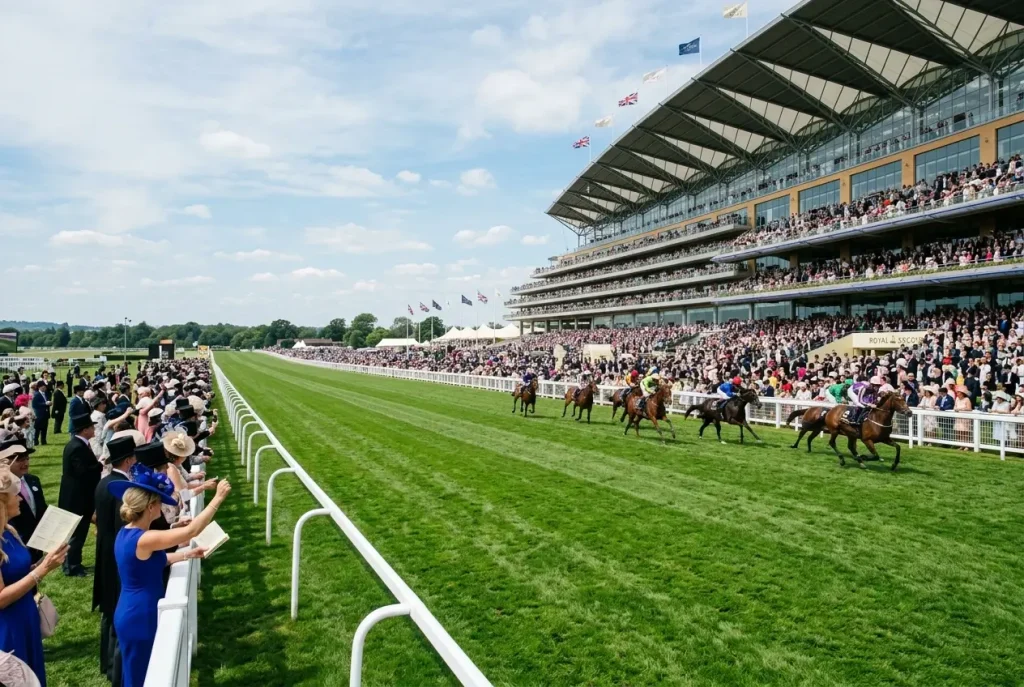
Quaddie Horse Racing: The Complete UK Guide to the Four-Leg Pool Bet
 Available in US
The Quaddie and Britain: A Terminology Problem Worth Solving
A "quaddie" is an Australian pari-mutuel bet that asks you to pick the winner of four nominated races at a single meeting — and it does not exist in Britain under that name. If you have been searching for where to place a quaddie with a UK bookmaker or Tote, you have already hit the first and most important piece of information this guide can give you: the product you are looking for goes by a different name here. The closest British equivalent in the Tote pools is the Quadpot, and the broader family of pool bets — Placepot, Jackpot, Scoop6, World Pool — is where the quaddie concept actually lives on UK racecourses.
I have spent eight years dissecting pari-mutuel pools on both sides of the world. In that time I have watched British punters discover Australian racing content, get excited about the quaddie concept, then spend an embarrassing amount of effort trying to locate a bet that simply is not labelled that way at their local Tote window. This guide exists to close that gap — to explain what a quaddie really is, map it onto the UK products that replicate its mechanics, and give you everything you need to actually use this bet type intelligently in a British context.
Throughout, I will anchor every key point to verifiable data rather than vague advice, because the biggest failure of existing quaddie content is that it drowns in generalities without ever giving you a number to test against reality.
The Four-Leg Bet in Brief: What Every UK Punter Needs to Know
- A quaddie (short for quadrella) is a pari-mutuel pool bet on four consecutive race winners, originating in Australia in 1978 — it does not exist in the UK under that name.
- The direct British equivalent is the Tote Quadpot (pick a placed runner in races 3—6) or the Pick 4 (pick a winner in those same legs); both operate through Tote pools with a minimum stake of just £2.
- Cost multiplies across four legs: three selections per leg gives 81 combinations and an £81 full-unit stake — but Flexi betting lets you take any percentage of that full dividend for a fraction of the price.
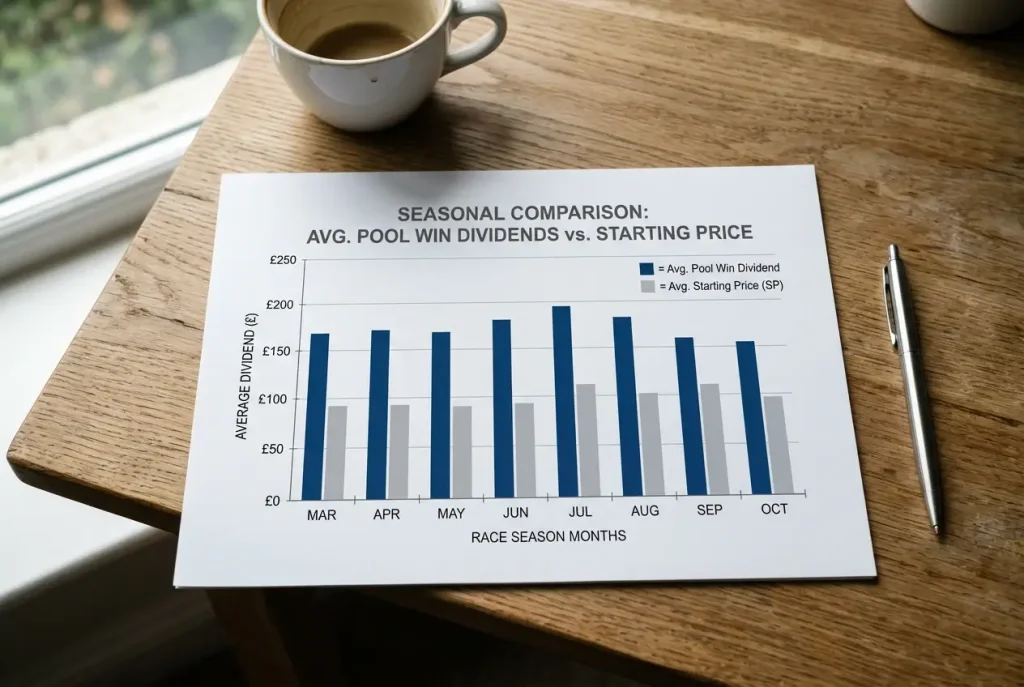
- On World Pool days at Royal Ascot 2025, Tote win bets paid on average £171.44 per £1 more than Starting Price — concrete proof that pool betting delivers real value over fixed odds on the right days.
- Melbourne Cup 2024's quaddie paid A$512,000; the UK Cheltenham Festival Placepot record stands at £182,568 to a £2 stake — the upside from pari-mutuel pools is genuine and measurable.
What Is a Quaddie in Horse Racing?
Every time I describe the quaddie to someone new, I watch the same lightbulb moment: it is not a single bet on a single race. It is a pool bet that links four races together, and you only win if all four legs land.
Quadrella (noun) — an Australian pari-mutuel wager requiring the punter to select the winner of each of four nominated races at a single meeting. Abbreviated colloquially to "quaddie". First recorded use: King Island/Tasmania News, 1978, according to the Oxford English Dictionary. The term is uniquely Australian in origin and dominates the vocabulary of thoroughbred pool betting across Australia and New Zealand.
The mechanics are straightforward. The race authority nominates four races at a meeting — often the last four — and opens a separate pool for that event. Punters buy tickets by nominating a horse in each of the four legs. When the last leg is settled, the net pool is divided among all tickets that held the winner of every single race. If nobody holds all four, the pool carries over to the next nominated meeting. If it terminates, a consolation dividend is declared to the nearest correct legs.
The defining characteristic that separates a quaddie from an accumulator is the pari-mutuel structure. You are not betting against the bookmaker at a fixed price. You are buying a share of a communal pool. The size of your return depends entirely on how many winning tickets exist — not on what odds were quoted when you clicked "confirm". A short-priced winner who attracted heavy backing will shrink the dividend; a 25-1 winner who nobody put in their quaddie will inflate it dramatically.
Cost is the first practical barrier most newcomers hit. Selections multiply across all four legs: three horses in every leg produces 81 separate combinations. That arithmetic is the same whether you are betting in Sydney or trying to replicate the concept at a Tote window in Newmarket — and understanding how to manage that cost with Flexi staking is what makes the bet accessible on any budget.
Quaddie vs quadrella: the two words describe the same bet. "Quadrella" is the formal name used by racing authorities and totalisators; "quaddie" is everyday punting slang. In UK pool-betting literature you will encounter neither term — the products are labelled differently entirely, which is covered in the next section.
Why There Is No "Quaddie" in Britain — and What to Look for Instead
The first time I tried explaining this to a colleague at a UK racecourse, I got a blank stare from the Tote staff. "Quaddie" is not a word that appears on a UK betting board, an app, or a racecard. This is not an oversight; it is a structural difference in how pool betting evolved on opposite sides of the planet.
British pool betting is run through the Tote — which has operated in the UK since 1928 — and its racecourse partnership, Britbet, which was established in 2018 and returns profits directly to racecourses. These operators sell a specific menu of named products, and that menu does not include the word quaddie. On any given race day at a UK track, the Tote offers six pool bet types: win, place, exacta, trifecta, Quadpot, and Placepot.
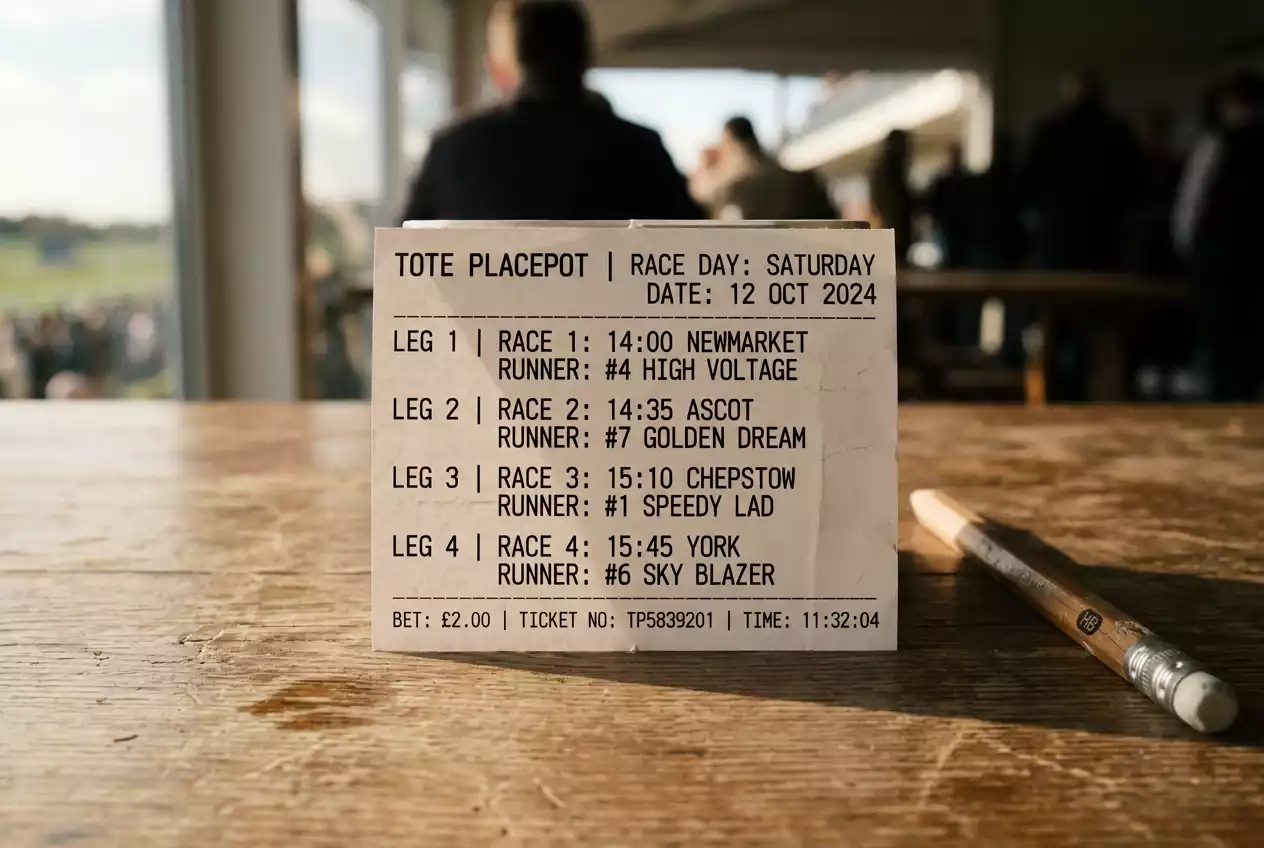
Quaddie is not the same as Quadpot. This is the single biggest misunderstanding I encounter from British punters who arrive at this topic via Australian racing content. A quaddie (quadrella) asks you to pick the winner of each of four races. A Tote Quadpot asks you to pick a placed runner in each of races 3, 4, 5 and 6 at the meeting. Different outcome requirement, different legs, different pool — do not conflate them or you will bet on completely the wrong product.
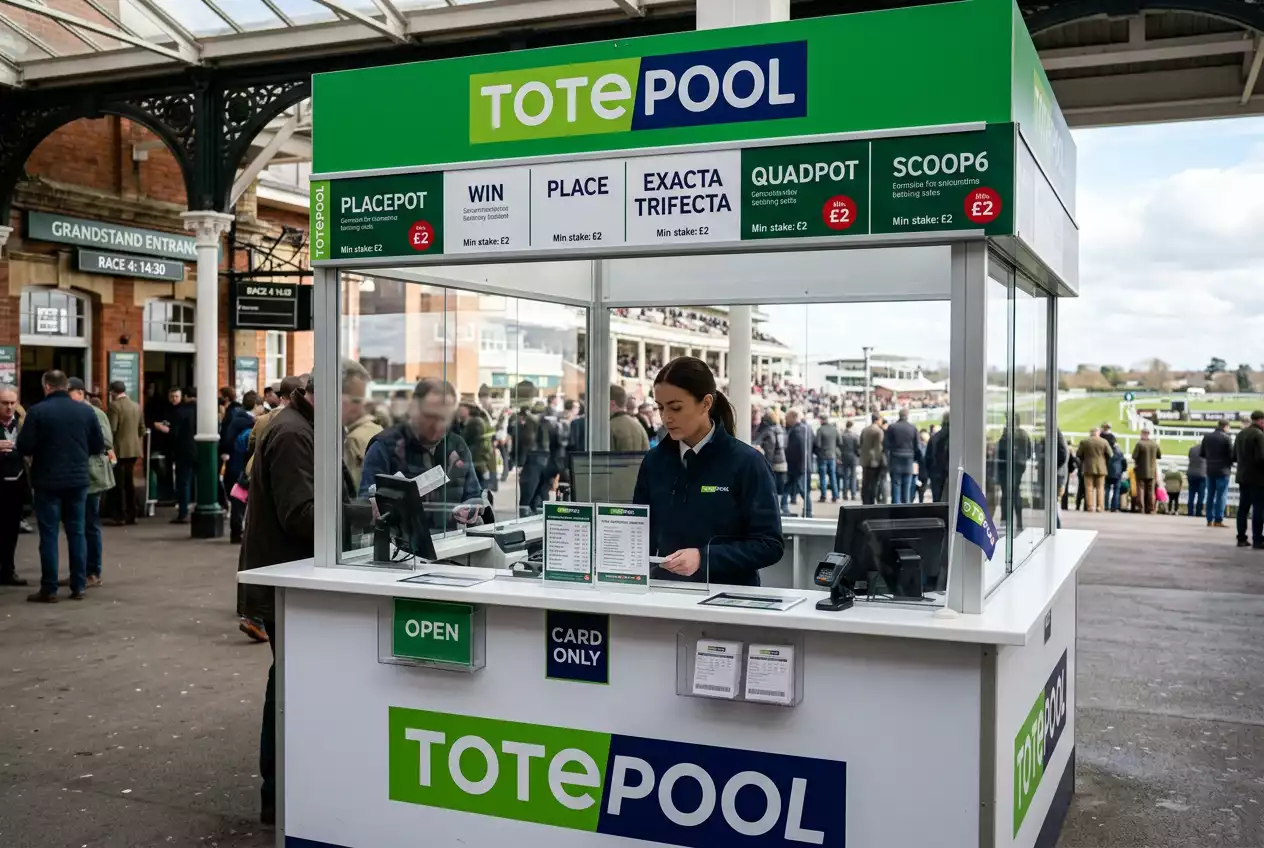
Here is the UK product map as it actually works in 2026:
The Quadpot is the "place" version of the four-leg concept. Pick a horse to be placed — not necessarily to win — in each of the four nominated races, usually races 3 through 6. Because "placed" is an easier outcome to achieve than "won", the Quadpot pays less per unit than a win-pool equivalent, but it is far more forgiving on competitive handicap cards where picking four winners is genuinely brutal.
The Pick 4 — available through certain Tote products — does require four winners in those same races, which is the mechanically closest UK equivalent to an Australian quaddie. The pool is separate from the Quadpot and typically smaller. I have seen British punters overlook the Pick 4 entirely because it is marketed less prominently than the Placepot.
The Placepot stretches across six races rather than four and requires a placed horse in each. It is the UK's most popular and heavily backed pool product, with guaranteed daily pools of £50,000 and pools that hit £1,000,000 at the Cheltenham Festival. For a punter coming from the quaddie concept, think of the Placepot as a longer, lower-variance cousin.
Understanding this terminology gap is not just semantic housekeeping. If you walk up to a Tote window and ask for a "quaddie", you will either be sold the wrong product or turned away confused. Knowing to ask for the Quadpot, Pick 4, or Placepot is the practical translation that gets you into the right pool.
Want the full breakdown of which UK product maps to which Australian concept? The dedicated comparison is covered in the UK quaddie equivalent guide.
How a Quaddie Actually Works, Leg by Leg
Strip away the jargon and the quaddie is an exercise in chained probability. You are not just picking one race — you are building a ticket where every single leg must succeed before a penny changes hands. That sounds obvious, but the implications for how you think about structure and cost are significant.
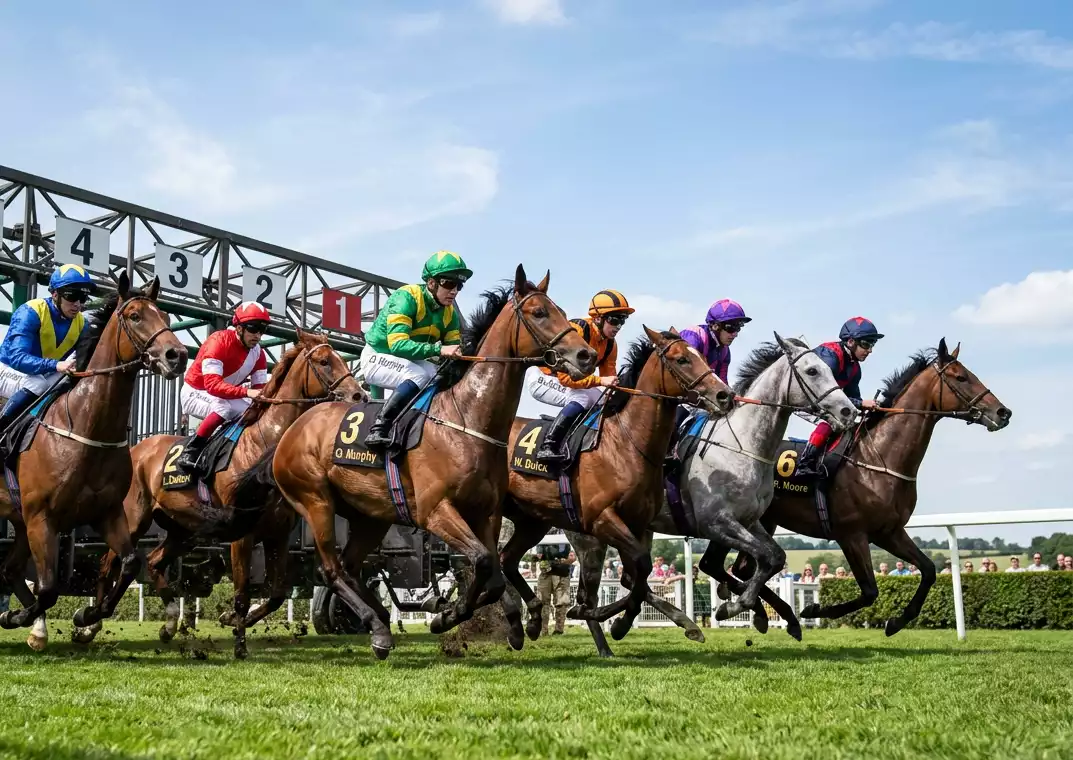
A meeting's race card will designate four specific races as the quaddie legs. These are almost always the last four races on the card — traditionally races 5, 6, 7 and 8 at an eight-race meeting, for example. Some meetings run an "early quaddie" covering the first four races in a separate pool, which is entirely distinct. The pools never mix.
Once nominations are announced, you select one or more horses in each leg. Your ticket covers every unique combination of those selections. Pick one horse in leg 1, two in leg 2, one in leg 3 and three in leg 4: that is 1 x 2 x 1 x 3 = 6 combinations, and your stake is 6 x the unit stake.
When each race is run, winning tickets must hold the actual winner in that leg. A placed horse is irrelevant — only winning matters. If your selection is a non-runner, different operators handle this differently: some will substitute the race favourite, others will void that leg and pay on the remaining three. In UK pool betting, the rules for non-runners and abandonments are governed by the pool operator and will be specified in their terms — worth checking before a big festival card where late withdrawals are common.
After the fourth race, the operator tallies all winning tickets (those holding the winner in every leg), deducts the takeout percentage from the gross pool, and divides the net pool equally among the winning units. The result is the declared dividend "to a £1 unit" or "to a $1 unit". Multiply that number by your number of winning units and flexi percentage, and that is your payout.
The most important thing to understand about pool dividends: they are unknowable before the last race is run. The will-pay figures you see on the Tote board during the meeting are approximations based on current pool composition. The final dividend is set after the last leg settles and can differ substantially — up or down — from any mid-race estimate. Never plan your exit from a bet based on a will-pay; the real number is only confirmed when the pool closes.
Working Out Quaddie Cost and Flexi Betting
Here is where people start doing arithmetic on the back of a racecard and either panic or get it wrong. The cost of a quaddie is not mysterious — it is multiplication — but the interaction with Flexi staking is what makes the bet genuinely flexible for punters on any budget.
Basic cost calculation
The formula: selections in leg 1 x selections in leg 2 x selections in leg 3 x selections in leg 4 = total combinations.
Each combination costs one unit stake.
Example: you pick 3 horses in leg 1, 3 in leg 2, 3 in leg 3, 3 in leg 4.
3 x 3 x 3 x 3 = 81 combinations.
At £1 per unit (standard Tote minimum): £81 total stake for a full unit.
At £2 minimum (Tote standard): £162 for a full unit on those 81 combinations.
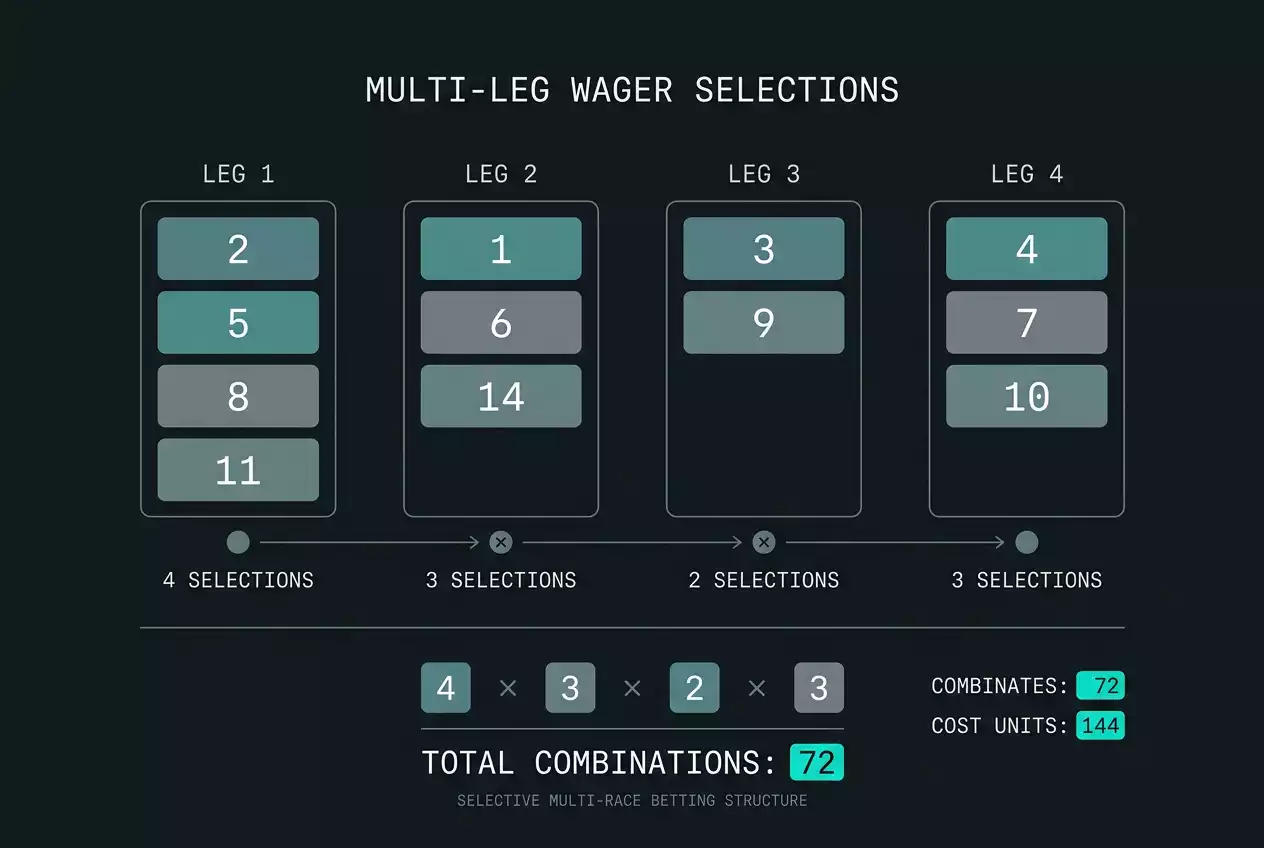
That £162 figure stops a lot of punters dead. But this is exactly where Flexi betting transforms the economics of the quaddie concept.
Flexi betting means you buy a percentage of a full unit rather than the full unit itself. Instead of paying £162 for 100% of the dividend on 81 combinations, you might pay £16.20 for 10%. If your ticket wins and the declared dividend is £4,000 to a full unit, your return is £400 — plus your stake back on the winning percentage.
Flexi example in practice
81-combination ticket, full unit cost: £162
Flexi 20% stake: £162 x 20% = £32.40
Declared dividend (if you win): £4,000 to a £1 full unit
Your return: £4,000 x 20% = £800
Profit: £800 minus £32.40 = £767.60
The Flexi mechanism is available in Australian pool betting and is effectively replicated in how you can structure permutated Tote bets in the UK. It lets you cover a wide range of selections without committing to the full cost of every combination at the maximum unit. The tradeoff is always the same: wider coverage costs less per ticket but returns a smaller fraction of the declared dividend.
There is no "right" Flexi percentage. I have seen experienced punters take 5% on wide coverage tickets as a lottery-style punt on a big field, and 100% full units on tight two-selection legs where they want every penny of a confident play. The correct percentage is the one that fits your bank and your conviction level simultaneously.
For a complete step-by-step breakdown with multiple worked examples across different leg structures and budget sizes, see the dedicated guide to calculating a quaddie.
FourCast Original Tool
The Four-Leg Ledger
Most calculators stop at the cost of the ticket. This one prices the ticket: how much of each leg you actually cover at market prices, the dividend you need just to get your stake back, and how far ahead of the crowd your four judgements have to be before a pool bet stops being a donation to the takeout.
Your four legs
Budget and pool
The ledger
Leg 1 is your weak link at 33.9% coverage. Adding one more selection there takes the ticket to 72 combinations (£72 full unit) and about 1 in 25.
Method. Leg coverage is the summed implied probability of your selections, de-vigged against a 118% book. Dividends are quoted to a £1 unit; the Tote minimum total stake is £2. The modelled dividend assumes the pool is bet in line with market prices — the real figure moves with the crowd and is only fixed once the last leg settles. The edge threshold is the margin over market probability, per leg, that four judgements must average before the takeout is covered. Estimates for study only, not a prediction. 18+ — please gamble responsibly.
Where to Place a Pool Bet in the UK
Getting the bet on should be the easy part, yet it is the step where most first-timers fumble. Let me give you the practical map.
In the UK, Tote pool bets are accepted online through the Tote website and app, as well as at the racecourse itself through dedicated Tote windows. The minimum stake is £2, accepted by cash or card at every licensed racecourse in Britain. The same £2 threshold applies online. That is the floor for any single pool product — Win, Place, Quadpot, Placepot, Jackpot, or Scoop6.
Before You Place: UK Pool Bet Checklist
- Confirm which races are designated as the pool legs for today's meeting (usually shown in the racecard and on the Tote app).
- Check whether it is a Quadpot (placed horses), Pick 4 (winners), or Placepot (placed, six legs) — and choose the product that matches your intention.
- Calculate your combinations and decide your Flexi percentage before opening the betslip — do not work it out under pressure at the window.
- Verify the race start time for the first leg: all selections must be placed before that race goes off. Late bets on already-started races are void.
- On World Pool days (flagged in the racecard at major festivals), check the approximate pool size — larger pools mean more stable dividends.
- Keep your ticket or screenshot your betslip confirmation. Pool dividends are settled after the last leg and paid automatically to your account — but having the record matters if there is a query.
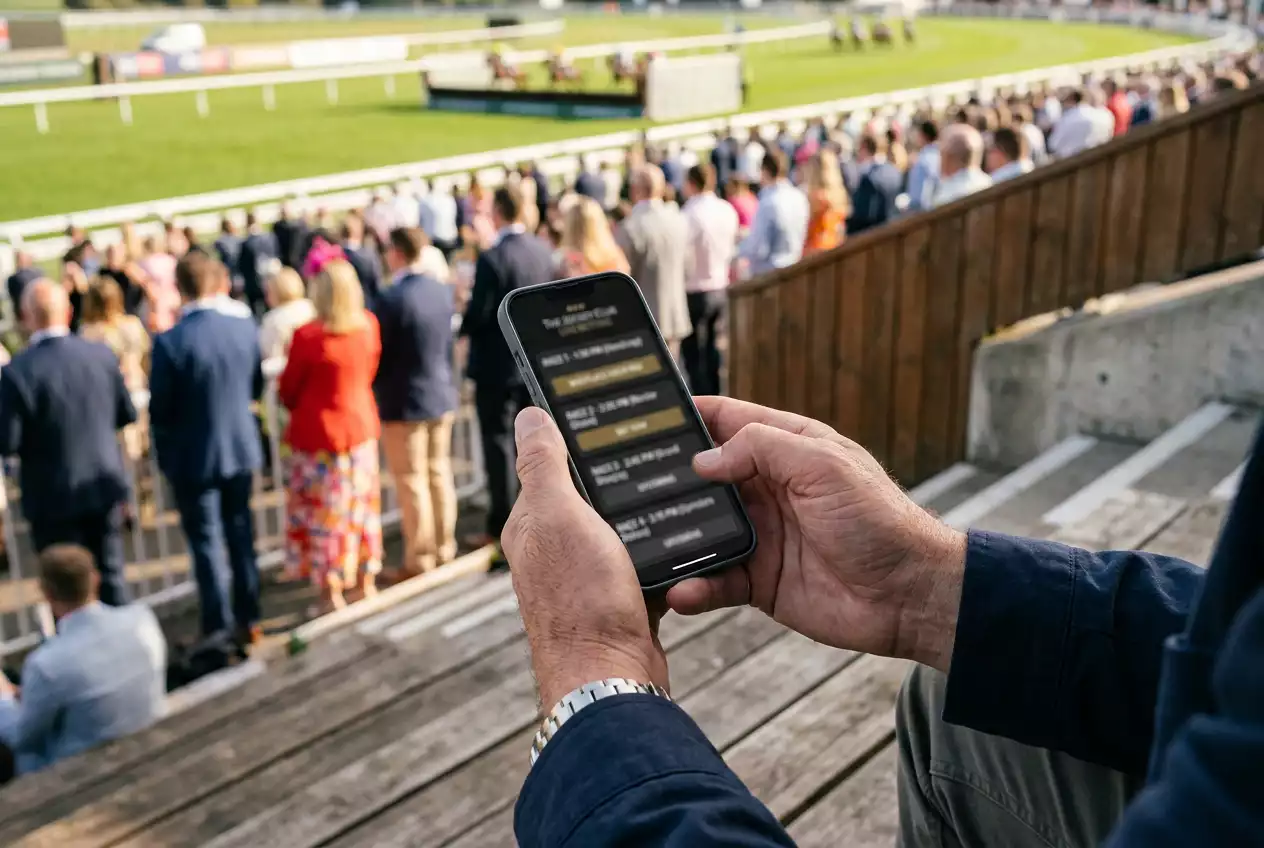
A note on the operator landscape: Britbet, the racecourse-owned pool partnership established in 2018, runs the on-course pool infrastructure at its member racecourses. The Tote handles online and app-based pool wagering and is the dominant brand punters interact with. The two work in tandem — Britbet pools and Tote pools are commingled so that on-course cash from the racecourse and online bets from the app feed the same declared dividend. What you bet at the Tote window at Ascot and what you bet from your sofa go into the same pot.
The Tote has operated pool betting in the UK since 1928 — it is not a recent arrival and its pool products are a legitimate, regulated product line. On Quadpot and Placepot specifically, you are betting into pools that aggregate bets from every participating racecourse that day, not just the single meeting you are focused on.
One practical distinction worth knowing: not every meeting runs every pool product. Major festivals (Cheltenham, Royal Ascot, Epsom, Aintree) run full menus with guaranteed pool floors. Some smaller all-weather midweek cards may not offer a Quadpot if the field sizes or race count do not support it. Check before you travel to the track or open the app expecting a specific product.
Quaddie Strategy: The Basics of Anchoring and Spreading
Most quaddie advice I have read online boils down to "study the form" — which is about as useful as telling someone to "buy low, sell high". The actual strategic question in quaddie betting is not how to pick winners; it is how to allocate your budget across four legs when you cannot be equally confident in all of them.
Do
- Identify your strongest leg — the race where you are most confident — and limit it to one or two selections (your "banker"). This frees up budget to spread wider on the harder legs.
- Use multiple selections in the legs where the race is genuinely open: three or four runners in a competitive handicap is often correct, not greedy.
- Calculate total combinations and cost before finalising your ticket. Know your spend before you commit, not after.
- Take a Flexi percentage that keeps your total stake proportionate to your bank. A £50 budget on an 81-combination ticket means roughly 61% Flexi — still a meaningful slice of the dividend.
- Look for "value legs" — races where the pool has underweighted a genuine contender. In pari-mutuel betting, if everyone is on the same horse, the dividend is suppressed. Correct assessments that differ from the crowd get disproportionate rewards.
Do not
- Box every favourite in every leg. If four short-priced horses all win, every well-constructed ticket in the pool will share the dividend — your return may barely cover your stake.
- Ignore the cost implications of adding one more selection. Going from 3 to 4 selections in a single leg adds 33% to your combinations and cost overnight.
- Chase the biggest possible dividend by including extreme longshots in every leg. One wild leg in a competitive race is strategic; four is reckless and expensive coverage of improbable outcomes.
- Forget that your stake goes in regardless. A £160 full-unit quaddie ticket where all four legs lose is £160 gone. Flexi discipline is the difference between sustainable pool betting and a single bruising day.
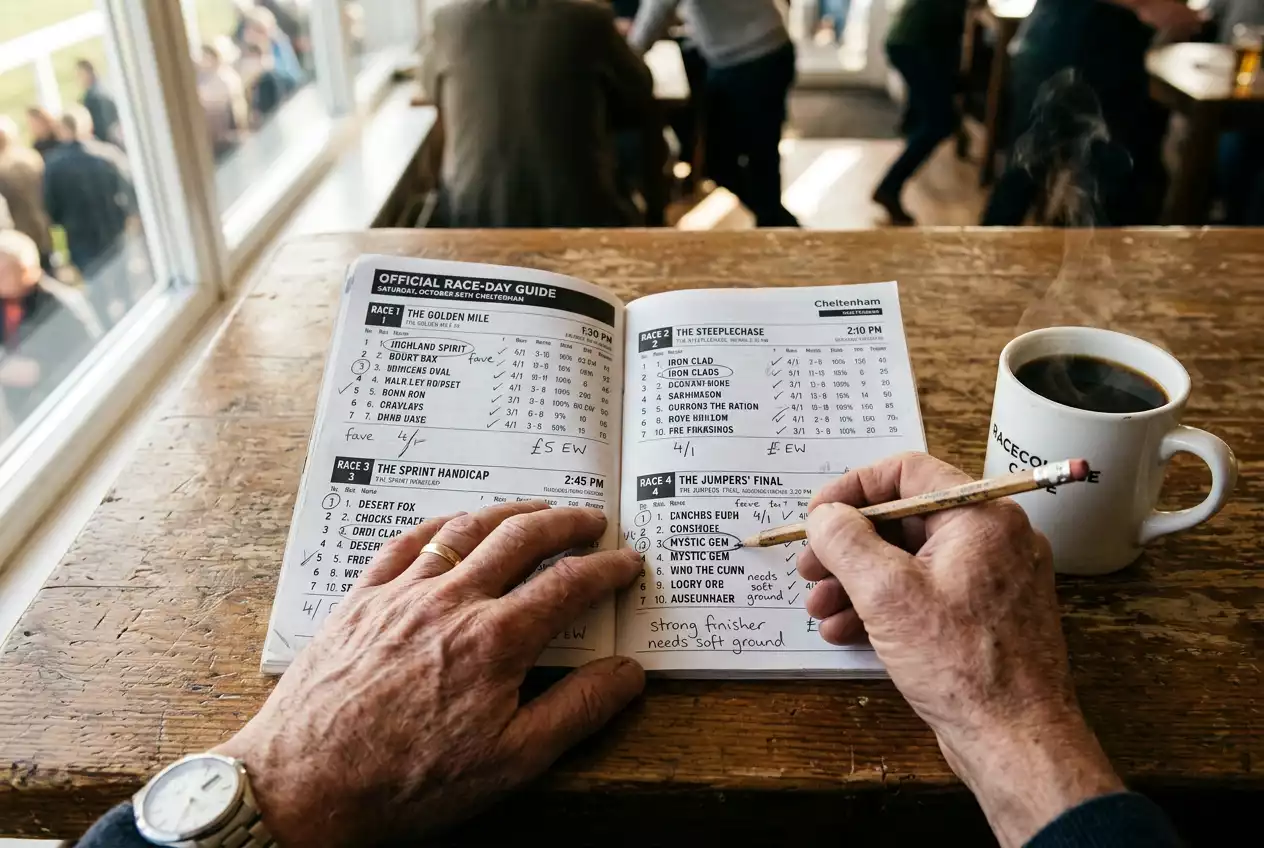
The concept of the "anchor" or "banker" leg is the most important structural idea in quaddie building. When I have a race on the card where I am genuinely confident in a single horse — a dominant form figure, a strong market move, a jockey booking that makes sense — I will put just that one selection in that leg. That gives me maximum combination efficiency across the other three legs. A 1 x 3 x 3 x 4 ticket costs 36 combinations rather than 81. Same four races, half the price.
The dangerous version of this is banking a leg out of laziness rather than conviction. Restricting leg 3 to one horse because you cannot be bothered to analyse the race is not strategy — it is a coin flip you have disguised as a plan. Only bank a leg when the evidence genuinely supports it.
For a full tactical breakdown of how to structure legs, pick value races, and manage coverage versus cost across different race types, the quaddie strategy guide goes into considerably more depth.
The Quaddie Concept Across the UK Tote Pool Range
If you can picture the quaddie as a "four-leg win bet in a shared pool", you already have the mental model to understand the whole UK Tote product range — because each product is essentially a variation on that same structure, tweaked by two variables: how many legs, and whether you need winners or placed horses.
| Product | Legs | Requirement | Typical meeting scope |
|---|---|---|---|
| Quadpot | 4 (races 3—6) | Placed in each | All licensed UK meetings |
| Pick 4 | 4 (races 3—6) | Winner in each | Selected meetings |
| Placepot | 6 (races 1—6) | Placed in each | All licensed UK meetings |
| Jackpot | Nominated races | Winner in each | Selected meetings |
| Scoop6 | 6 (Saturday TV races) | Winner in each | Saturdays only |
The Placepot deserves special attention because it is by far the most popular pool product in the UK and the one most casual punters have at least heard of. It asks you to find a placed horse — not a winner — in each of the first six races at the meeting. Guaranteed daily pools stand at £50,000, rising to £1,000,000 on each of the four days of the Cheltenham Festival. If you are new to UK pool betting and want to start somewhere familiar and liquid, the Placepot is where most people begin.
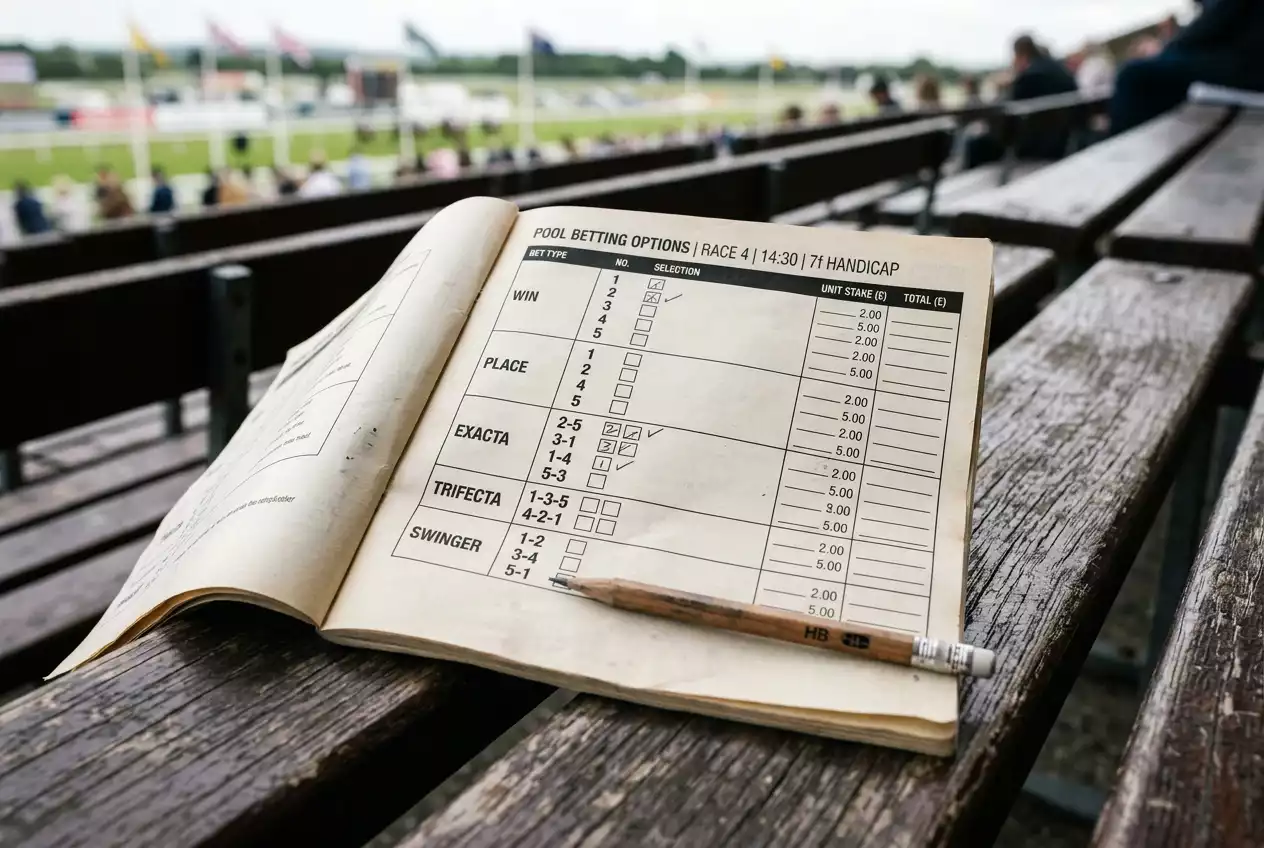
Jon Knapman, the International Chief Commercial Officer at Tote, has described the World Pool product as "a truly global betting event with fantastic value" — and that language captures something real about how UK pool betting has evolved. The pools are no longer just domestic aggregations; they are international commingling events that draw liquidity from across the globe on major race days.
The Quadpot — to return to the closest practical equivalent of a four-leg pool bet in the UK — runs at every licensed meeting and forms a genuine alternative for British punters who want the quaddie structure without the all-or-nothing difficulty of picking four winners. I find the Quadpot particularly useful on festival cards where the races are stacked with quality horses and upsets are frequent. Needing a placed horse rather than the winner gives you a meaningful second chance in every leg.
For a complete side-by-side comparison of the quaddie versus the Quadpot and all their structural differences, the quaddie vs Quadpot guide covers every angle of that distinction.
Quaddie Dividends and What the Payouts Actually Look Like
Numbers make the quaddie concept real in a way that no amount of description can. Let me put some figures on the table — not hypothetical ones, but actual declared dividends from real races.
Melbourne Cup 2024 Quaddie
Winners: Knight's Choice ($63), Catoggio ($35), Fancify ($6.30), Bel Air ($12.40)
Declared dividend: A$512,000 to a full unit
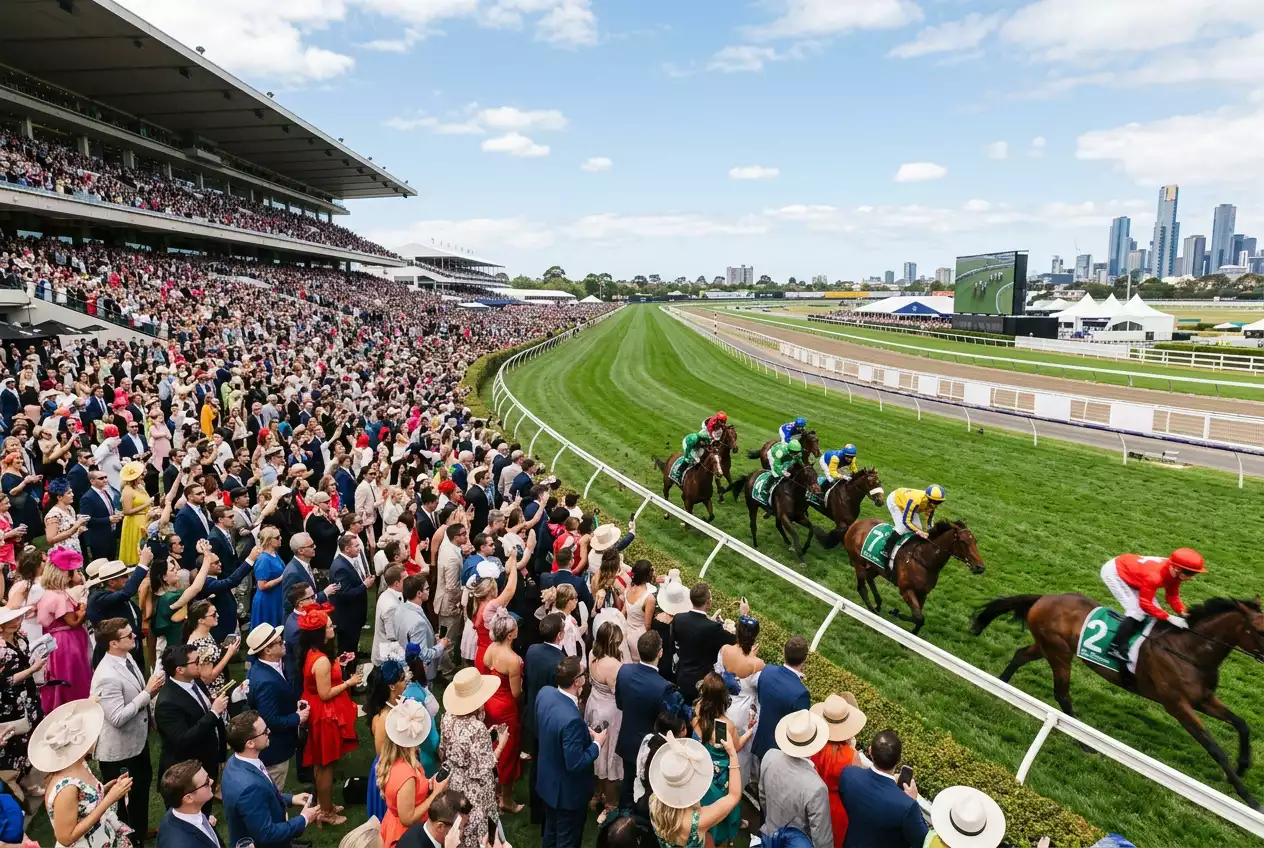
Cheltenham Festival 2019 Placepot Record
The largest Placepot dividend in festival history
Declared dividend: £182,568 to a £2 stake
Royal Ascot 2025 Placepot
Biggest UK Placepot dividend of 2025
Declared dividend: £26,424.30 to a unit stake
What produced a half-million-dollar dividend at Flemington in November 2024? Four winners who all drifted to significant prices — Knight's Choice at $63 was the centrepiece. When a long-priced winner takes a leg, the number of tickets holding it collapses, and the same pool is divided among far fewer winners. The pari-mutuel structure pays outsized returns on correct calls that the market did not expect — which is something a fixed-odds bet can never fully replicate once the bookmaker has cut the prices short.
The Melbourne Cup 2024 quaddie paid A$512,000. On the same day, the First 4 (picking the first four home) paid A$728,000 — and one punter converted a $100 stake into A$3,200,000 via a fixed-odds multi that combined those four horses. Pari-mutuel pool dividends can be extraordinary, but multi-leg combination products sometimes produce the single biggest single-ticket payouts on the same card.
The Cheltenham record — £182,568 to a £2 Placepot stake — illustrates something worth understanding about British pool betting specifically. The Placepot is a six-leg placed-horse bet, not a four-leg winner bet, but the dividend mechanics are identical. When a festival card produces six underdogs who all scrape into a place, the pool has almost no surviving tickets and the declared dividend becomes extraordinary.
Five-year averages anchor expectations better than outlier records. The average Placepot dividend at Cheltenham over five years is approximately £2,361 to a unit stake — itself a substantial multiple on a £2 investment, but a far cry from the 2019 record. On a typical mid-week all-weather card, the Placepot dividend tends to be in the low hundreds. The range is enormous, which is both the appeal and the honest reality of pool betting.
For the full record of the biggest quaddie payouts across Australia and the UK, including analysis of why specific races produced record dividends, the biggest quaddie payouts guide goes through the history in detail.
The World Pool Edge: Why Global Commingling Changes the Value Proposition
When Royal Ascot comes around each June, something happens to British pool betting that the rest of the flat season does not deliver. The Tote's UK pools on Ascot race days are commingled with pools from the Hong Kong Jockey Club and 26 other jurisdictions worldwide — creating a single global pool that dwarfs anything a domestic Tote card ordinarily generates. That global pool is called World Pool, and its scale has real implications for dividends.
World Pool total turnover 2025
HK$10.9 billion — a record for the programme since its 2019 launch
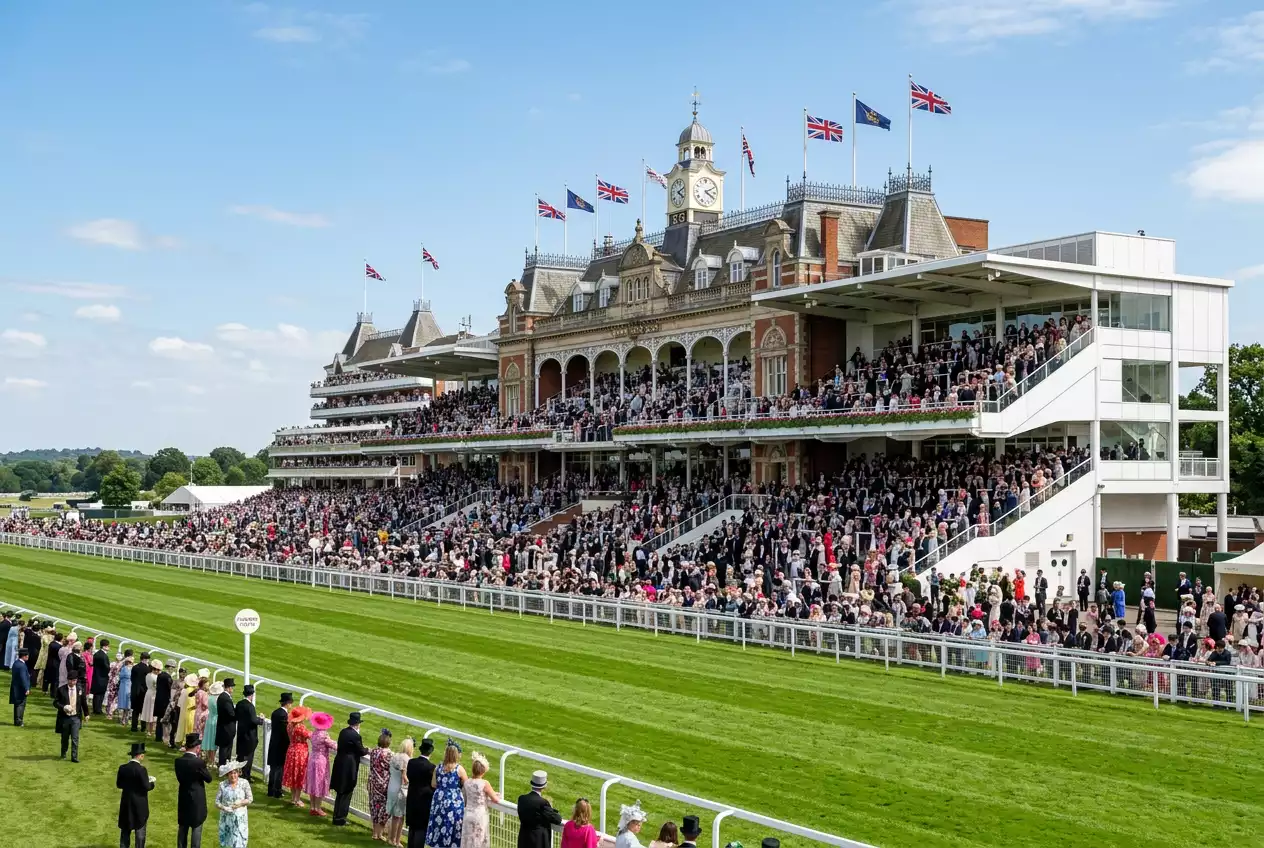
Royal Ascot 2025 World Pool handle
HK$1,574.4 million (approximately £150 million) — up 10% on 2024
Tote vs Starting Price in 2025 World Pool days
A £1 win bet on every winner across British and Irish World Pool days paid £171.44 more than the equivalent SP bet — cumulatively across the season
Tote Exacta vs Forecast
Tote Exacta beat the industry Forecast in 73% of races, paying an average of 30% more
Andrew Harding, Executive Director of Racing at the Hong Kong Jockey Club, described 2025 as "a very positive year for World Pool" — an understatement when you look at the numbers. The programme covered 329 races across 10 jurisdictions, with 70 of those races ranked among the IFHA Top 100 in recent years. This is no longer a niche product for specialist bettors; it is the infrastructure of international racing's pool ecosystem.
What does this mean practically for a British punter trying to replicate the quaddie concept? It means that on World Pool days at Ascot, Epsom, and other designated UK meetings, the pool you are betting into is far deeper and more liquid than on an ordinary racing Saturday. Deeper pools produce more stable dividends — fewer wild swings in the will-pays as bets flood in. They also tend to mean the dividend holds up better when a favourite wins, because the sheer volume of money from 27 jurisdictions smooths out the effect of domestic consensus.
The £65 million that World Pool has contributed to UK and Irish racing since its 2019 launch is not irrelevant context for a pool punter either. That money flows back into the sport, supporting prize money and the race programmes that create the very cards you are betting on. Pool betting and the health of racing's prize fund are directly connected in a way that fixed-odds bookmaker margins are not.
The Scale of British Racing and Why Pool Betting Sits at Its Centre
It is easy to treat pool betting as a niche product floating on the margins of British racing. The numbers say otherwise.
British horseracing economic contribution
£4.1 billion per year to the UK economy, supporting approximately 85,000 jobs

UK racing prize money 2024
£188,032,620 in total prize money across the year — with racecourse contributions exceeding £100 million for the first time
Racing's betting market GGY
Horseracing generated £771.1 million in gross gambling yield from remote betting in the 2023—24 financial year, second only to football among sports
David Armstrong, Chief Executive of the Racecourse Association, noted the significance of the 2024 prize money figures: the fact that racecourse contributions broke £100 million for the first time marks a structural shift in how British racing funds itself. Pool betting — through Britbet's return of profits to member racecourses — is part of that funding mechanism.
For the punter, this context matters because it explains why pool products are a permanent and protected part of the British betting landscape. The Tote's pools are not a promotional feature that might disappear next season. They are a structural component of UK racing's financial model, with a regulatory history stretching back to 1928 and a prize-fund connection that keeps the industry invested in their continuation.
That stability is relevant when you are deciding whether pool betting deserves serious attention as a regular format rather than an occasional novelty. The infrastructure is deep, the products are standardised, and the commingling through World Pool is growing every year. The conditions that make quaddie-style pool betting worthwhile in Australia — liquid pools, meaningful dividends, transparent distribution — are increasingly present in the UK equivalent products.
From Australian Slang to Your Tote Betslip
The quaddie's journey — from a Tasmanian racing slip in 1978 to a concept now searched by British punters trying to find its UK equivalent — is a small case study in how betting terminology travels faster than betting products do. The idea is sound, the mechanics are elegant, and the pari-mutuel structure genuinely rewards informed punters who can assess four races better than the crowd does.
In the UK in 2026, that bet lives inside the Tote pools under different names. Quadpot, Pick 4, Placepot — these are the containers that hold the same core idea. World Pool days at Ascot and other designated meetings now mean that betting into those containers puts your stake alongside money from 27 jurisdictions, producing dividends and value metrics that have demonstrably outpaced Starting Price on the right days.
The learning curve is genuinely short. Once you understand that cost is multiplication, that Flexi decouples coverage from full-unit commitment, and that the UK product map is simply a different vocabulary for the same concept — the quaddie is approachable for any punter who already understands fixed-odds racing betting. The numbers involved are real, the products are regulated, and the dividends — when they land — are among the most remarkable in any betting format.
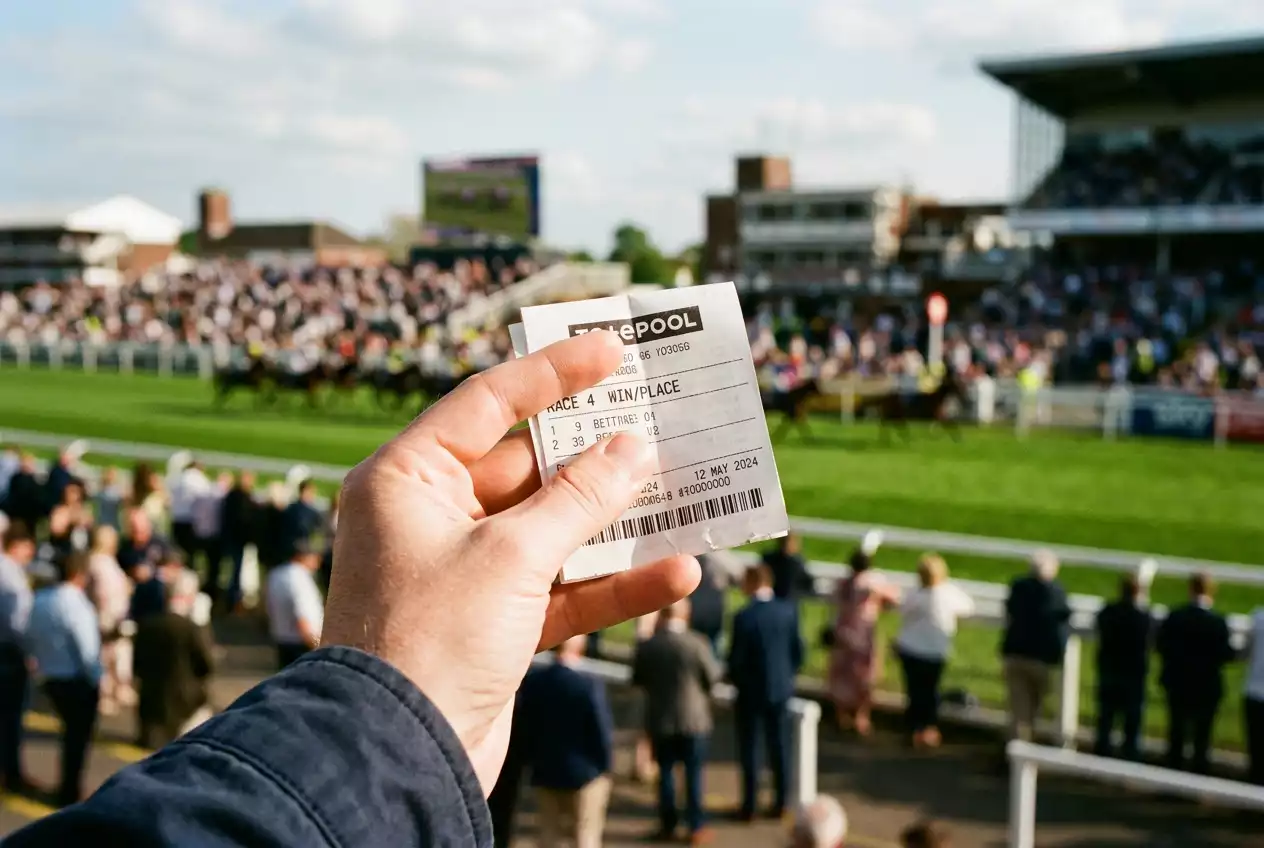
The quaddie does not exist in Britain by name, but the mechanics do. Find it at the Tote under Quadpot or Pick 4, use Flexi to control your cost, and treat World Pool race days as the highest-value pool betting events on the UK calendar.
With the mechanics, products, and commercial landscape understood, the final section answers the specific questions that come up most frequently from punters encountering the quaddie concept for the first time.
Quaddie FAQ
What is a quaddie in horse racing?
A quaddie — short for quadrella — is a pari-mutuel pool bet that requires you to select the winner of each of four nominated races at a single meeting. All four legs must be correct for the bet to pay out. The term is Australian in origin (first recorded in 1978) and the bet is standard across Australian thoroughbred meetings. In the UK, the equivalent concept exists under different product names — primarily the Tote Quadpot (placed horses in races 3—6) and Pick 4 (winners in those same legs).
Is there a quaddie in the UK, and what is it called?
Not by that name. Britain does not sell a pool bet labelled "quaddie". The closest equivalent is the Tote Quadpot, which covers four races (3, 4, 5 and 6 at the meeting) and requires a placed horse — not a winner — in each leg. For a four-leg winner requirement, the Pick 4 product is the match. Both are offered through the Tote pools. If you walk up to a UK Tote window and ask for a "quaddie", you are likely to be offered the Quadpot — but it is worth confirming you are on the right product before placing.
How is a quaddie cost worked out?
Multiply the number of selections in each leg together. Three horses per leg across four legs: 3 x 3 x 3 x 3 = 81 combinations. Each combination costs one unit stake. At the Tote standard minimum of £2 per unit, 81 combinations cost £162 for a full unit. Flexi betting lets you take a percentage of that full unit — for example, 12.5% Flexi on 81 combinations costs £162 x 12.5% = £20.25. If the dividend is £2,000 to a full unit and your ticket wins, you collect £2,000 x 12.5% = £250.
What is a Flexi quaddie?
A Flexi quaddie means you are purchasing a fraction of a full unit rather than the whole unit. If a full-unit ticket on your selections costs £100, taking 20% Flexi means you pay £20 and receive 20% of any declared dividend. The Flexi mechanism lets punters cover more horses across the legs without paying the full cost of every combination at maximum unit. It is the standard way experienced pool punters manage their staking on wide-coverage tickets.
How much can you win on a quaddie?
The range is enormous. A routine midweek card where favourites dominate might pay a low three-figure dividend. A festival card with several long-priced winners can produce payouts in the tens or hundreds of thousands. The Melbourne Cup 2024 quaddie paid A$512,000 to a full unit after four unexpected winners. The UK Cheltenham Festival Placepot record (a six-leg placed equivalent) stands at £182,568 to a £2 stake. There is no theoretical cap — the dividend is determined by dividing the net pool by the number of winning tickets, and if very few tickets survive to the last leg, the payout can be extraordinary.
What is the difference between a quaddie and a Placepot?
Three main differences. First, outcome: a quaddie requires the winner of each race; a Placepot requires a placed horse (usually top 2—4 depending on field size). Second, number of legs: a quaddie covers four races; a Placepot covers six. Third, geography: a quaddie is an Australian product; the Placepot is a UK Tote product. The Placepot is easier to land — placed horses come in more often than winners — so its dividend per unit tends to be lower, though the record payout of £182,568 demonstrates that even "easier" six-leg pool bets can pay enormous dividends when conditions align.
Do you have to pick the winners, or just placed horses?
It depends on the specific product. A quaddie (Australian) requires four winners — placed horses do not count. The UK Tote Quadpot requires placed horses in races 3—6 — winners count as placed, but a horse that finishes second, third or fourth (depending on field size and place terms) will also keep your ticket alive. The UK Placepot similarly requires placed horses in six races. If you want to replicate the strict "four winners" requirement of an Australian quaddie in the UK, the Pick 4 product is the match. For more forgiving "placed" coverage, use the Quadpot.
Related posts

Quaddie Tips: How to Read, Judge and Use Daily Selections
Pool Betting vs Fixed Odds: Where the Value Evidence Points