Quaddie Tips: How to Read, Judge and Use Daily Selections
 Available in US
The tip sheet that tells you everything except what to actually do
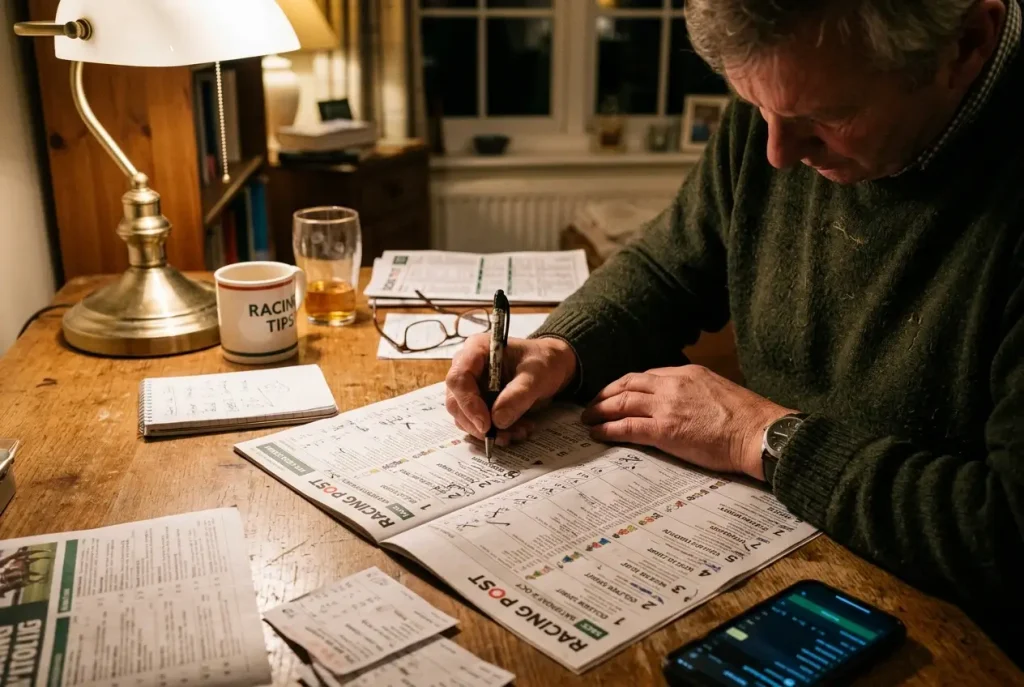
I once spent twenty minutes reading a quaddie tips column in an Australian racing publication before realising it contained no useful structural information whatsoever. Four horses were named. The writer’s reasoning for each selection was approximately “good form, should go well.” No mention of how many runners were in each leg, what the cost would be, whether any of the four selections were in the same race, or what a punter was supposed to do if they disagreed with one of the picks. Four names and a vague endorsement — that’s not a tip, it’s a list. The full picture is in our complete guide to quaddie betting.
Good quaddie tips are structurally explicit. They don’t just name selections; they tell you how many legs have been covered, which legs are anchored to a single horse and which are spread across multiple runners, and what the resulting ticket cost is at a standard unit stake. A quaddie is a four-dimensional puzzle — leg by leg, combination by combination — and a tip that ignores that structure is not much use to anyone trying to decide whether to follow it.
What a genuinely useful quaddie tip includes
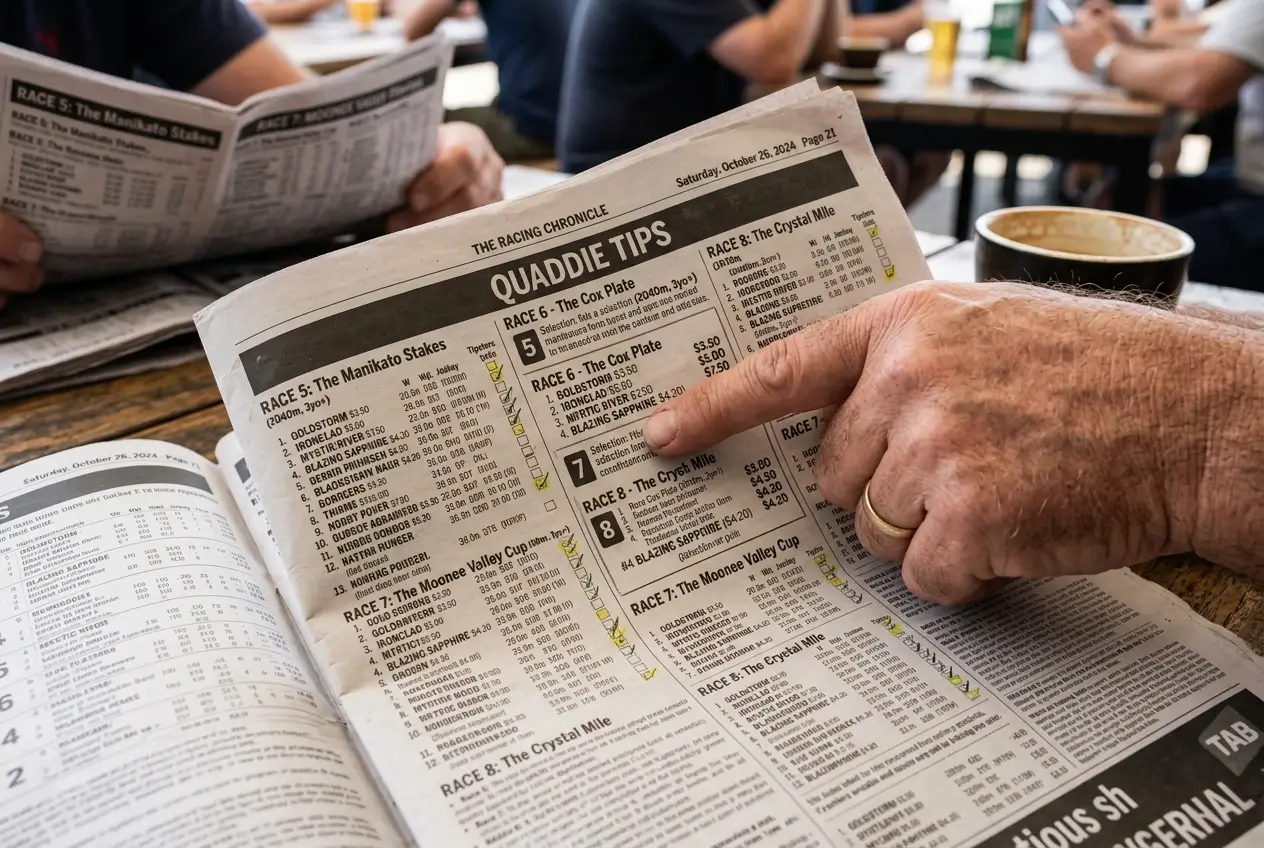
Let me be specific about what separates a tip worth reading from one that’s effectively filler. The minimum useful information is: the four nominated legs (which races), the selections per leg (and how many per leg), and the resulting number of combinations. That last figure matters because it directly determines your cost. A quaddie with one selection in each leg is 1x1x1x1 = 1 combination, which is cheap and fragile — one wrong result ends it. A quaddie with three selections in each leg is 3x3x3x3 = 81 combinations, which is expensive but robust.
A genuinely useful tip goes further. It tells you which legs the tipster is confident about (likely to be anchored — one selection only) and which legs they’re spreading across multiple runners because the form is genuinely open. That distinction is the real content of a quaddie tip. If a tipster names three horses in leg 2 but takes a single banker in leg 3, they’re communicating something specific about their confidence levels. A list of four single selections communicates nothing except overconfidence or laziness.
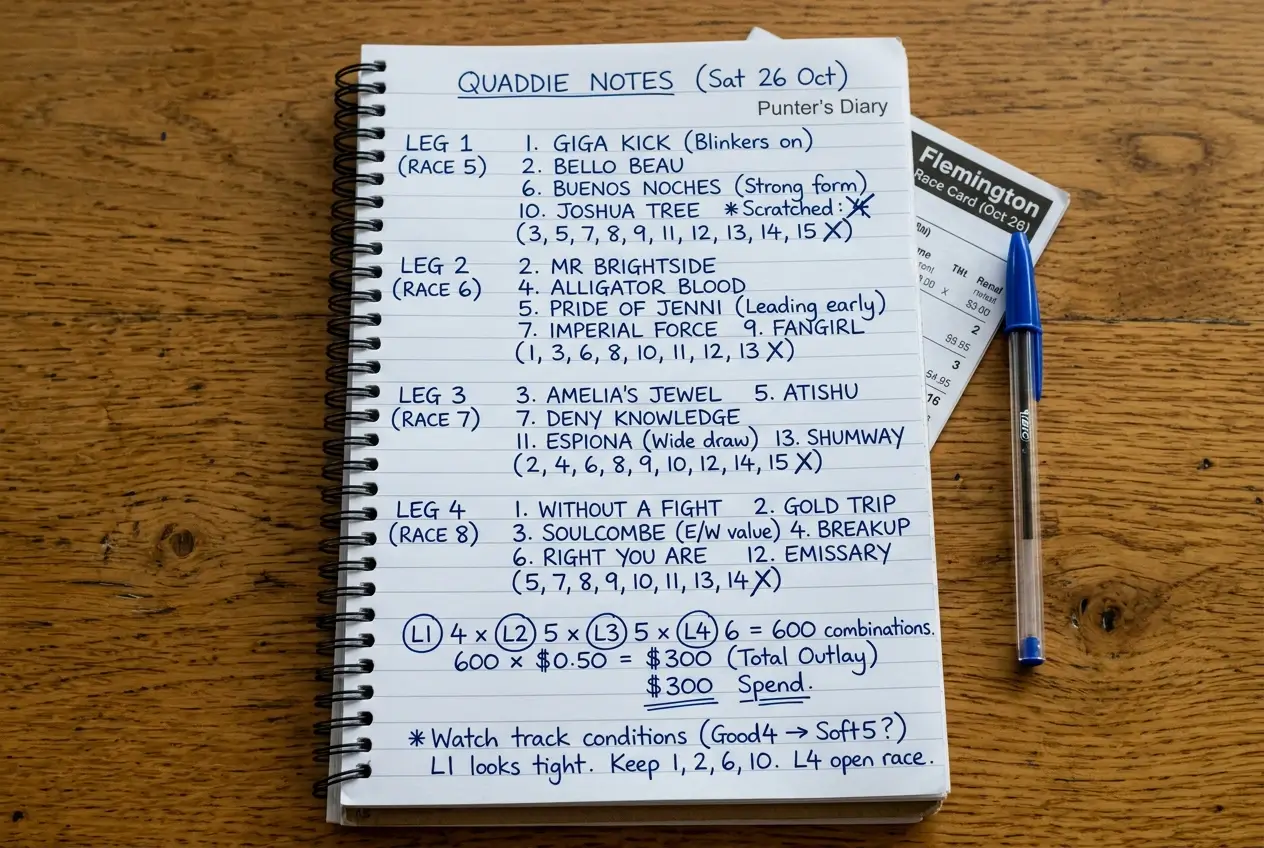
Flexi betting percentage is another marker of a tip’s sophistication. A standard quaddie at a full unit stake might cost $81 for 81 combinations. That’s not a trivial outlay. A serious tip should acknowledge whether the coverage structure is designed to be followed at full unit or whether the tipster expects the reader to take a flexi percentage — say, 50% — to reduce the cost while maintaining the same combination structure. If the tip assumes a $5 outlay but the structure actually costs $81 at full unit, there’s a gap that the reader needs to fill in themselves.
One useful data point: a strong quaddie dividend depends on a meaningful portion of the pool being in the wrong hands. When the 2024 Melbourne Cup quaddie paid A$512,000, it did so partly because three of the four winners were at substantial prices — Knight’s Choice, Catoggio, Fancify and Bel Air were not the choices most consensus tips would have landed on. That’s not an argument for blindly taking roughies; it’s a reminder that tips built entirely around short-priced favourites in every leg tend to produce dividends that don’t justify the effort of betting them.
Judging a tipster’s structure
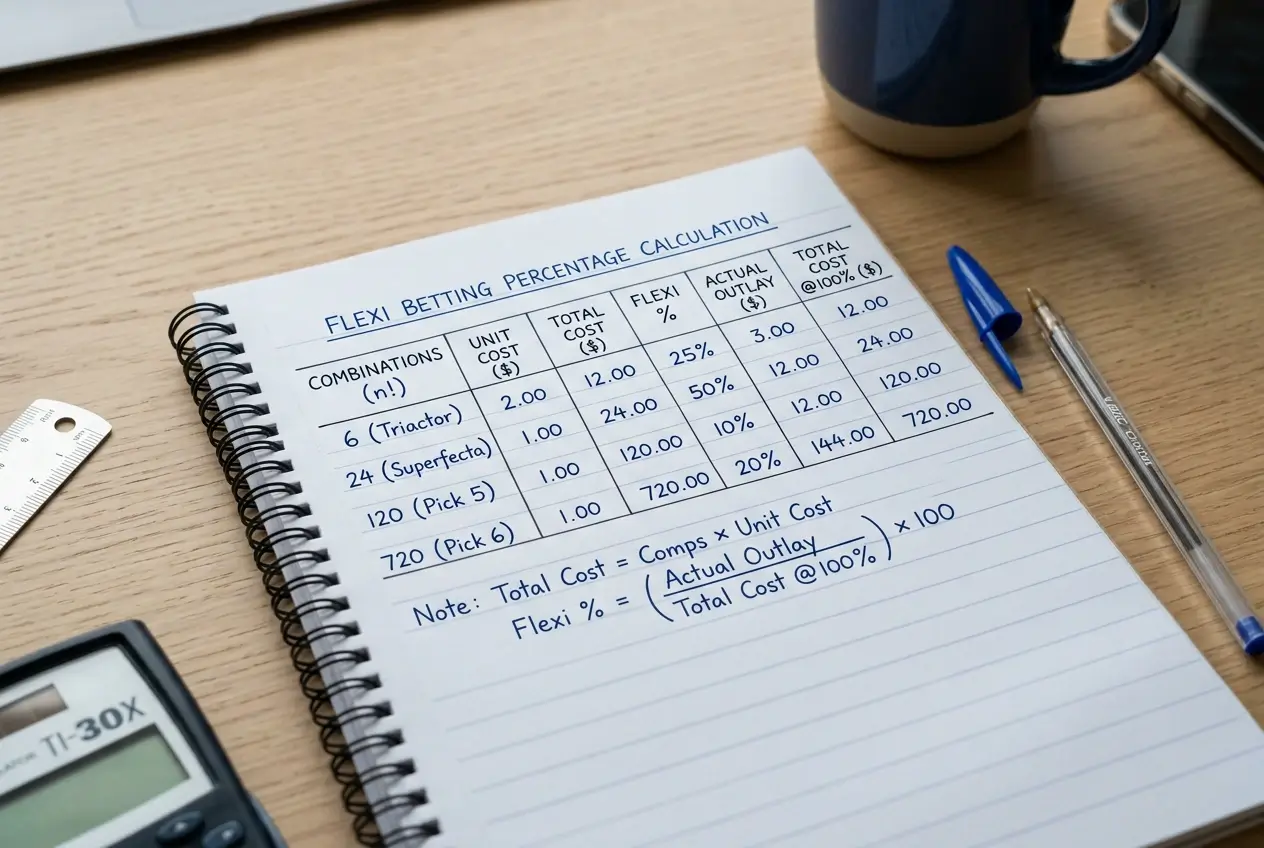
The structure of a quaddie tip is its most revealing feature. A tipster who consistently anchors the same type of leg — the first leg of the quaddie, say, or the race with the shortest-priced favourite — is revealing a systematic approach that you can evaluate over time. Does anchoring the short-priced horse in the “easy” leg actually save money relative to the hit rate? Or would it be cheaper to just spread that leg and put the freed-up budget into a tighter selection in the genuinely difficult legs?
Watch for tipsters who spread every leg equally. A 3x3x3x3 structure sounds balanced, but it’s actually a low-conviction tip — it doesn’t distinguish between legs that are genuinely open and legs where one horse is clearly the correct pick. Spreading three selections across a race with a near-certainty is wasting combinations that could be used more productively elsewhere. It also drives up the cost without adding proportionate coverage value.
Conversely, tipsters who anchor every leg to a single selection are building fragile tickets. One unexpected result and the quaddie is dead. That might be acceptable if all four of their single selections are genuinely well-assessed, but it’s a structural weakness that a thoughtful punter should notice before committing to follow the tip exactly. The standard quaddie calculation gives you the tools to evaluate this: a 1x1x1x1 ticket costs one unit. A 1x2x1x2 ticket costs four units. A 2x3x1x3 ticket costs 18 units. The cost-coverage trade-off is explicit, and any tip worth reading should have made that trade-off consciously.

In terms of pool value, it’s worth noting that Tote-style pool bets have historically produced better returns than fixed-odds equivalents in UK data — Tote Exacta beat the equivalent Forecast in roughly 73% of races, while Trifecta beat Tricast in 74% of races, with average overperformance of 30% and 57% respectively. That’s not directly comparable to a quaddie, but it illustrates the general principle: pool bets tend to over-represent value on less-fancied outcomes, which is exactly where a good quaddie tip can find an edge over the crowd.

Turning tips into your own ticket
The best use of a quaddie tip is not to copy it verbatim but to use it as a starting point for your own analysis. A tipster who names three selections in leg 4 is telling you something about the difficulty of that leg — but they may be including a horse you’ve already decided isn’t a factor. Dropping one of their three selections and saving a third of the leg-4 cost is a reasonable modification if you have a genuine view on the horse’s chances.
Similarly, if a tipster has anchored leg 2 to a single horse that you think has a genuine chance of being beaten, adding a second selection in that leg doubles the combination count for that leg — but it may be the most important single modification you make to the ticket. The tipster’s anchor is their assessment; yours may differ.
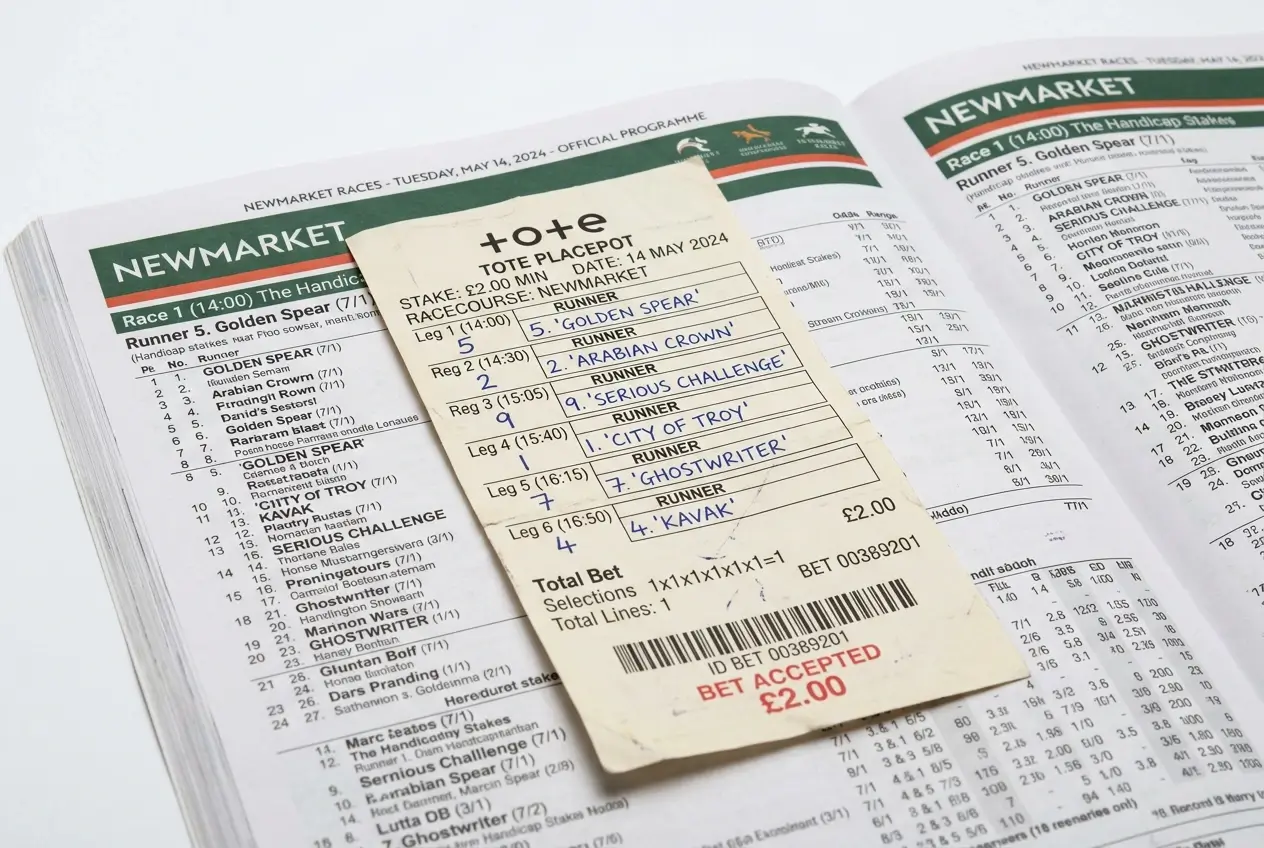
This approach — using published tips as a structural template while applying your own form assessments at the margin — is how experienced pool punters process tipping content. The tip provides a framework. Your judgement adjusts it. The result is a ticket that reflects both the publicly available analysis and your own edge, rather than a mechanical copy of someone else’s view.
For the structural side of building that ticket — working out exactly how many combinations different selection counts produce and what they cost — the quaddie strategy guide walks through the coverage-versus-cost calculation in detail. Judging a ticket structure: quaddie strategy.
Are free quaddie tips worth following?
It depends entirely on the quality of the structural information provided. A free tip that specifies selections per leg, combination count, and reasoning for each choice is worth reading and adapting. A free tip that names four horses with no structural context is close to useless as a betting guide. Evaluate the information content, not the price tag.
Should I copy a tipster’s structure exactly?
Not necessarily. A published quaddie tip is a useful starting point, but experienced punters typically modify the structure based on their own form assessment. If you disagree with one of the tipster’s selections, replacing or adding a runner in that leg is a reasonable adjustment — it changes the cost and combination count, but it produces a ticket that reflects your actual view rather than a blind copy of someone else’s.
How do I check if a tipster’s quaddies actually land?
Track the all-four-correct outcome over a meaningful sample — at least 20 to 30 published quaddies. Also track the cost of following the published structure at the specified flexi percentage or unit stake. A tipster might land the quaddie occasionally but if the ticket cost on losing runs depletes capital faster than the winning dividends replace it, the long-term result is negative regardless of the headline hit rate.
This material was created by the FourCast team.
Related posts
Pool Betting vs Fixed Odds: Where the Value Evidence Points
Royal Ascot Pool Betting: World Pool and Placepot at the Royal Meeting