
Royal Ascot Pool Betting: World Pool and Placepot at the Royal Meeting
 Available in US
The five days where British pool betting goes fully global

Royal Ascot is the point in the British racing calendar where the pool betting product is genuinely different in kind — not just in degree — from what you get on an ordinary race day. When Felicity Barnard, Chief Executive of Ascot Racecourse, described the World Pool as “a window to the world for British racing,” she was talking about something that changes the actual numbers on the Tote board. In 2025, World Pool turnover at Royal Ascot reached HK$1,574.4 million — approximately £150 million — up 10% from 2024. That figure represents bets placed from across the world, merged into a single pool, producing dividends that no purely domestic tote pool could match. The full picture is in our complete guide to quaddie betting.
For the pool betting punter, the Royal Meeting offers two distinct opportunities: the win and place pools that benefit directly from World Pool commingling, and the Placepot which runs its own separate pool structure across the first six races each day. Both are enhanced by the scale and prestige of the meeting. Both demand a different level of preparation than a standard midweek card. And both have produced some of the most memorable returns in the British Tote’s recent history.
Ascot as the World Pool flagship
The Hong Kong Jockey Club, which operates the World Pool, has consistently cited Royal Ascot as the flagship event in its international racing calendar. The combination of globally recognised races — the Gold Cup, the Queen Anne Stakes, the Prince of Wales’s Stakes, the Diamond Jubilee — and the quality of runners assembled from across Europe, the US, and Australasia creates a product that attracts genuine international betting interest. That interest manifests as commingled money flowing into the World Pool from 27-plus jurisdictions.
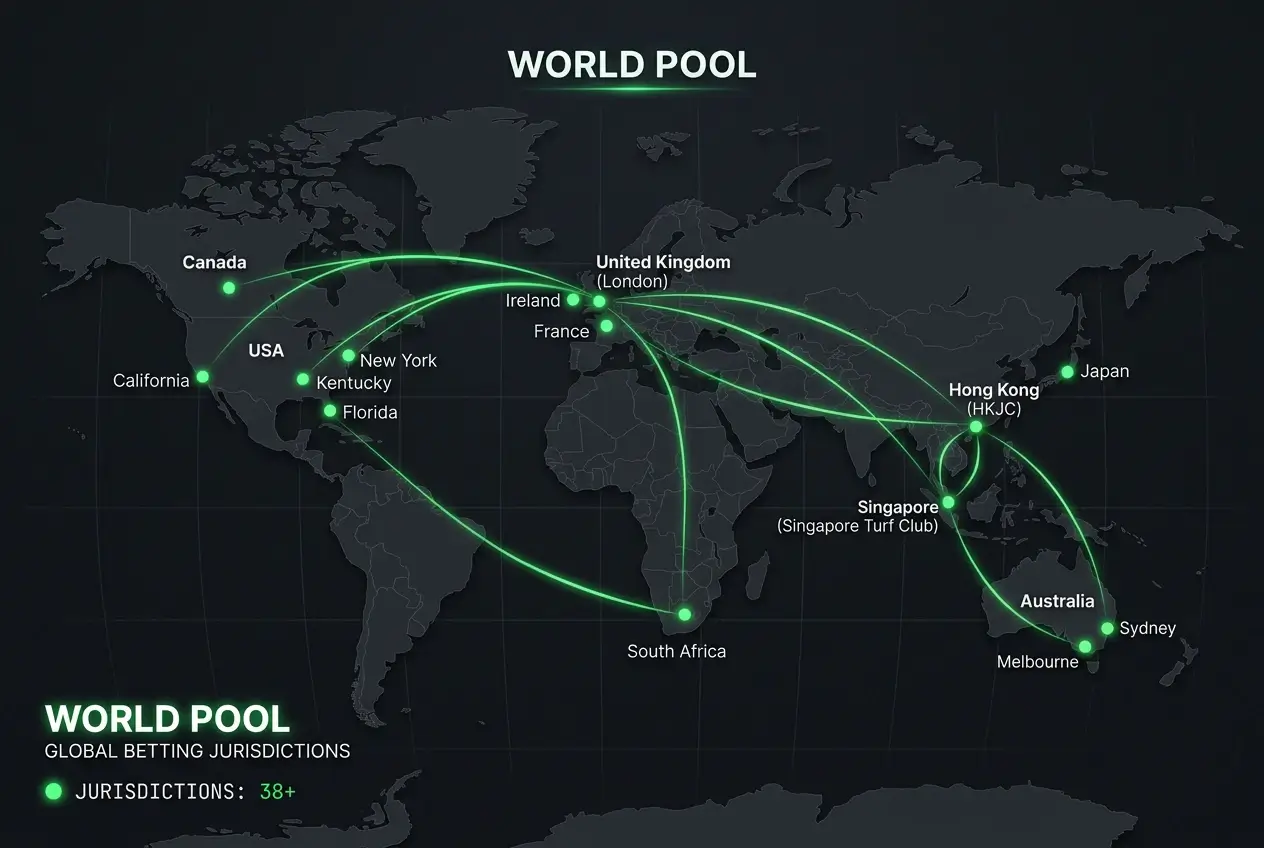
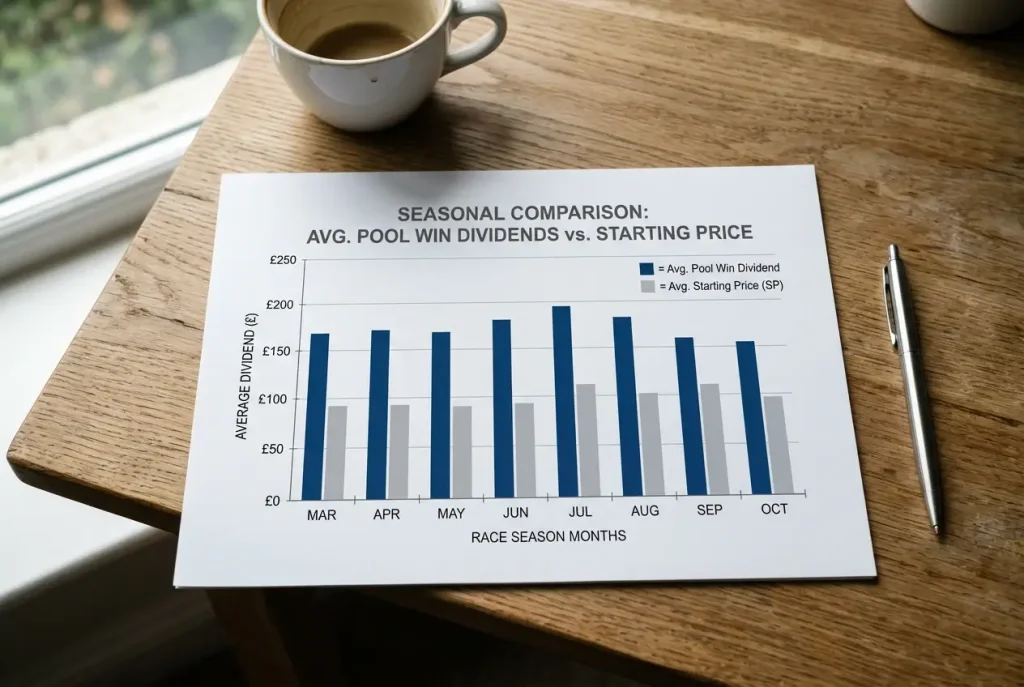
The practical effect on dividends is documented and consistent. On World Pool days across Britain and Ireland in 2025, Tote win bets produced £171.44 more per race than the equivalent stakes at industry Starting Price. That advantage is most pronounced on races where the international betting markets have a different view of the outcome than the domestic UK market — and at Ascot, where top-class international runners compete against domestic champions, the divergence of international and domestic opinion is more frequent than at any other UK meeting.
The Ascot races that attract the largest World Pool volumes are predictably the Group 1 contests — races like the Royal Hunt Cup, the Commonwealth Cup, and the sprint events, where international runners have genuine winning chances and where Hong Kong, Singapore, and other Asian markets have deep familiarity with the horses involved. A race like the Diamond Jubilee Stakes, with its history of attracting Hong Kong-trained runners and strong Hong Kong betting interest, produces World Pool win volumes that are substantially higher per race than the meeting average.
Placepot dividends at Ascot
The Royal Ascot Placepot operates separately from the World Pool — it’s a domestic pool product that doesn’t commingle with international markets. But the scale of the meeting means it attracts significant natural turnover, and the competitive quality of the racing makes it a difficult product to land.
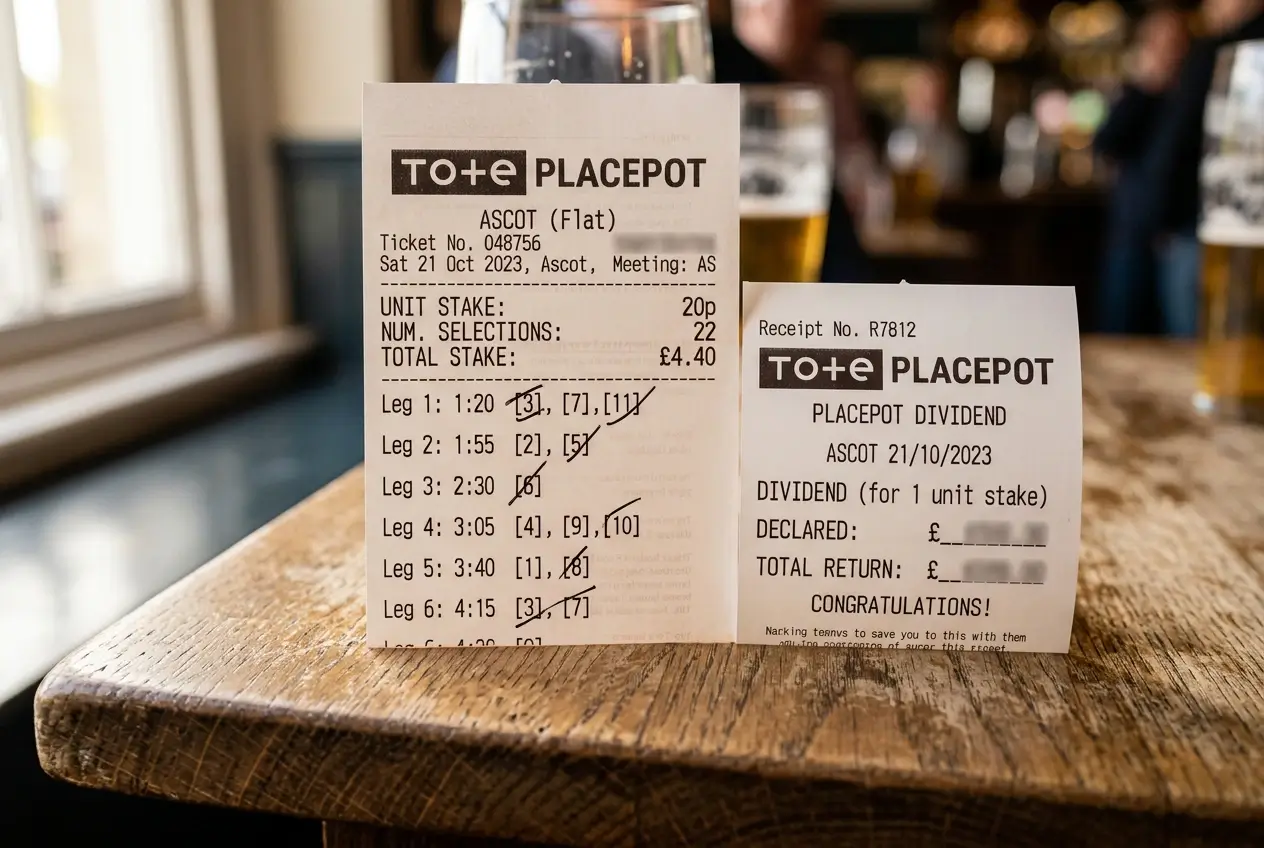
In 2025, the largest UK Placepot dividend of the year was £26,424.30 at Royal Ascot, declared on a day where a difficult card eliminated most tickets. That figure — achieved on approximately 18.15 winning units — illustrates the Ascot Placepot’s potential even on days that don’t set records. The competitive fields across five days of Group-level racing create the conditions for high dividends regularly: the card is hard enough that winning tickets are rare, and the pools are large enough that when few tickets survive, the per-unit return is substantial.
The Ascot Placepot doesn’t carry the same guarantee as the Cheltenham Festival (where £1,000,000 is guaranteed per day), but the natural turnover at the Royal Meeting produces pools that are among the largest in the domestic Placepot calendar outside of the major jump racing festivals. A punter approaching the Royal Ascot Placepot should expect to need wider coverage than they’d use at a standard meeting — the race quality is exceptional, the placed-horse outcomes are genuinely difficult to predict, and the combination of those factors regularly produces dividends in the hundreds or thousands rather than tens of pounds.
Getting value at the Royal Meeting

The combination of World Pool win/place value and a large-pool Placepot makes Royal Ascot the most compelling single week in the British pool betting calendar. The structured approach to both products is different, however. For win and place bets, the World Pool’s commingling advantage means that Tote bets are structurally preferable to fixed-odds on most races, particularly on Group 1s with international runners where the international markets may have a different assessment of the favourite’s chances. A £1 Tote win bet on each of the week’s winners would, based on 2025 data, have outperformed the same stakes at Starting Price by a substantial margin.

For the Placepot, value comes from coverage structure. Ascot cards regularly feature sprints with 20-plus runners, competitive handicaps, and pattern races where the placed-horse outcome involves runners at a range of prices. A strategy that anchors the genuinely limited fields and spreads the competitive handicaps — rather than applying the same coverage depth across all six legs — is more cost-efficient than treating every leg identically. The guaranteed pool structure at the Festival level isn’t in place at Ascot in the same way, but the natural turnover and competitive difficulty mean the reward for a surviving ticket is almost always meaningful.
A specific Royal Ascot dynamic worth noting: the meeting runs across five days, and the quality of the card varies day by day. Opening day and Gold Cup day tend to attract the largest pool turnover, while the Friday card — though strong — often draws slightly lower participation from casual punters. That variation in pool size across the five days creates a strategic choice: entering a large Tuesday or Thursday pool means more competition from other punters but a larger prize pool, while a slightly thinner Friday pool might offer proportionally more value if the card is equally difficult.
The Ascot sprint races — the King’s Stand, the Commonwealth Cup, the Diamond Jubilee — are particular focuses of international betting interest through the World Pool, because sprint racing has strong followings in Hong Kong, Singapore, and other Asian markets. These races tend to produce large World Pool win volumes and, on days when the sprint result diverges from the domestic market’s preference, genuinely exceptional pool dividends. Planning your Tote win bets around the sprint programme at Ascot — and accepting that the pool’s international diversity might price the outcome differently from the domestic bookmakers — is a practical application of the World Pool value principle. For the mechanics of how commingled pools produce these outcomes, the World Pool guide explains the structure and evidence in detail. The pool behind the meeting: World Pool betting.
How big is the World Pool at Royal Ascot?
In 2025, World Pool turnover at Royal Ascot reached HK$1,574.4 million — approximately £150 million or US$252 million — a 10% increase from 2024. This pool reflects bets placed from across 27-plus jurisdictions, merged into a single pari-mutuel pool that produces dividends substantially larger than a domestic-only Tote pool could generate.
What was the biggest 2025 Royal Ascot Placepot dividend?
The largest UK Placepot dividend of 2025 was £26,424.30 at Royal Ascot, declared on a day where a competitive card eliminated most tickets, producing approximately 18.15 winning units. That figure represented the year’s largest Placepot dividend across all UK meetings, reflecting the combination of large natural pools and the competitive difficulty of the Royal Ascot card.
Is pool betting better value than the bookies at Ascot?
The evidence from 2025 World Pool data shows that Tote win bets on World Pool race days outperformed equivalent Starting Price returns by £171.44 per race across the full British and Irish season. At Royal Ascot specifically, the international diversity of the betting pool — bets from over 27 jurisdictions — typically produces dividends that reflect a broader range of opinion than domestic bookmakers, particularly on Group 1 races with international runners.
This material was created by the FourCast team.
Related posts

Quaddie Tips: How to Read, Judge and Use Daily Selections
Pool Betting vs Fixed Odds: Where the Value Evidence Points