
Pool Betting vs Fixed Odds: Where the Value Evidence Points
 Available in US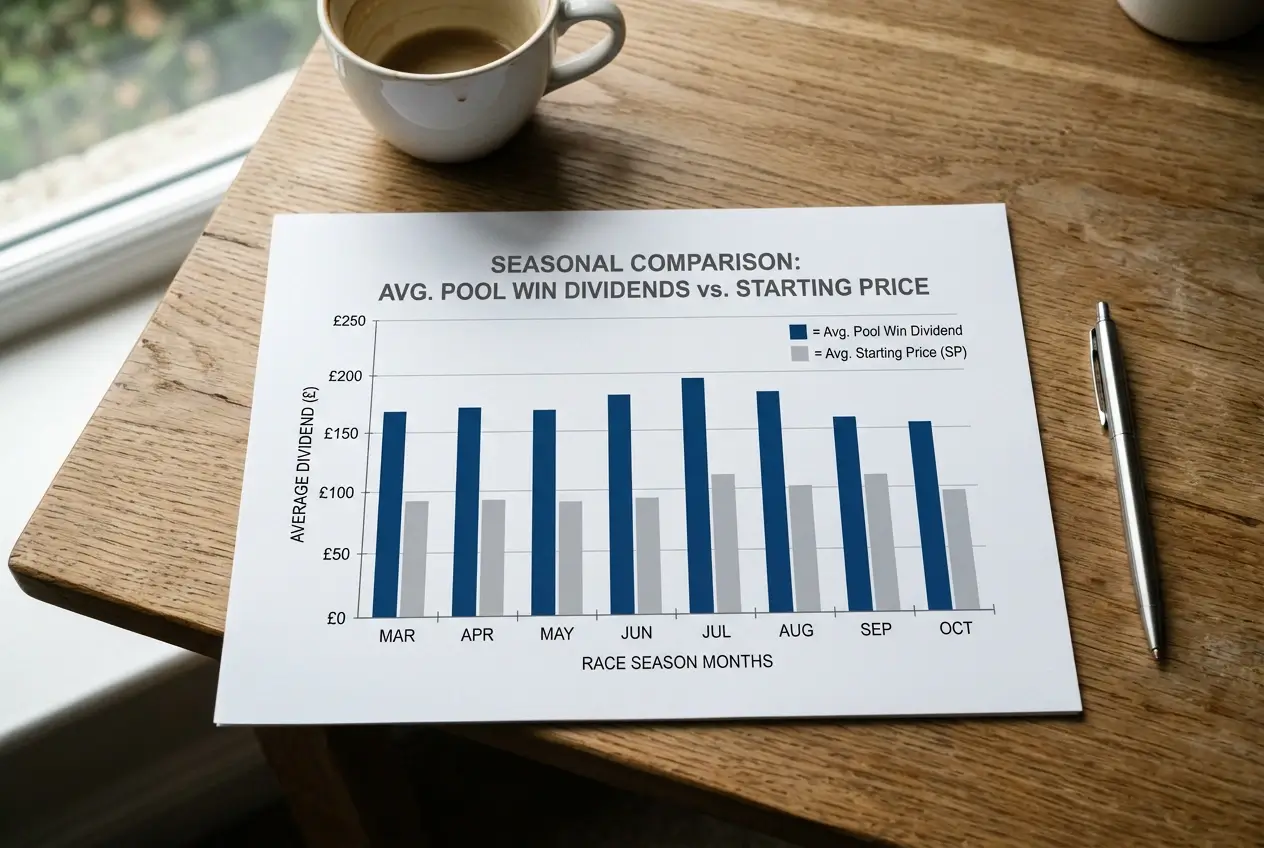
The comparison most punters never make properly
The default assumption for most British punters is that fixed-odds bookmakers are the baseline — the standard against which everything else is measured. Pool betting, in this framing, is an interesting alternative for special occasions or large festival pools. I held that assumption myself for the first few years I bet seriously on racing. It took systematic comparison of pool dividends against Starting Prices across a meaningful number of races to update my view — and the update was substantial. The evidence on pool versus fixed-odds returns is not a matter of opinion. It is documented, consistent, and directionally clear. The full picture is in our complete guide to quaddie betting.
UK pool betting had a gross gaming yield of £771.1 million in the financial year 2023-24. That figure represents the scale of the market, but it doesn’t tell you who’s getting value within it. The value question requires looking at actual dividend-versus-SP comparisons, which is what the data from the Tote and independent analysis provide. When that comparison is made systematically, the results favour pool betting in the majority of cases — and the margin of outperformance is larger on complex products and international race days than on standard win bets at domestic meetings.
Win and place: the starting data
The Tote Guarantee ensures that win and place pool bets never fall below Starting Price — so the floor of the comparison is SP. The question is how often, and by how much, pool dividends exceed that floor. The World Pool data from 2025 provides the clearest answer: across British and Irish World Pool race days, a £1 Tote win bet on each winner produced £171.44 more than the same stakes at industry SP. That’s not per bet — that’s the cumulative additional return across an entire season of World Pool racing. Per race, the pool win dividend outperformed SP on the majority of races.

The mechanism behind this outperformance is the diversity of the commingled pool. When bets from 27 jurisdictions enter a single pool, the pricing reflects international opinion that may differ systematically from UK bookmaker pricing. A horse that British bookmakers have assessed at 5-2 based on domestic form analysis may be perceived differently by Hong Kong or Singapore punters who have different information frameworks. When that horse wins, the pool dividend can diverge from the SP meaningfully — in either direction, but the net effect across the full sample favours the pool.
On non-World-Pool days, where the pool is purely domestic, the comparison is tighter. The Tote guarantee still provides the SP floor, but the pool’s tendency to outperform SP is less pronounced without international commingling to diversify the pricing. The practical implication is that Tote win betting is most systematically valuable on World Pool race days, and the advantage narrows but doesn’t disappear on standard domestic meetings.
Exotics: where the gap widens
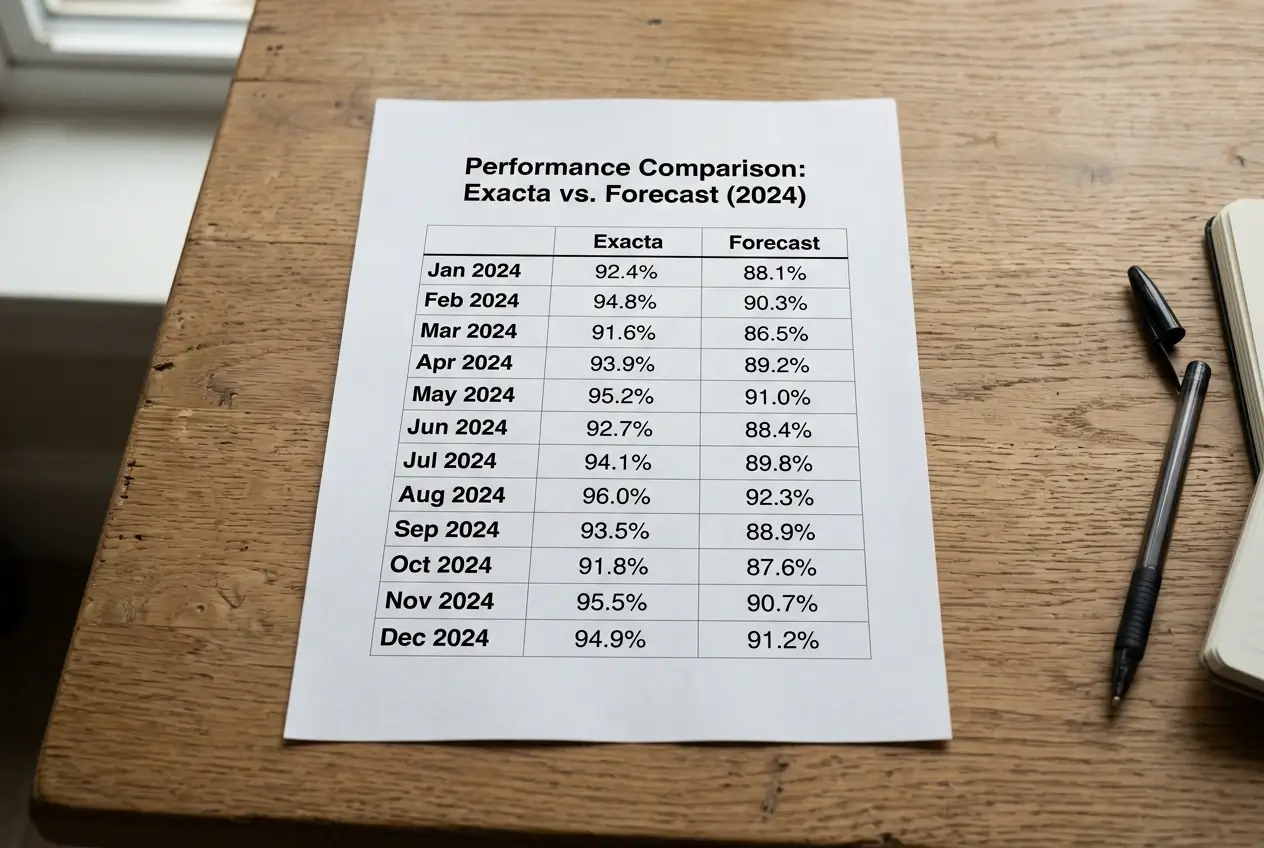
The exotic pool products show a much larger performance gap versus their fixed-odds equivalents. The Tote Exacta — selecting first and second in a race — outperformed the bookmaker Forecast price in approximately 73% of races, with an average improvement of around 30%. The Tote Trifecta — selecting first, second and third — outperformed the bookmaker Tricast in approximately 74% of races, with an average improvement of around 57%.

These figures are significant. An average outperformance of 57% on Trifecta versus Tricast means that a punter who systematically backed trifecta combinations through the Tote pool received, on average, 57% more return per unit than the equivalent fixed-odds Tricast price. Over a season of betting, that differential compounds into a substantial advantage. It is the most compelling data point in the pool-versus-fixed-odds comparison because it shows the gap is largest precisely where the bet is most complex — and complexity is where pool pricing’s crowd-sourced diversity most consistently diverges from bookmaker pricing.
The reason for this pattern is structural. A bookmaker pricing a Tricast must assess the probability of a specific first-three-in-order outcome and apply a margin to it. That assessment is based on their modelling, and the margin they add reflects both their uncertainty and their commercial need to profit. A pari-mutuel Trifecta pool prices the outcome through the actual distribution of punter money — and because punters are most likely to back combinations involving market leaders, any combination involving a mid-price or lower-price runner is underrepresented in the pool relative to its true probability. When such a combination wins, the pool dividend far exceeds what the bookmaker’s Tricast would have paid.

Multi-race pools: the extreme case
The advantage of pool betting over fixed odds is most extreme in multi-race pool products — Placepot, Quadpot, Jackpot, Scoop6, and their Australian equivalents. There is no direct fixed-odds equivalent for a six-leg placed-runner pool; a bookmaker could price an individual “place accumulator” across six races, but the resulting price would reflect their margin applied to each leg and compounded across all six, producing a return substantially lower than the pool equivalent on most outcomes.
The record Cheltenham Placepot of £182,568 to a £2 stake illustrates the upper bound of what a multi-race pool can produce when results diverge from consensus. No fixed-odds bookmaker would have offered a price that implied a return of that magnitude on a six-race place sequence. The pool’s unlimited upside — structurally uncapped because it distributes whatever money is in the net pool among however few winning tickets survive — is the fundamental advantage that no fixed-odds product can replicate.

The flip side is that pool products can also produce disappointingly modest dividends on easy cards where most tickets survive and the prize is diluted among many winners. That variance is the cost of the pool product’s unlimited upside. Fixed-odds accumulators don’t pay disappointing amounts when they win — they pay exactly what was agreed. Pool products can pay anywhere from marginal to extraordinary, and the distribution is skewed by how many tickets survive. On genuinely difficult cards, the pool’s skew toward large dividends is a powerful value argument. On easy cards, fixed-odds accumulators at competitive SP may produce superior returns. The intelligent approach is to distinguish between the two scenarios before choosing which format to use for a given day’s racing.
The overall evidence supports pool betting as the systematically better value format for punters who are prepared to engage with the product’s structure — particularly for exotics, particularly on World Pool race days, and particularly for the multi-race sequences where the pool’s uncapped upside has no fixed-odds equivalent. That is not an argument against fixed odds; it is an argument for using both intelligently, based on the specific conditions of the bet you’re placing. For understanding how the pool dividend actually gets calculated from the gross pool down to the per-unit return, the pari-mutuel betting guide covers the full arithmetic in detail. The guarantee that closes the gap: SP or better.

Does the Tote beat the bookies on win bets?
The evidence from World Pool race days shows that Tote win dividends outperformed industry Starting Price by £171.44 cumulative per race across the full 2025 British and Irish World Pool season. The Tote Guarantee also ensures win bets never pay below SP. On non-World-Pool days, the pool still tends to outperform SP on average, though the margin is narrower without international commingling.
Are pool exotics better value than bookmaker exotics?
Systematically, yes. Data shows Tote Exacta beats Forecast in roughly 73% of races (average +30%) and Trifecta beats Tricast in roughly 74% of races (average +57%). The structural reason is that pool pricing reflects the actual distribution of punter money — which underweights less-fancied combinations — meaning the pool pays more when those combinations win.
When is fixed-odds better than the pool?
On easy cards where pool dividends are compressed by many surviving tickets, a fixed-odds accumulator may produce a better per-unit return than the pool equivalent, especially on races where all four or six legs produce market-leader winners. Fixed-odds also gives certainty: you know your return before the first race. The pool’s advantage is most pronounced on difficult cards, major meetings with large pools, and World Pool race days with international commingling.
This material was created by the FourCast team.
Related posts

Quaddie Tips: How to Read, Judge and Use Daily Selections

Royal Ascot Pool Betting: World Pool and Placepot at the Royal Meeting