
World Pool Betting: How Commingling Builds One Global Tote Pool
 Available in US
The day a British punter’s £2 win bet joined a pool worth over a billion Hong Kong dollars
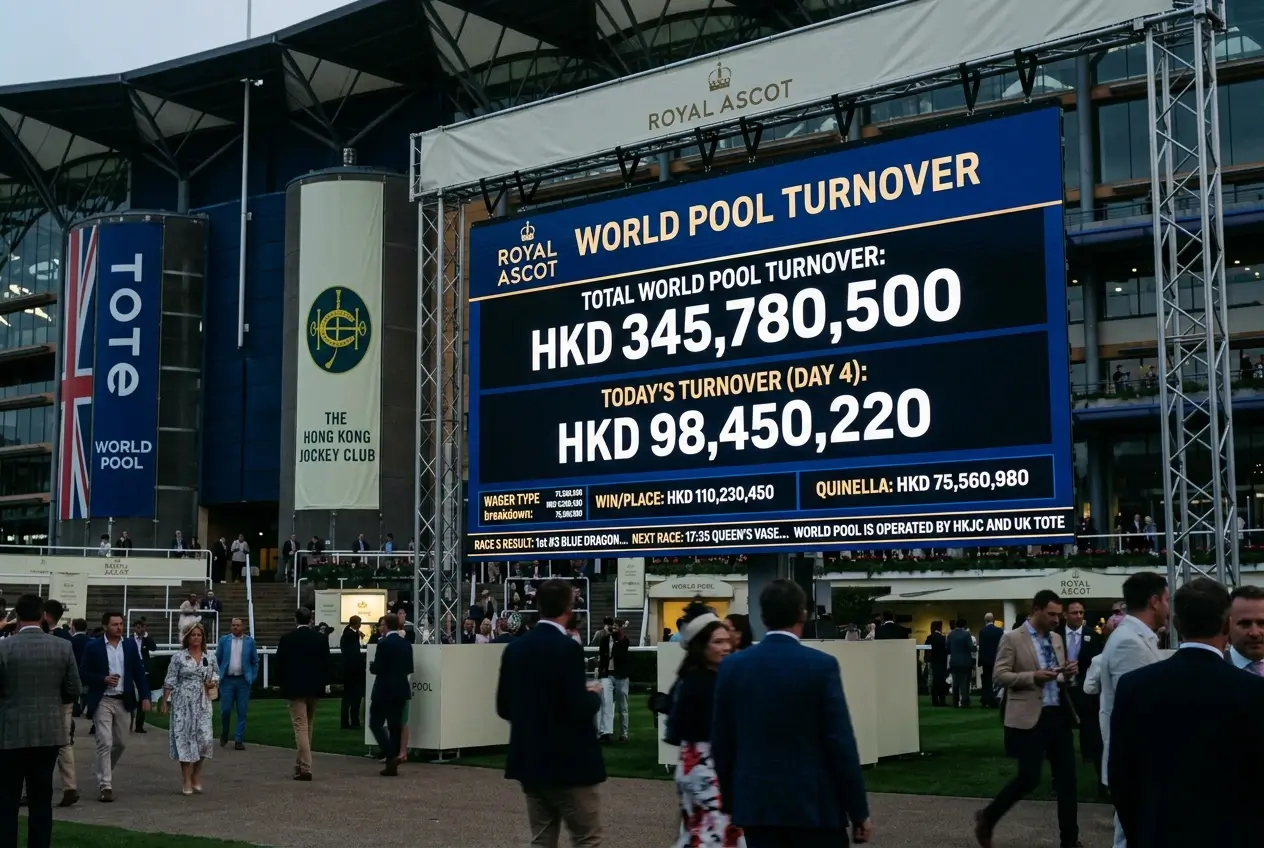
On Royal Ascot 2025, the World Pool turnover reached HK$1,574.4 million — approximately £150 million or US$252 million. A punter placing a standard Tote win bet on the Gold Cup that afternoon was, without necessarily knowing it, contributing to one of the largest single-event tote pools in the world. Their £2 sat alongside money placed in Hong Kong, Singapore, Australia, and 24 other jurisdictions, all merged into one shared pool from which a single set of dividends was declared. That is commingling in operation. And it changes what pool betting can pay you. The full picture is in our complete guide to quaddie betting.
The World Pool, operated by the Hong Kong Jockey Club in partnership with the UK Tote Group and other racing bodies, had a total turnover of HK$10.9 billion in 2025 — a record figure. Turnover on international races alone reached HK$9.3 billion, up 20% from the previous year. Those are not abstract financial statistics; they are the reason why Tote dividends on major British and Irish race days increasingly outperform Starting Price returns by a margin that no purely domestic pool could generate.
What commingling actually does
Commingling is the technical process by which bets placed in different jurisdictions are merged into a single pari-mutuel pool. Without it, a British punter betting on Royal Ascot through the Tote is in a pool with other British Tote customers only. The dividend is determined by how much British Tote money is on each horse. With commingling, that British pool is merged with the equivalent pools from Hong Kong, Singapore, France, Australia, and wherever else has been licensed to participate. The merged pool is substantially larger — and in pari-mutuel betting, a larger pool produces more stable, more accurate pricing and typically better value on less-fancied horses.
In 2025, World Pool bets were commingled from 27 jurisdictions. That breadth is important. It means the merged pool reflects genuine international diversity of opinion — punters in Hong Kong may assess the form of a British horse differently from punters in the UK, and that diversity of view produces a pool where no single region’s bias dominates the pricing. The result tends to be dividends that more accurately reflect the true market for each horse.

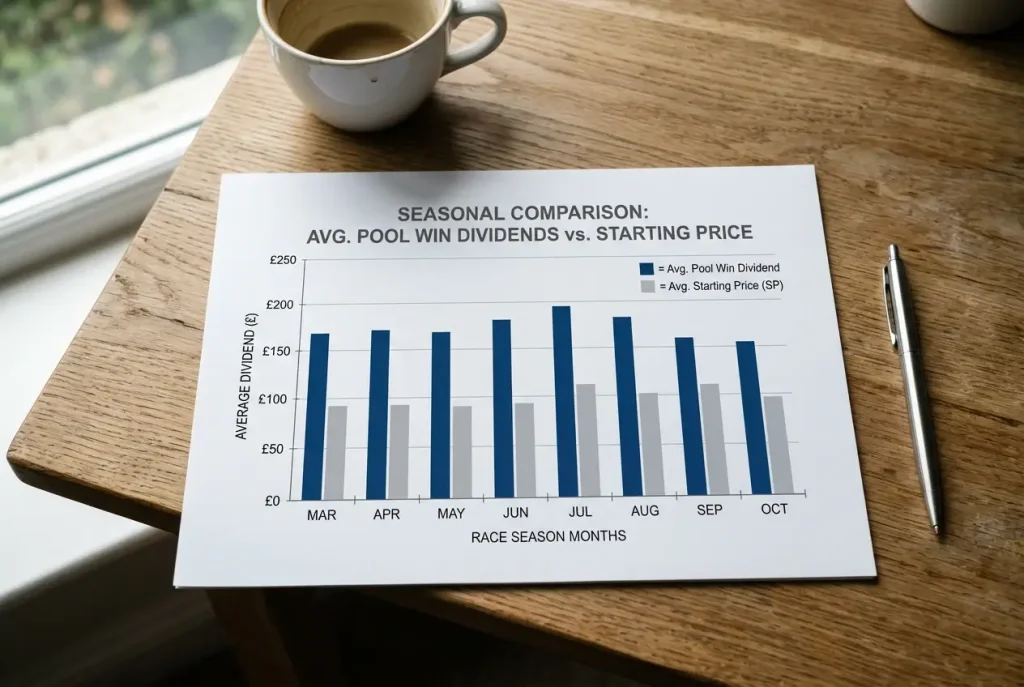
Sam Nati, Head of Commingling at the Hong Kong Jockey Club, described it plainly: “World Pool continues to drive some great value for customers.” That’s an accurate summary of what the data shows. On World Pool days in Britain and Ireland in 2025, a £1 Tote bet on each winner produced £171.44 more than the same stake at industry Starting Price across the same races. That differential isn’t explained by noise — it reflects the structural advantage of a large, internationally diverse pool versus a domestic fixed-odds market.
World Pool by the numbers
The scale of the World Pool is worth appreciating in concrete terms. In 2025, 329 races were run under the World Pool banner across 10 jurisdictions, with 70 of those races ranking among the IFHA Top 100 over the previous three years. That concentration of elite races is intentional: the World Pool operates on the world’s best-quality racing, which attracts the highest turnover and the most internationally distributed betting interest.
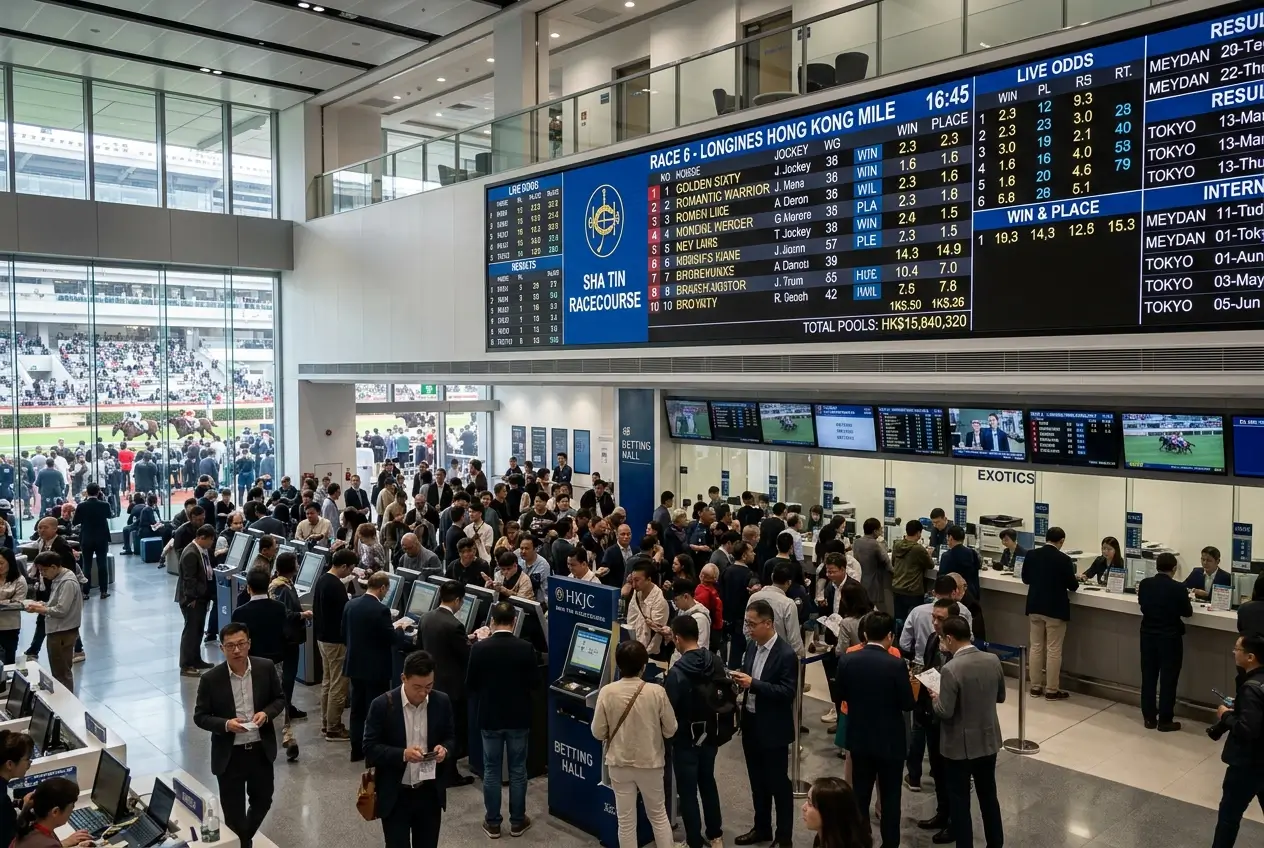
The turnover growth is consistent. HK$9.3 billion on international races in 2025 compared to HK$7.8 billion in 2024 — a 20% increase in a single year. Royal Ascot alone generated HK$1,574.4 million, up 10% year-on-year. The Epsom Derby in 2025 produced HK$54,403,320 — approximately £5.1 million — with bets flowing from 28 jurisdictions. These figures represent a consistent trajectory: the World Pool is growing in both volume and geographic reach.
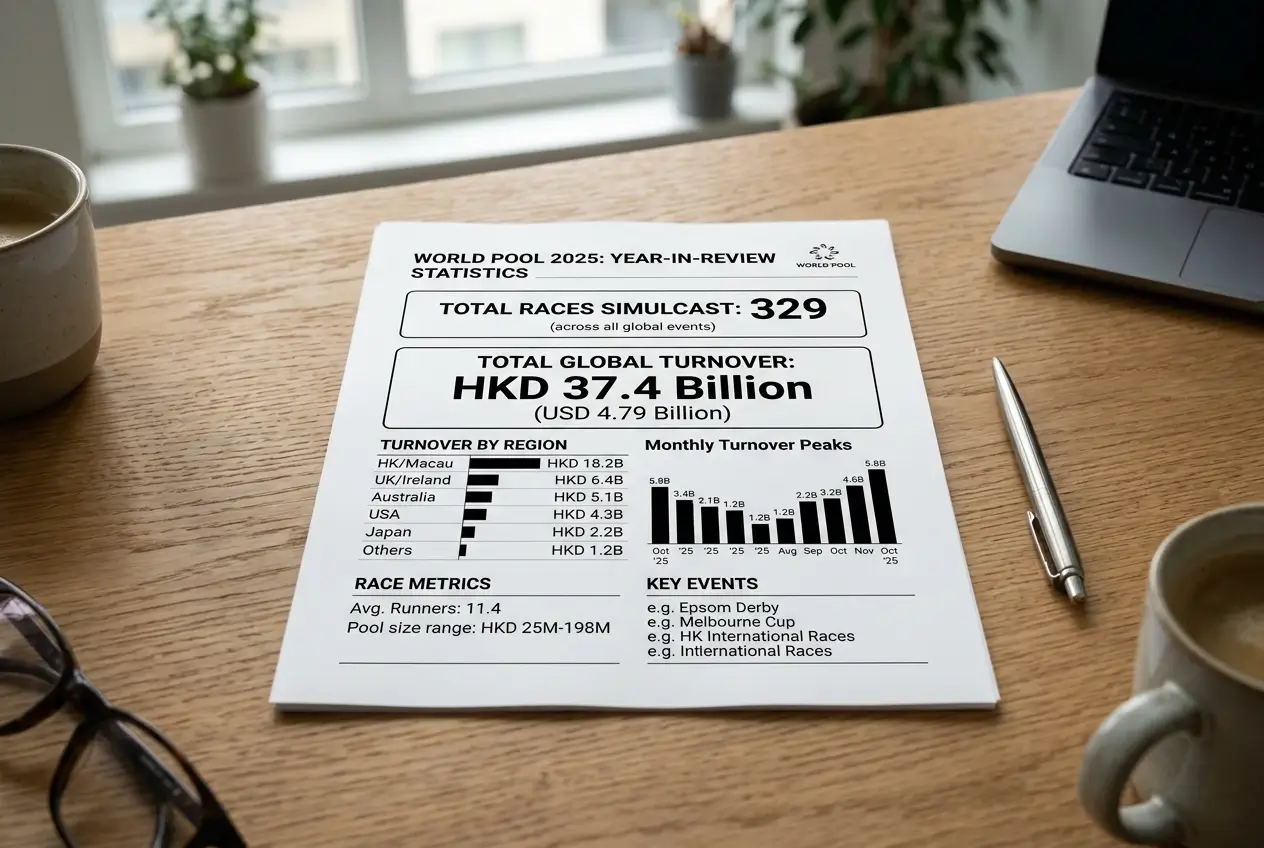
The single-race record for World Pool turnover was set in April 2026, when a race at Sha Tin attracted an HK$97.1 million win pool — a figure that prompted the Hong Kong Jockey Club CEO to remark that he had never seen a tote figure like it. That context matters: the World Pool isn’t just a mechanism for distributing British racing internationally. It operates in both directions, bringing international liquidity to British meetings and exposing British punters to the full depth of global racing interest.

Why it matters for UK punters
The practical benefit for a British punter using the Tote on a World Pool race day is straightforward: larger pool, better dividends, demonstrably more value versus fixed odds. Since the World Pool launched in 2019, it has generated £65 million in revenue for UK and Irish racecourses — money that flows back into prize funds and racing infrastructure. That’s not a peripheral benefit; it’s a fundamental change in the economics of British pool betting.
The value advantage is most visible on favourites and on less-fancied horses that attract disproportionate backing in specific international markets. When Hong Kong punters have a strong view on a British horse — perhaps one trained by a trainer with a strong record at the Sha Tin-equivalent track — their money enters the World Pool and distorts the dividend relative to domestic-only pricing. A British punter who took the Tote on that horse benefits from the international confidence in the selection, even if they had no idea the Hong Kong market was active on the race.
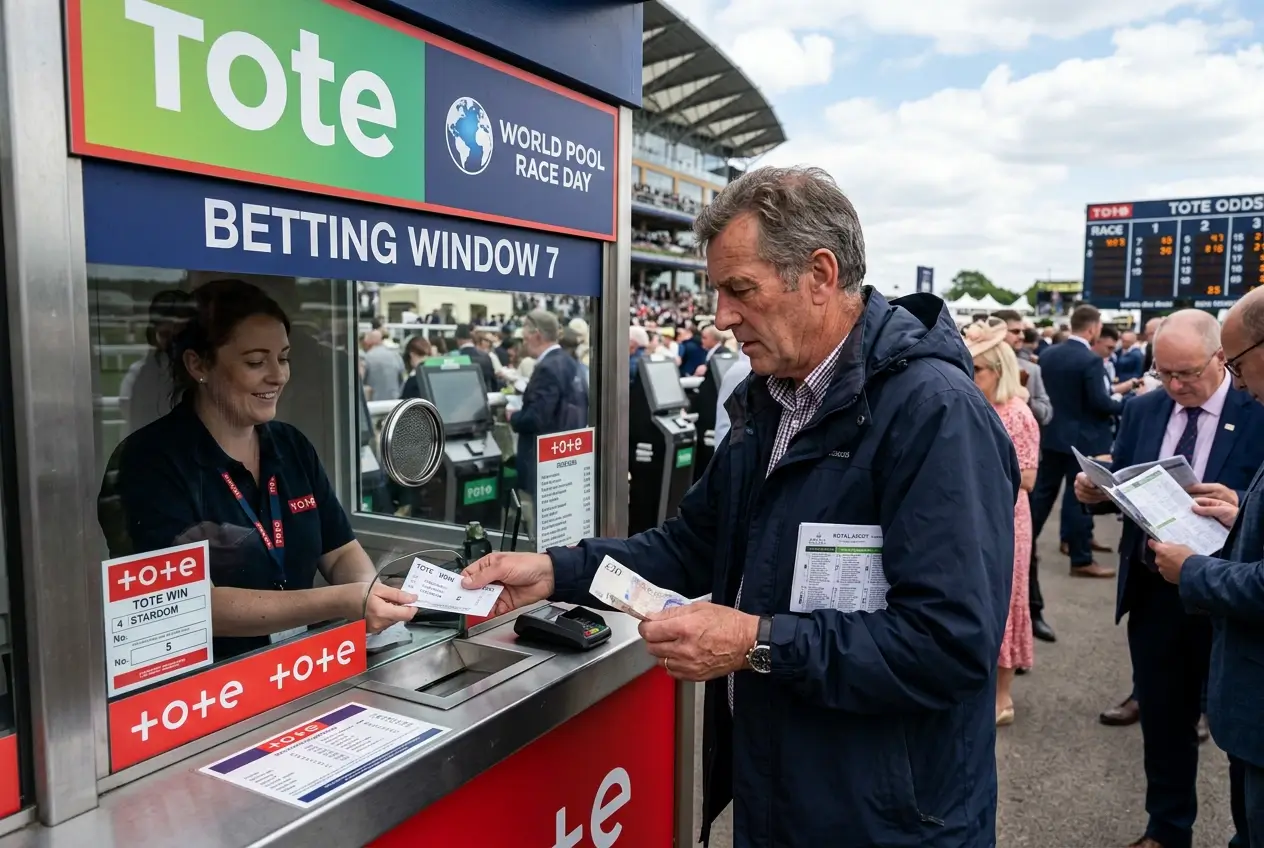
The broader picture is that UK pool betting — which had a gross gaming yield of £771.1 million in the financial year 2023-24 — is increasingly integrated with international tote markets in a way that changes the fundamental value proposition. The World Pool is the mechanism. For a deeper look at how fixed-odds and pool-based betting compare in structural value terms, the guide to pool betting versus fixed odds works through the evidence in detail.
One further dimension worth understanding is what the World Pool does to the Tote’s ability to offer competitive dividends throughout the year, not just on the handful of flagship meetings. As Andrew Harding, Executive Director (Racing) at the Hong Kong Jockey Club, put it: “It’s been a very positive year for World Pool” — and that positivity translates into race-by-race improvements in the quality of the pool product on every World Pool race day. British racing calendar regulars — Royal Ascot, the Epsom Derby, the King George, Champions Day at Ascot — are all now World Pool fixtures, which means the pool product on those days is operating at a scale that would have been unimaginable when the Tote was purely domestic. For a punter who bets systematically through the major meetings, the World Pool is no longer a novelty feature; it’s the baseline expectation for what a major race-day Tote pool should look like. Its flagship meeting in Britain: Royal Ascot pool betting.
What does commingling mean in betting?
Commingling is the process of merging pari-mutuel pools from multiple jurisdictions into one combined pool. Bets placed in different countries are aggregated, a single set of dividends is calculated on the merged pool, and winnings are paid at those unified dividends. The effect is a larger pool that produces more stable and typically more generous dividends than any single-jurisdiction pool could achieve.
Which countries feed into the World Pool?
In 2025, the World Pool accepted commingled bets from 27 jurisdictions, including Hong Kong, the UK, Ireland, Australia, Singapore, France, and others. The list of participating countries changes as licensing agreements are extended. The World Pool operates primarily on elite British, Irish, and Hong Kong racing, with the HKJC acting as the central pool operator.
How is World Pool different from a normal Tote pool?
A normal domestic Tote pool contains only bets placed within that jurisdiction. The World Pool merges bets from up to 27 jurisdictions into one pool. The larger and more internationally diverse pool produces dividends that reflect global betting interest rather than just domestic opinion — and historically, those dividends have outperformed domestic Starting Price returns by a meaningful margin on World Pool race days.
This material was created by the FourCast team.
Related posts

Quaddie Tips: How to Read, Judge and Use Daily Selections
Pool Betting vs Fixed Odds: Where the Value Evidence Points