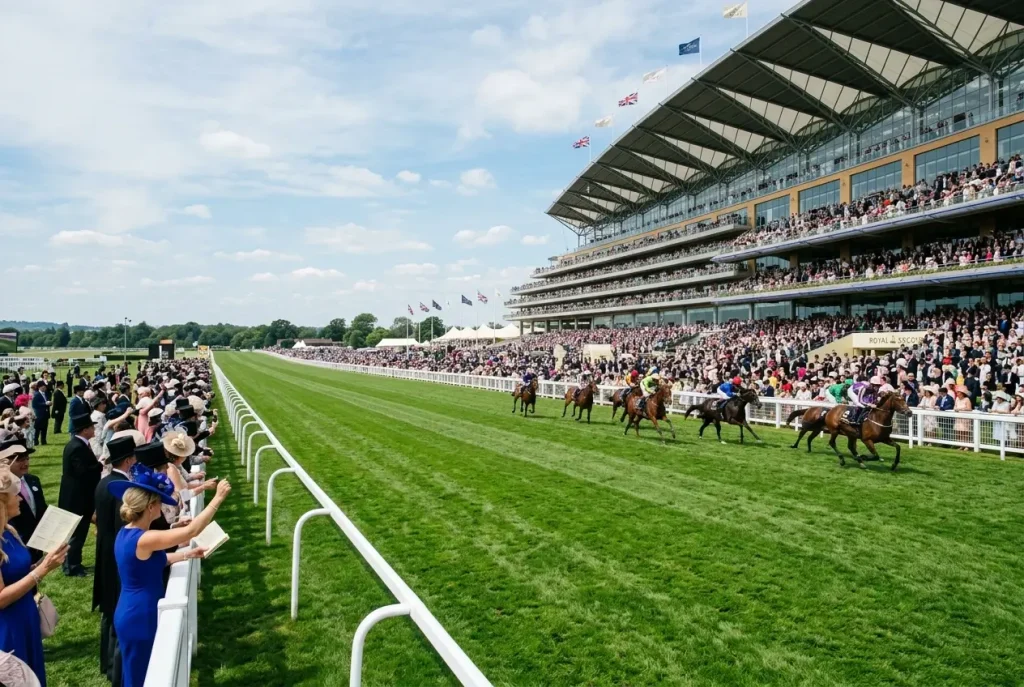
Quaddie Strategy: How to Anchor, Spread and Cover the Four Legs
 Available in US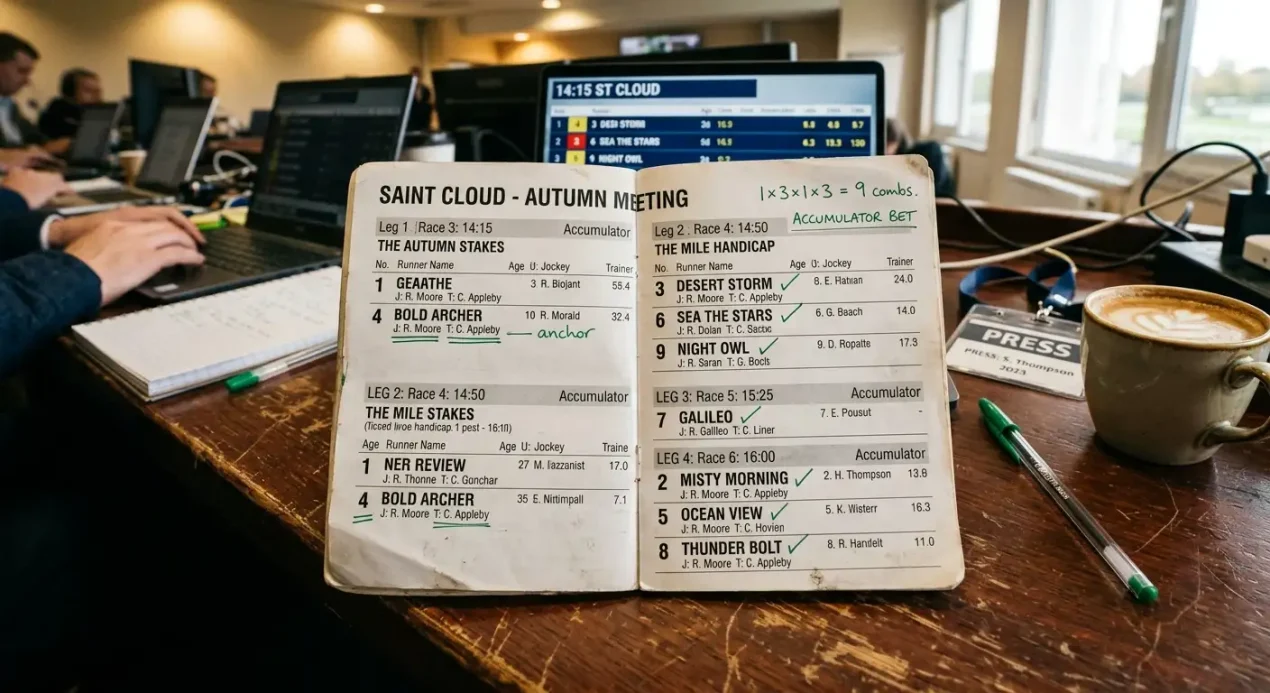
Strategy Starts Before You Look at the Horses
Most punters approach a quaddie the wrong way. They open the form guide, find four horses they like — one per race — and place a single combination. Then they wonder why they never win. The quaddie is not a four-horse parlay. It is a budget allocation problem across four separate races, and the central skill is deciding how much coverage to buy in each leg and how that coverage fits together as a coherent ticket. The full picture is in our complete guide to quaddie betting.
I learned this distinction early in my career as a pool betting analyst. My first serious quaddie — a four-leg meeting at a mid-tier Australian track, before I was working primarily with UK products — had me agonising over individual horse selections. I landed three of the four winners but missed the fourth because I had only taken a single runner in that leg. The winner was priced at 8/1 in the fixed-odds market. I could have added it to my ticket for an additional two combinations and roughly £2 of extra cost. Instead I lost the whole bet.
That single experience changed how I think about these bets entirely. Quaddie strategy is budget management between four legs — allocating your total spend in a way that gives you the best chance of covering the real winner in every leg, especially in the legs where the race is genuinely open. The selection work still matters, but the structural decisions come first.
The Trade-Off: Coverage Versus Cost
Every decision in quaddie construction is a version of the same trade-off: do I cover more combinations (and improve my win probability) or do I hold the line on cost (and maintain a higher Flexi percentage if I do win)? The maths makes this trade-off quantifiable, which is one reason I prefer pool bets over other exotics — the numbers tell you exactly what each decision costs.
The multiplicative cost of extra coverage
The standard 3×3×3×3 quaddie covers 81 combinations at a full unit cost of A$81 or £81 depending on your market. Adding a single extra horse to just one leg immediately changes the equation:
4×3×3×3 = 108 combinations — a 33% cost increase from one horse
Add that same horse to two legs instead of one:
4×4×3×3 = 144 combinations — a 78% cost increase from two horses
The lesson: extra coverage in the quaddie is multiplicative, not additive. Every horse you add to any leg multiplies the entire ticket. This is why strategy cannot be separated from cost. See the full how-to-calculate-a-quaddie guide for the complete cost mechanics.
The opportunity cost framing
I frame the coverage question differently from most punters. Rather than “how many horses should I take in this leg?” I ask: “what is the cost, in Flexi percentage, of adding this one extra horse?” Consider a budget of £30 and a current ticket of 81 combinations (£81 full unit). At £30, you are already at 37% Flexi. Adding one horse to one leg bumps you to 108 combinations. At £30 budget, that is now 27.8% Flexi. You are giving up 9.2 percentage points of your payout share to include that one extra runner.
Is that runner worth 9.2% of the dividend? That depends on how likely it is to win. A genuine second favourite with a 25% chance of winning? Probably yes. A 20/1 outsider you want to include “just in case”? Probably not — at those odds, you would be paying 9.2% of your payout for a runner that wins roughly once in every 21 attempts.
That is the strategic calculus in its simplest form. You are not just picking horses — you are buying probability of coverage per pound spent.
The coverage-to-cost ratio
Think of it this way: your total budget buys you a certain amount of ticket space. The question is how to distribute that space across four legs to maximise the probability that at least one of your covered paths contains all four winners. A wide-open race with eight realistic contenders deserves more of your coverage budget. A race with a near-certain favourite deserves almost none of it.
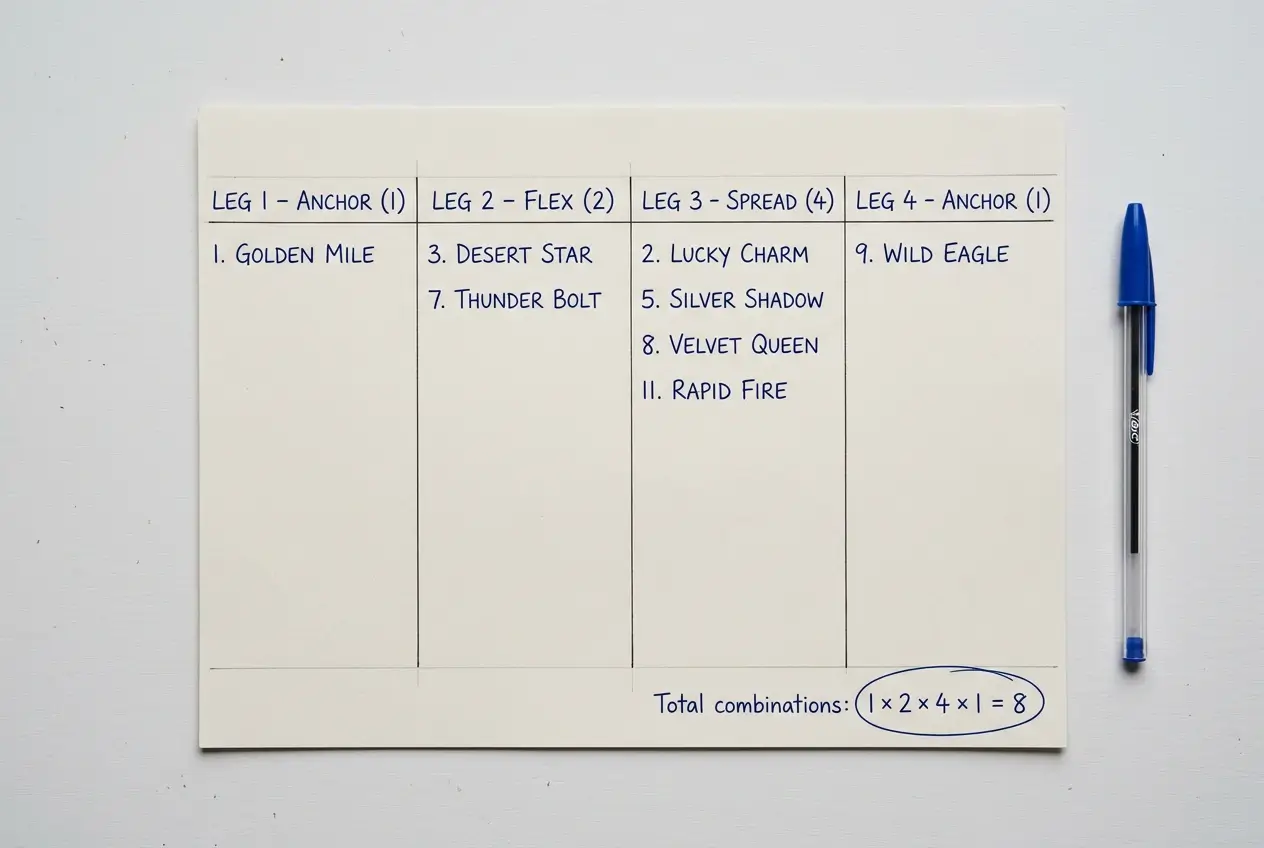
The strategic framework I use breaks every quaddie into three leg types: anchor legs (single selections, contributing 1 to the combination count), spread legs (multiple selections in genuinely open races), and flex legs (the legs where you are on the fence — two or three runners, covering your primary view plus one live alternative). A good ticket typically has one or two anchor legs, one spread leg, and one flex leg. The exact split depends on the card.
Anchoring the Strong Leg
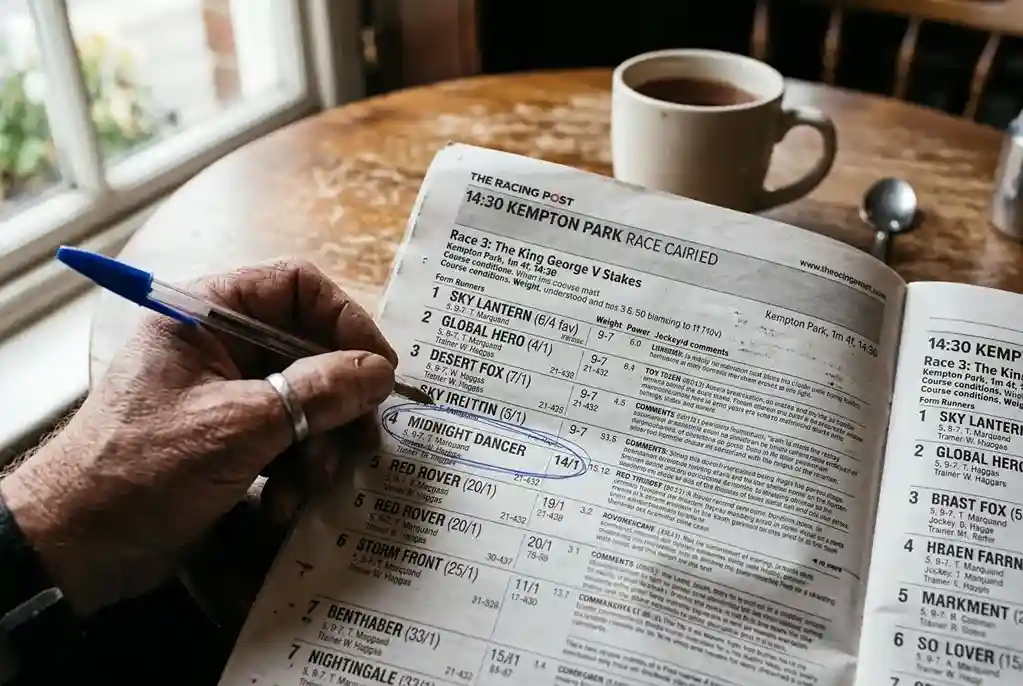
An anchor is a leg where you take a single selection — one horse, full stop. That single horse carries the entire weight of that leg, contributing a factor of 1 to the combination multiplication and effectively costing nothing in ticket width. The anchor is your most confident call of the four races.
When to use an anchor
The decision to anchor a leg is a form judgement, not a formula. In my experience, anchoring makes sense when two or more of the following are true:
- The horse is a genuine market leader at short odds — consistently at or near the top of the betting in the days before the race.
- The race has a small field with a clear ability gap between the favourite and the rest.
- The horse’s form profile is consistent — it has placed or won at similar distances, going and class in recent runs.
- You have a professional opinion, from a form analyst or trainer contact you trust, that reinforces the market view.
Anchoring a horse you do not fully believe in is a mistake. If you are banking a runner out of budget pressure rather than genuine confidence, you are essentially betting that your cheapest option is also your best option — that is rarely true.
The cost arithmetic of anchoring
The value of an anchor is most visible when you consider a 2×3×4×5 ticket structure. That gives you:
2×3×4×5 = 120 combinations
Now bank leg 1 to a single selection:
1×3×4×5 = 60 combinations — half the cost
Same coverage everywhere else; you have freed up half your budget simply by committing to one horse in the first leg. That freed-up budget can either reduce your total spend, increase your Flexi percentage on the same ticket, or — most usefully — fund additional coverage in one of the other three legs.
Anchoring the right leg
There is a common mistake I see repeatedly: anchoring the leg that is the cheapest to cover, not the leg where your confidence is highest. If you are least confident about leg 3 but you anchor it because it only has five runners, you are constructing your ticket around cost rather than form logic. The anchor should go on the leg where a single selection is most justified by the evidence — not where it happens to save the most money.
Equally, do not be seduced into anchoring a leg because the market leader is a short price. Short price means the market agrees with you; it does not mean the horse is certain to win. At 2/5, a favourite still loses — historically, horses at that price win roughly 60–65% of the time. If you anchor a 2/5 shot and it gets beaten, your entire quaddie is dead. That is the pure downside of anchoring: zero coverage outside your single selection means zero chance of survival if that selection fails. Know the odds, accept the risk, and only anchor when the evidence justifies it.
Multiple anchors
Some experienced punters run two or even three anchors in a single ticket — a highly focused, low-cost, high-confidence approach. With two anchors (legs contributing 1 each) and two spread legs covering four runners each, the total is:
1×1×4×4 = 16 combinations
Sixteen combinations at full unit is a £16 ticket. At 100% Flexi on a £20 budget, you have room to spare — or you could take 25% Flexi and cover 64 combinations instead (4×4×4 with an anchor), spending the same £20. The multiple-anchor structure demands exceptional confidence in the anchored legs but rewards that confidence with very high Flexi percentages when the ticket lands.
Spreading the Open Legs
The flip side of anchoring is spreading — taking multiple selections in a leg because the race is genuinely open and a single selection would leave you too exposed. Spreading is not a substitute for form analysis; it is what you do when form analysis tells you that two, three or four horses have a realistic chance of winning and you cannot reasonably eliminate any of them.
Identifying a genuine spread leg
A spread leg is not simply “a race I find difficult.” It is a race where the probability of the winner being outside your top two or three selections is high enough to justify the cost of covering more runners. I distinguish between two types of open legs:
- Genuinely open: large fields (ten or more), similar form lines, mixed recent results, no dominant market leader. These deserve three to five selections depending on your budget.
- Competitive but identifiable: fields where two or three horses are clearly ahead of the rest on form or market, with the remainder at long prices. These warrant two or three selections — cover the live chances, exclude the wishful outsiders.
Over the years, I have found that most four-leg quaddie cards contain one genuinely open race and one competitive-but-identifiable race. Rarely are all four legs completely open; usually two of the four races have a discernible top two or three in the market. Those are your narrower legs. The open race is where your width comes from.
How wide is too wide?
This is the most common question and the hardest to answer universally. My rule of thumb: if you are covering more than half the field in any leg, you are no longer selecting — you are insuring, and insurance in pool betting is expensive relative to the benefit. Taking six horses in a ten-runner race means you need a 40% longshot among the other four to justify not covering them. That is sometimes the right call, but it should be a deliberate decision, not a default.
On a pure budget basis: a five-selection spread leg in a 3×3×3×5 ticket costs:
3×3×3×5 = 135 combinations
Versus a three-selection spread leg:
3×3×3×3 = 81 combinations
The difference of 54 combinations, at £1 per unit, is £54. On a £30 budget, that difference in full unit cost changes your Flexi percentage from 37% (81 combinations) to 22% (135 combinations). You are trading 15 Flexi percentage points for two additional runners in one leg. Whether those two runners are worth 15% of your dividend is a question only the form can answer.
The spread-and-anchor balance
The most functional quaddie structure I have settled on over years of UK and Australian pool betting is the “1-3-1-3” approach: one anchor, three selections in the first open leg, another anchor, three selections in the second open leg. In combination terms:
1×3×1×3 = 9 combinations
Nine combinations at £1 per unit is a £9 full-unit cost. At a £30 budget, that is over 300% Flexi — far more than you need. In practice, you would either expand your selections (take four in each spread leg rather than three) or allocate the remaining budget to a second ticket with a different anchor configuration. The point is that two anchors and two spread legs at three selections each gives you a highly tractable combination count that leaves room to manoeuvre.
The field coverage trap
I see punters fall into this trap constantly: they spread a leg wide because they are nervous, not because the race is open. Nervousness is not a form signal. If you are widening a leg from three selections to five because you “do not want to miss the winner,” ask yourself whether horses four and five on your list have a genuine chance — or whether you are paying extra for peace of mind that pool betting cannot actually provide. The more combinations you cover, the less you win per winning combination. That trade-off needs to be driven by probability, not anxiety.

Finding the Value Leg
The most advanced strategic concept in quaddie construction — and the one that separates consistent pool bettors from occasional punters — is the value leg. The value leg is not simply an open race you want to spread. It is a race where the pari-mutuel pool is likely to be less efficient than the fixed-odds market, which means the dividend will be inflated relative to what a fixed-odds punter would receive.
Why pool dividends diverge from fixed-odds prices
The fixed-odds market is professionally managed. Bookmakers employ traders who adjust prices in response to money, reputation and form data. They get the favourites roughly right most of the time. The pari-mutuel pool, by contrast, is driven entirely by where ordinary punters put their money — and ordinary punters systematically over-bet favourites and under-bet longer-priced runners. The result: in pool betting, popular horses are often “underlaid” (their pool share is disproportionately large relative to their true probability), and longer-priced runners are often “overlaid” (their pool share is disproportionately small).
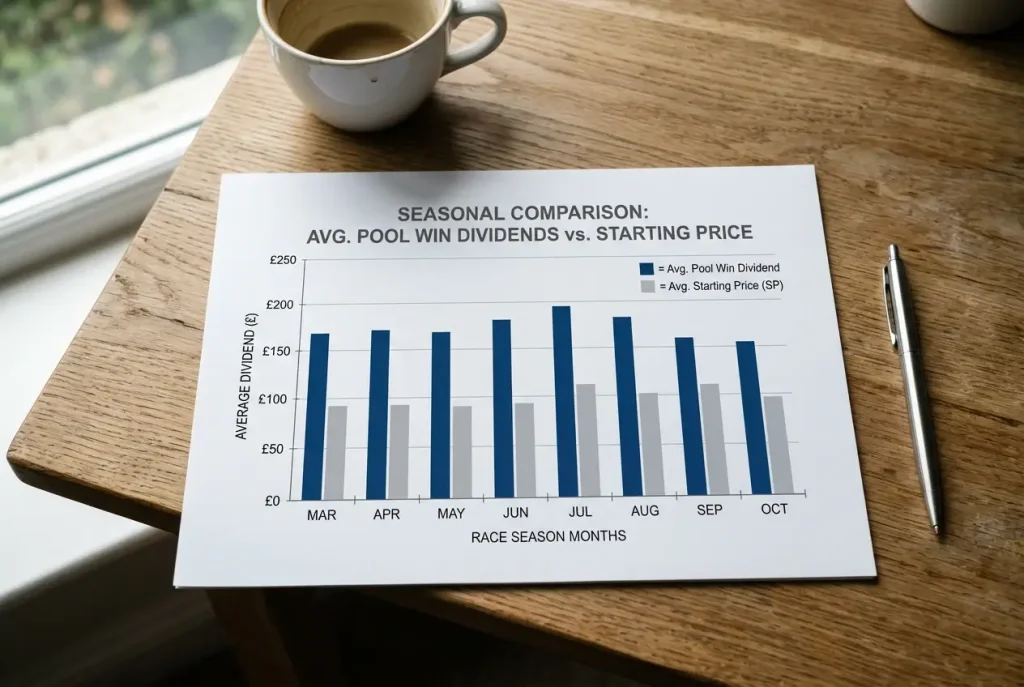
This is the fundamental reason why pari-mutuel products can produce better value than fixed odds on certain selections. The data from UK Tote pools confirms it: across the 2025 World Pool season, a systematic £1 stake on every winner in Britain and Ireland on World Pool days would have returned £171.44 more in total than the equivalent staking at industry Starting Price. That is not a fluke — it reflects the consistent tendency of the pool to pay more on winners that the mass of punters under-bet.
Sam Nati, Head of Commingling at the Hong Kong Jockey Club, summarises the dynamic clearly: “World Pool continues to drive some great value for customers.” The commingling mechanism that merges pools internationally amplifies this effect by adding liquidity, but the underlying dynamic — mass punter behaviour creating value on unfashionable runners — applies to any pari-mutuel pool regardless of size.
Moreover, the Tote Exacta beat the comparable Forecast price in 73% of races (averaging +30%), and the Trifecta beat the Tricast in 74% of races (averaging +57%). These are exotic multi-selection products, directly comparable to the quaddie family. The pool consistently pays better when the result is unpopular.
Identifying the value leg on your card
In practice, finding the value leg means looking for races where the public’s betting pattern is most likely to diverge from true probability. Indicators I look for:
- Large fields with several realistic contenders at similar odds — these dilute the pool more evenly and reduce the extent to which any single winner is under-bet.
- Races where recent high-profile form makes one horse a public favourite but the form is less compelling on closer analysis — the public over-bets the name, the pool pays more on an alternative.
- Handicaps where the weights have compressed the form and the market is genuinely confused — pool punters tend to default to recent winners, leaving value in horses returning from a break or stepping down in class.
The Melbourne Cup quaddie in 2024 paid A$512,000 to a full unit. That extraordinary figure was driven by four winners — Knight’s Choice at A$63, Catoggio at A$35, Fancify at A$6.30, and Bel Air at A$12.40 — in a race where the mass of public money had gone to international favourites that were strongly represented in most punters’ tickets. The massive dividend was the result of an under-populated winning combination. That is the value leg concept in its most extreme form.
Using the value leg in your structure
Once you identify a potential value leg, allocate it two or three selections and price up the ticket. If the rest of your structure is tight (anchors in your confident legs), the value leg’s width should be manageable. The goal is to include at least one runner in the value leg that the mass of pool money is likely to under-back — a runner that represents genuine form value at longer odds, whose presence in a winning combination would produce a larger dividend than if the favourite won. You do not need that runner to win. You need it to be on your ticket if it does win.
Common Strategy Mistakes and How to Avoid Them
I have watched punters make the same structural errors on quaddie tickets for years. Most are not form errors — they are maths errors and budget errors dressed up as form decisions. Here are the ones I see most often.
Mistake 1: Spreading all four legs equally
The equal-spread approach — say, three runners in every leg — feels balanced and safe. It is neither. A 3×3×3×3 ticket does not mean you are being equally careful in every race. It means you have not differentiated between legs where you have a strong opinion (and should narrow) and legs where you have no opinion (and should widen). A flat structure ignores the information you have. Differentiate.
Mistake 2: Adding horses out of fear rather than form
Every extra horse on your ticket should be there because you believe it has a genuine chance of winning, not because you are anxious about leaving it off. Fear-based additions are the most expensive part of most punters’ quaddie tickets. A horse you think has a 5% chance of winning is probably not worth including in an 81-combination ticket for the cost it adds — and certainly not in a 256-combination ticket where it contributes to a massive dilution of your Flexi percentage.
Mistake 3: Failing to set a budget before building the ticket
Without a budget ceiling, selection logic takes over completely — and selection logic always wants more horses. Start with the budget. Then build the tightest ticket the form justifies that stays within it. If the budget forces you to cut a horse you genuinely believe in, rethink the combination structure rather than exceeding the budget.
Mistake 4: Ignoring the Flexi percentage on a winning ticket
Winning a quaddie with a 2% Flexi percentage on a £500 pool dividend returns £10. That is a winning ticket that loses money in real terms because the Flexi was too thin to matter. Know your Flexi percentage before you confirm. If the implied payout on your most likely winning scenario is not worth the stake, you have built the wrong ticket.
Mistake 5: Not reviewing the ticket against the race card one more time
Before placing, scan your selected runners against the updated race conditions — going, field size, any late market moves. A horse whose price has shortened significantly in the final hour before the race is telling you something the morning’s form guide did not. Equally, a horse drifting in the market from 6/4 to 3/1 may be a signal to reconsider its anchor status. The ticket should reflect your best current view, not your view from three hours ago when you first built it.
Mistake 6: Treating the quaddie as a single bet rather than a budget exercise
The underlying error behind most of the above mistakes is thinking of the quaddie as “a bet” in the same sense as a win single or an accumulator. It is not. It is a portfolio of combinations, priced per path, with variable payout proportional to your investment per combination. Managing it well requires a portfolio mindset — allocation, coverage, cost per unit of probability — rather than the instinct that drives a single-horse bet. Once that framing clicks, everything else in quaddie strategy becomes clearer. Banking a leg to free up budget: the quaddie banker.
Frequently Asked Questions
How many runners should I cover in the open leg of a quaddie?
There is no universal answer, but as a working rule, three to four selections in a genuinely open leg is the practical range for most budgets. Beyond four or five, you are covering more than half the typical field, and the additional combination cost usually outweighs the incremental probability gain. Use the form to identify which runners are realistic chances, cover those, and let the rest of the field go.
Is it better to spread one leg wide or all four legs evenly?
Better to concentrate width where the race is genuinely open and anchor where you have confidence. Even coverage across four legs treats all four races as equally uncertain, which is almost never true. Differentiate by confidence level — one or two single-selection anchors in your strongest legs, wider coverage in the legs where the result is less predictable.
Does chasing a big dividend mean leaving out favourites?
Not necessarily, but structurally, very large dividends require at least some longer-priced winners to have landed — because when favourites dominate, more tickets win and the pool divides into smaller shares. Including a well-reasoned longer-priced selection in an open leg is sensible strategy. Deliberately excluding short-priced runners purely to chase an exotic dividend is a different matter — it reduces your win probability to maximise an outcome that depends on events you cannot control.
How do I decide which leg to keep tight and which to spread?
Rank the four legs by how confident you are in your top selection. The leg where you are most confident — where the form clearly points to one runner and the market confirms it — is your candidate for a single-selection anchor. The leg where you have the least conviction, or where several horses look equally likely, is your spread leg. If two legs look genuinely uncertain, spread both and anchor the other two, then use Flexi to keep the total cost within budget.
This material was created by the FourCast team.
Related posts

Quaddie Tips: How to Read, Judge and Use Daily Selections
Pool Betting vs Fixed Odds: Where the Value Evidence Points