Flexi Betting Explained: How to Cover More Combinations for Less
 Available in US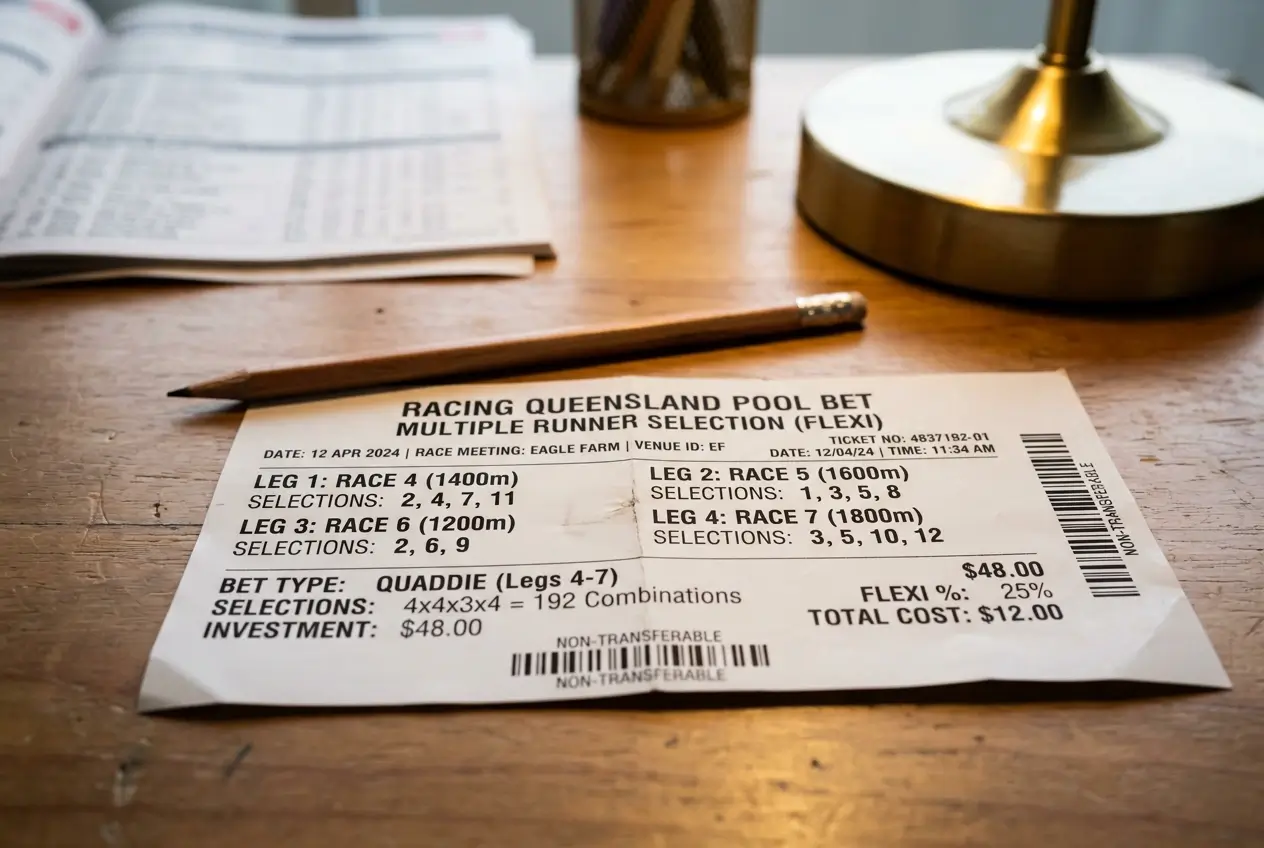
The mechanism that made pool betting accessible
Before flexi betting became standard across Australian and UK pool products, the cost of wide coverage in a quaddie or Placepot was a genuine barrier to entry. A punter who wanted to cover 81 combinations in a four-leg quaddie had to pay 81 full units — at the minimum stake that meant £162 in the UK, or the equivalent in Australian dollars for TAB products. For most recreational punters, that was simply too expensive for a bet that might return nothing. Flexi betting changed the equation completely. It allowed you to cover the same 81 combinations at, say, 10% of the full unit cost — meaning £16.20 instead of £162 — while accepting that a winning ticket would return 10% of the declared dividend rather than the full declared amount. Same coverage, fraction of the cost, proportionally scaled return. The full picture is in our complete guide to quaddie betting.
Flexi betting is now a standard feature of all major Australian TAB pool products and all UK Tote pool products. The mechanics are the same in both jurisdictions: you specify a percentage of the full unit stake you want to take, which determines both your cost and your share of the dividend if you win. A 25% flexi on a winning ticket returns 25% of the declared dividend per unit. A 50% flexi returns 50%. A 100% flexi is simply a full-unit bet. The percentage is your fractional stake in each combination you’ve covered.
The arithmetic of flexi
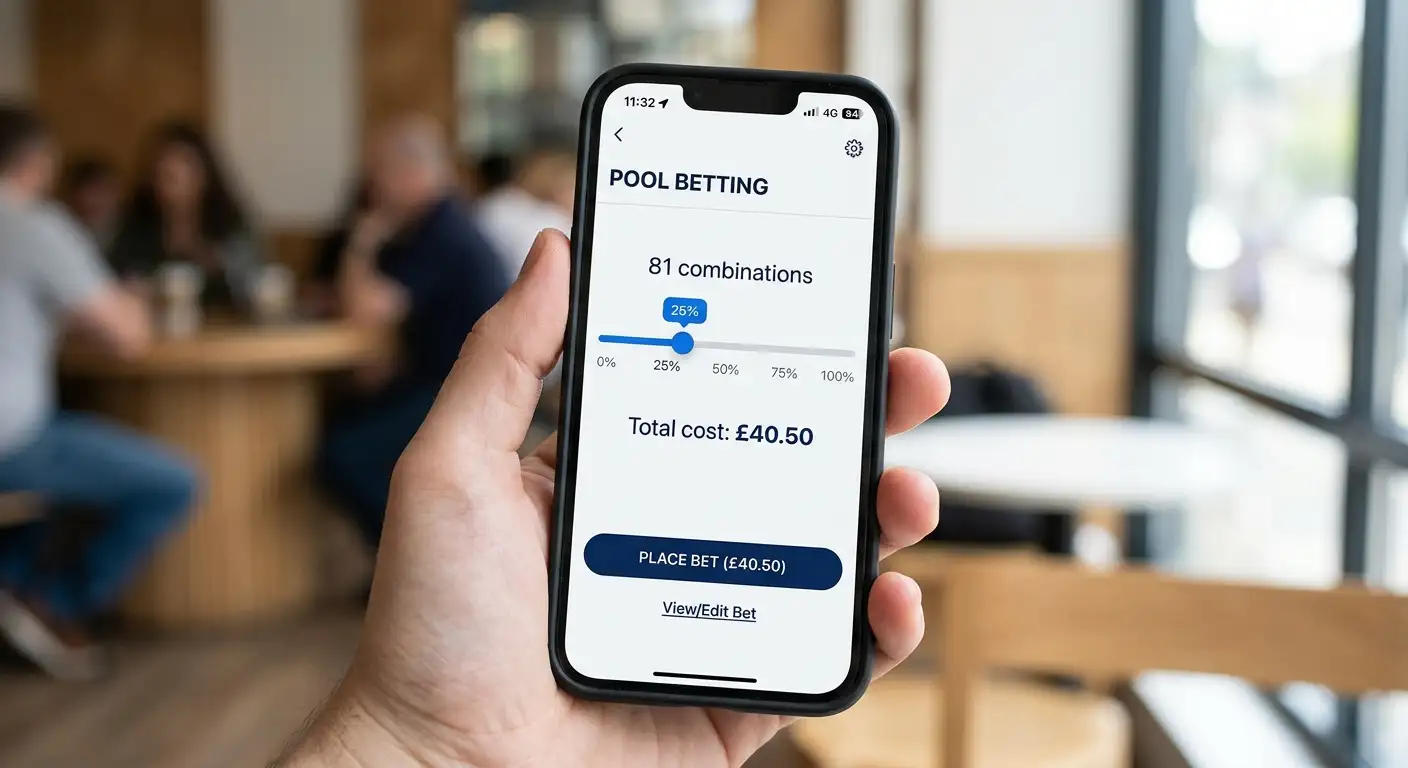
The cost calculation for a flexi bet has three components: number of combinations, unit stake, and flexi percentage. Multiply all three together and you get the total cost. A 3x3x3x3 = 81 combination Quadpot structure: at the £2 UK minimum unit and 25% flexi, the cost is 81 x £2 x 0.25 = £40.50. At 50% flexi, it’s £81. At 100% (full unit), it’s £162. Your coverage structure — which 81 combinations are included — is identical across all three scenarios. The only thing that changes is your financial stake in each combination and your proportional share of the dividend if you win.
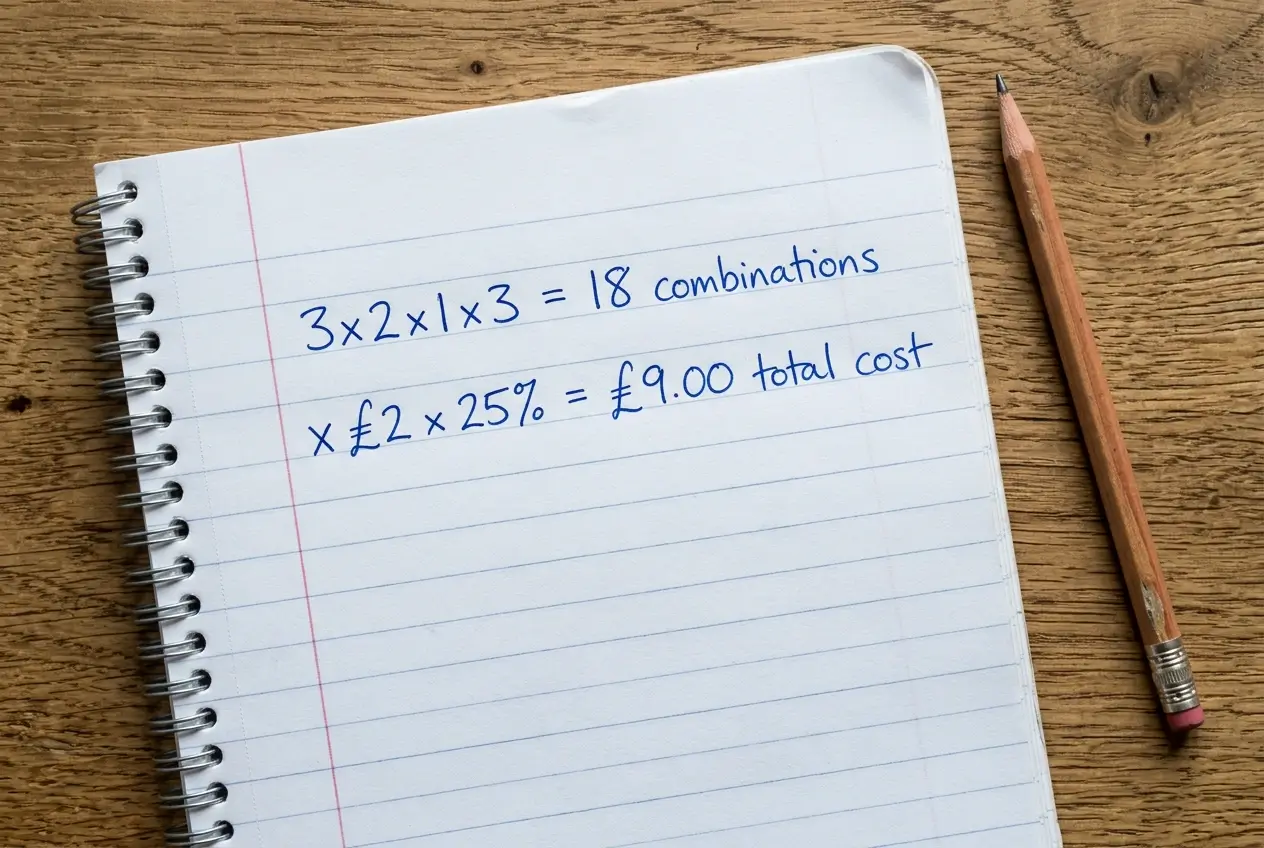
The return calculation mirrors this exactly. The Tote Quadpot declares a dividend of £250 per £1 unit. You held the winning combination on a ticket with 81 combinations at 25% flexi. The declared dividend applies to one unit in the winning combination. Your flexi percentage means you hold 0.25 units in each combination. Return: 0.25 units x £2 minimum x £250 per £1 unit = £125. Without the flexi — at full unit — the return would be 1 unit x £2 x £250 = £500. The 25% flexi produced 25% of the full return, exactly as the mechanism promises.
One nuance: the £2 minimum unit stake. In UK pool betting, the declared dividend is per £1 unit, but the minimum stake is £2. This means a single-combination ticket at the minimum costs £2 and returns 2x the declared per-unit dividend. On a flexi ticket, the “unit” for calculation purposes is typically the £1 declared-dividend unit, and the flexi percentage is applied to the cost at the minimum stake level. The digital Tote interface handles this calculation automatically, showing you the total cost and expected return in real time as you adjust combinations and flexi percentage before confirming the bet.
Why flexi matters for pool strategy
The strategic importance of flexi betting goes beyond simple cost reduction. It changes the optimal coverage structure for any given budget. Without flexi, a punter with a £50 budget and a preference for wide coverage is constrained: 81 full-unit combinations at £2 each costs £162, which is over budget. They must either reduce combinations or don’t bet. With flexi, that punter can cover 81 combinations at 31% flexi for approximately £50, maintaining the full coverage structure at a proportionally reduced return. The coverage stays wide; the return scales down; the budget is respected.
This matters because pool betting’s value comes substantially from coverage — having the correct combination in your ticket when it comes up. A bet that’s too narrow in coverage, because the punter couldn’t afford full-unit coverage across their optimal structure, is worse than a wider-coverage bet at a lower flexi percentage. The flexi mechanism enables the optimal structure to be maintained within any budget, which is why it’s now considered essential rather than optional in serious pool betting.
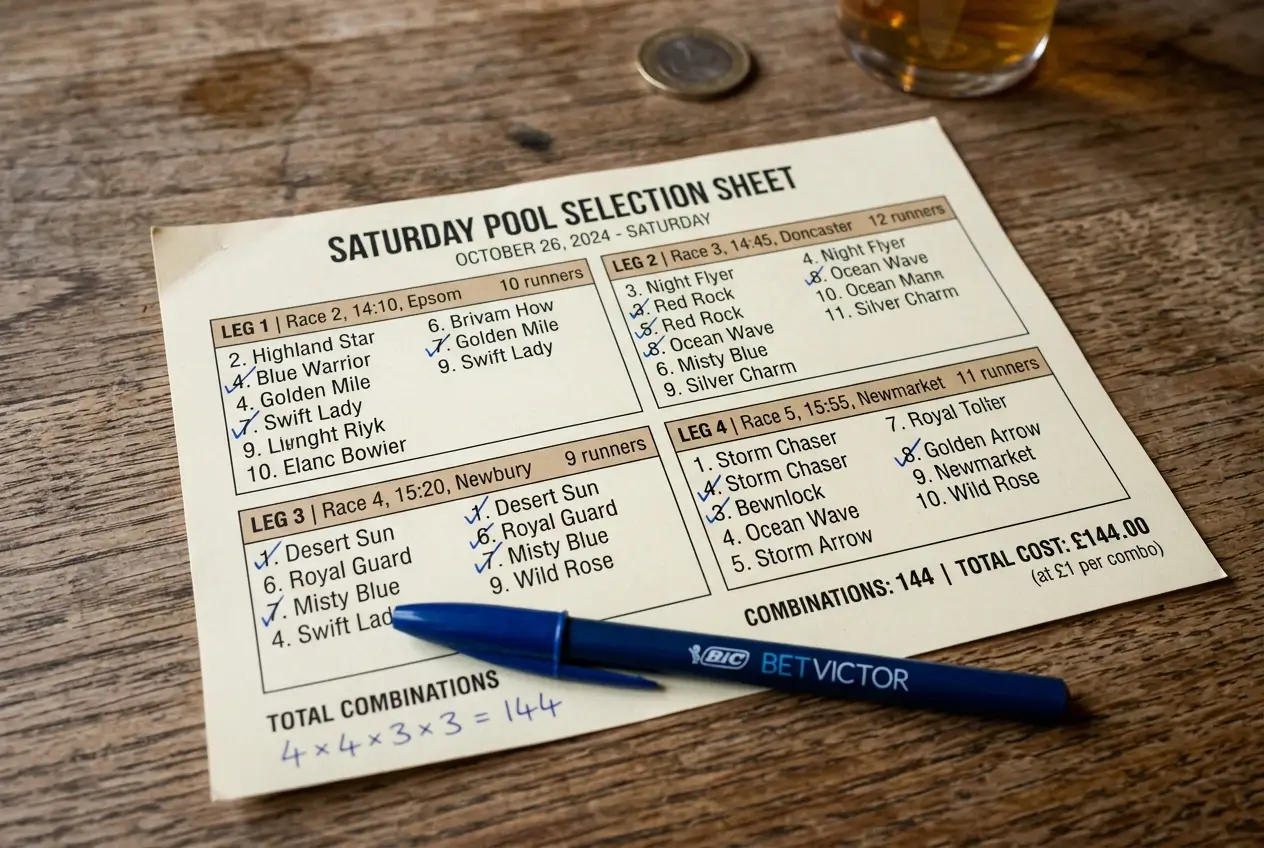
There is a common misconception that low flexi percentages are a sign of casual or uncommitted betting. In practice, many experienced pool punters deliberately take wide coverage at low flexi percentages on the logic that the value in pool betting is in having the correct combination — and a small share of a very large correct dividend is more valuable than a large share of a small incorrect dividend. A 5% flexi on a 200-combination ticket has 200 chances of survival. A 100% flexi on a 5-combination ticket has 5 chances. The same budget, radically different coverage profiles.
Flexi on major pool days
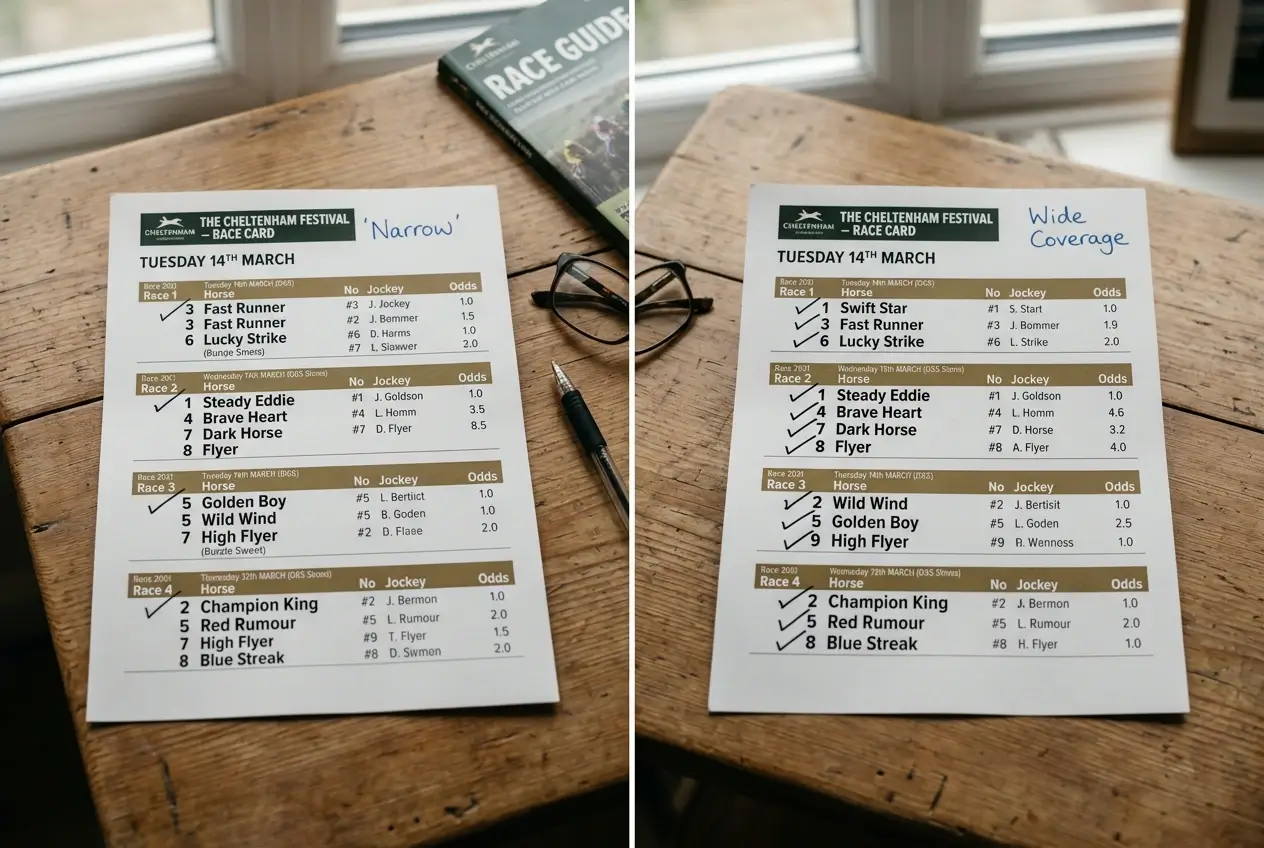
The relationship between flexi percentage and pool size becomes most significant on major race days with large guaranteed pools. On a Cheltenham Festival day with a £1,000,000 guaranteed Placepot pool, a 5% flexi on a 64-combination ticket costing £6.40 (64 x £2 x 5%) could, if the card is difficult enough, produce a return of 5% of several thousand pounds — easily into hundreds of pounds from a £6.40 investment. The flexi mechanism makes those major-day pool opportunities accessible to punters at any budget level, not just those who can afford full-unit coverage across wide combination structures.

The Tote Placepot’s five-year average dividend at Cheltenham exceeds £2,361. A punter with a 64-combination surviving ticket at 5% flexi on a day the Placepot pays £2,361 would receive 64 units x £2 per unit x 5% = 6.4 unit-equivalents, returning 6.4 x £2,361 = approximately £15,110. That’s from a £6.40 bet. The numbers illustrate why flexi betting at a low percentage on a major guaranteed pool is a structurally rational strategy — particularly for punters whose primary goal is coverage rather than maximising per-unit return from a small number of combinations. For the full combination and cost calculations that underpin any flexi structure, the quaddie calculation guide covers the arithmetic step by step. Where the percentage comes from: the cost arithmetic.
What does flexi betting mean?
Flexi betting means taking a fractional percentage of the full unit stake on each combination in your pool ticket. Instead of betting the full unit price per combination, you bet that fraction — 25%, 50%, or any other percentage — which reduces your total cost proportionally. If your ticket wins, you receive the same fraction of the declared dividend per unit. Flexi lets you cover more combinations within a budget by accepting a proportionally smaller return if you win.
How does flexi affect my return?
Your return is the declared dividend multiplied by the number of winning units you hold, which equals the number of combinations covered multiplied by your flexi percentage. A 25% flexi on one winning combination returns 25% of the full declared dividend per unit. The coverage structure — which combinations are included — is identical regardless of the flexi percentage you choose.
Is it better to bet lower flexi and cover more?
It depends on your goals. Wider coverage at lower flexi means more combinations are in your ticket, increasing your probability of survival. The trade-off is a smaller share of the dividend if you win. Many experienced pool punters prefer wider coverage at lower flexi — particularly on major pool days with large guaranteed dividends — because having the correct combination matters more than maximising per-unit return.
This material was created by the FourCast team.
Related posts

Quaddie Tips: How to Read, Judge and Use Daily Selections
Pool Betting vs Fixed Odds: Where the Value Evidence Points