
Melbourne Cup Quaddie: The Dividend Behind Racing’s Biggest Day
 Available in US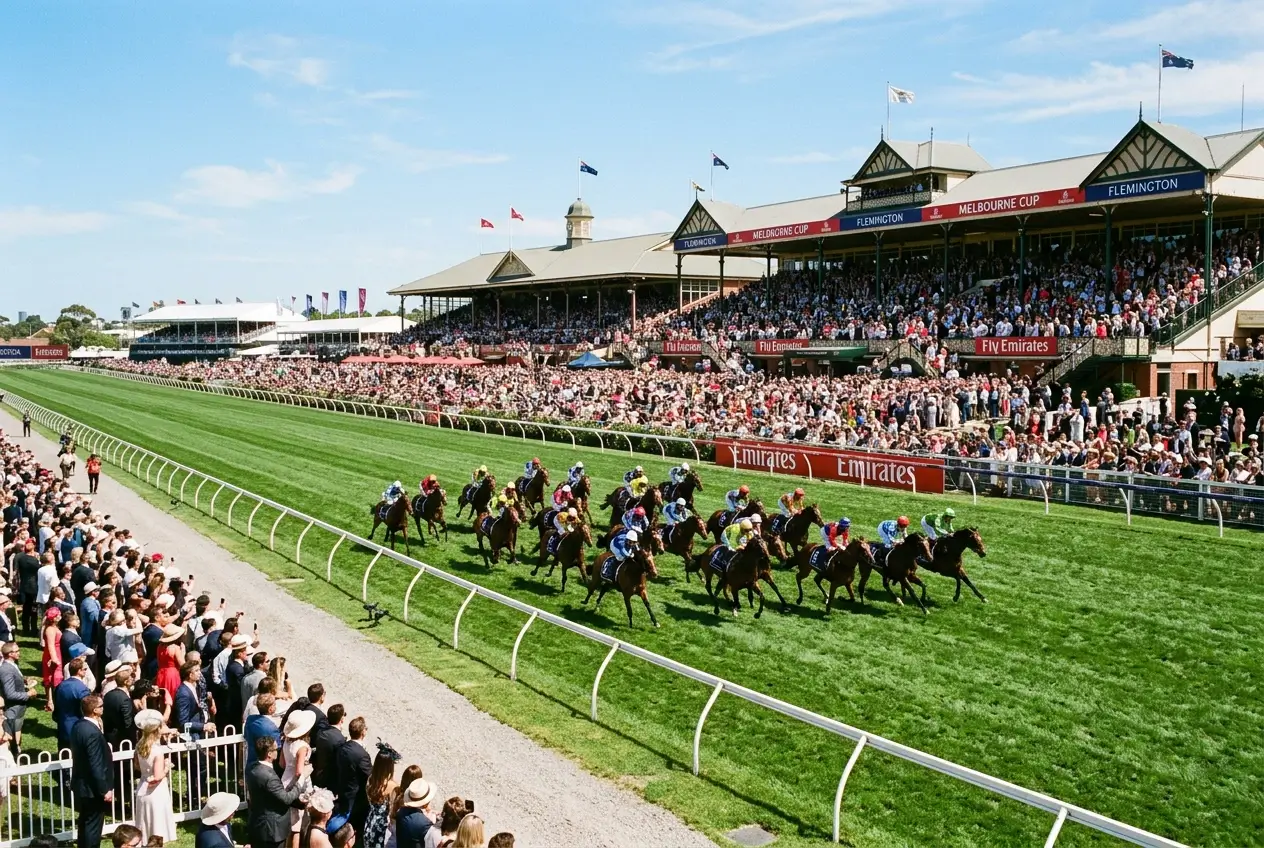
The day A$512,000 reminded punters what pool betting can do
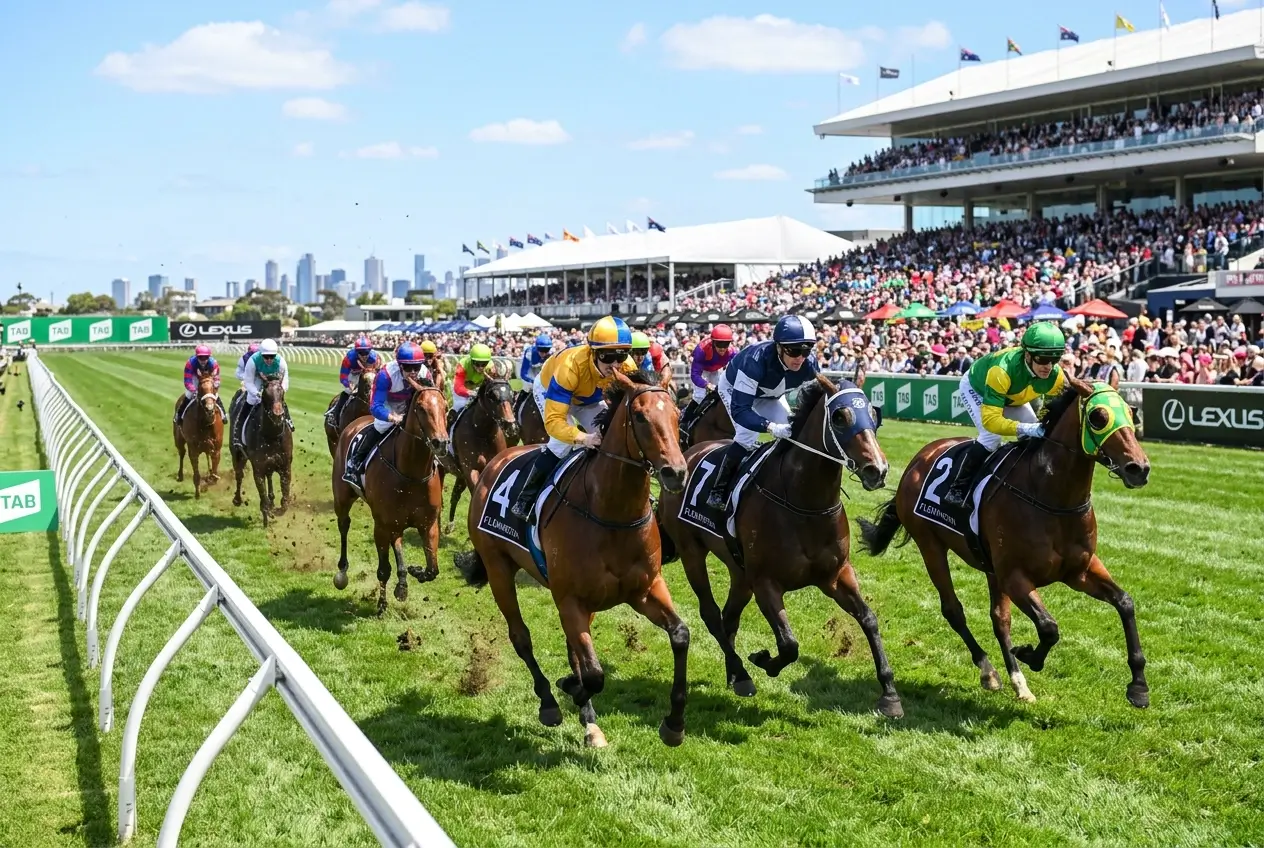
The 2024 Melbourne Cup quaddie paid A$512,000. To understand what that means in structural terms, you need to know who the four winners were: Knight’s Choice at $63, Catoggio at $35, Fancify at $6.30, and Bel Air at $12.40. Three of the four winners were at prices that most standard form analysis would not have prioritised as banker material. The combination of those four horses represented exactly the kind of outcome a pari-mutuel pool is designed to reward: a result that the crowd got wrong, producing a prize distributed among the small minority who got it right. The Cup day quaddie is, year after year, one of the most closely followed pool events in the Australian racing calendar — and the 2024 result is a case study in why. The full picture is in our complete guide to quaddie betting.
The Melbourne Cup is run at Flemington Racecourse on the first Tuesday of November. The race itself — a 3,200-metre handicap for staying thoroughbreds, open to international horses — is the centrepiece of a full race day. The Cup day quaddie covers four of the races on that card, typically including the Cup itself as one of the legs. The pool collects turnover from across Australia and, increasingly, from international commingled markets. The combination of the Cup’s enormous public profile and the difficulty of the selection challenge produces pools and dividends that are genuinely exceptional by any standard.
The 2024 Cup day quaddie
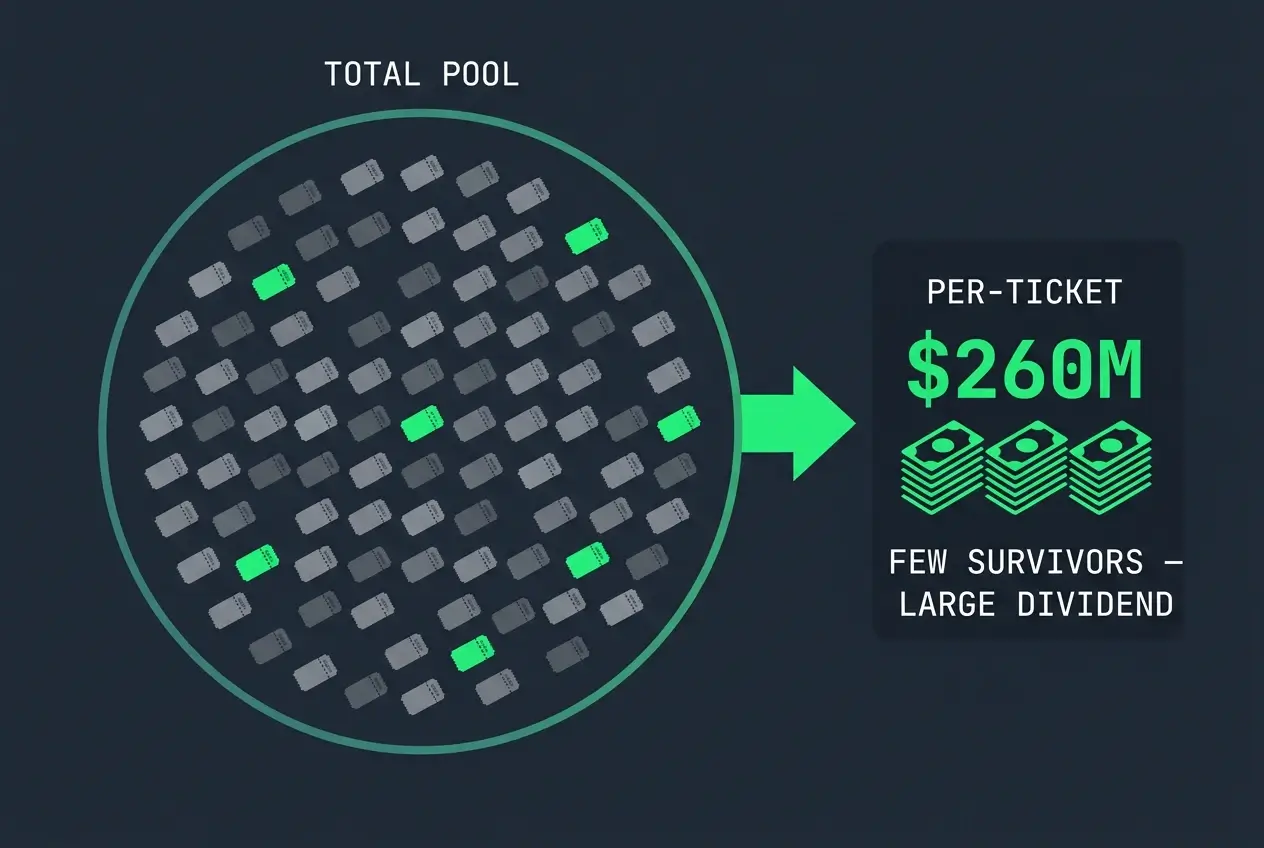
Breaking down the 2024 result illuminates how a A$512,000 dividend happens. The quaddie required four winners across four designated races. Three of those winners — Knight’s Choice ($63), Catoggio ($35), and Bel Air ($12.40) — were at prices suggesting they were not the consensus selections. Fancify ($6.30) was shorter but still not a market leader. The combination of three genuine roughies and one moderate-priced runner meant that very few tickets in the pool could have covered all four winners across all four legs. The large pool from Cup day’s turnover was therefore divided among a tiny number of winning tickets — and the per-ticket return reflected that scarcity.
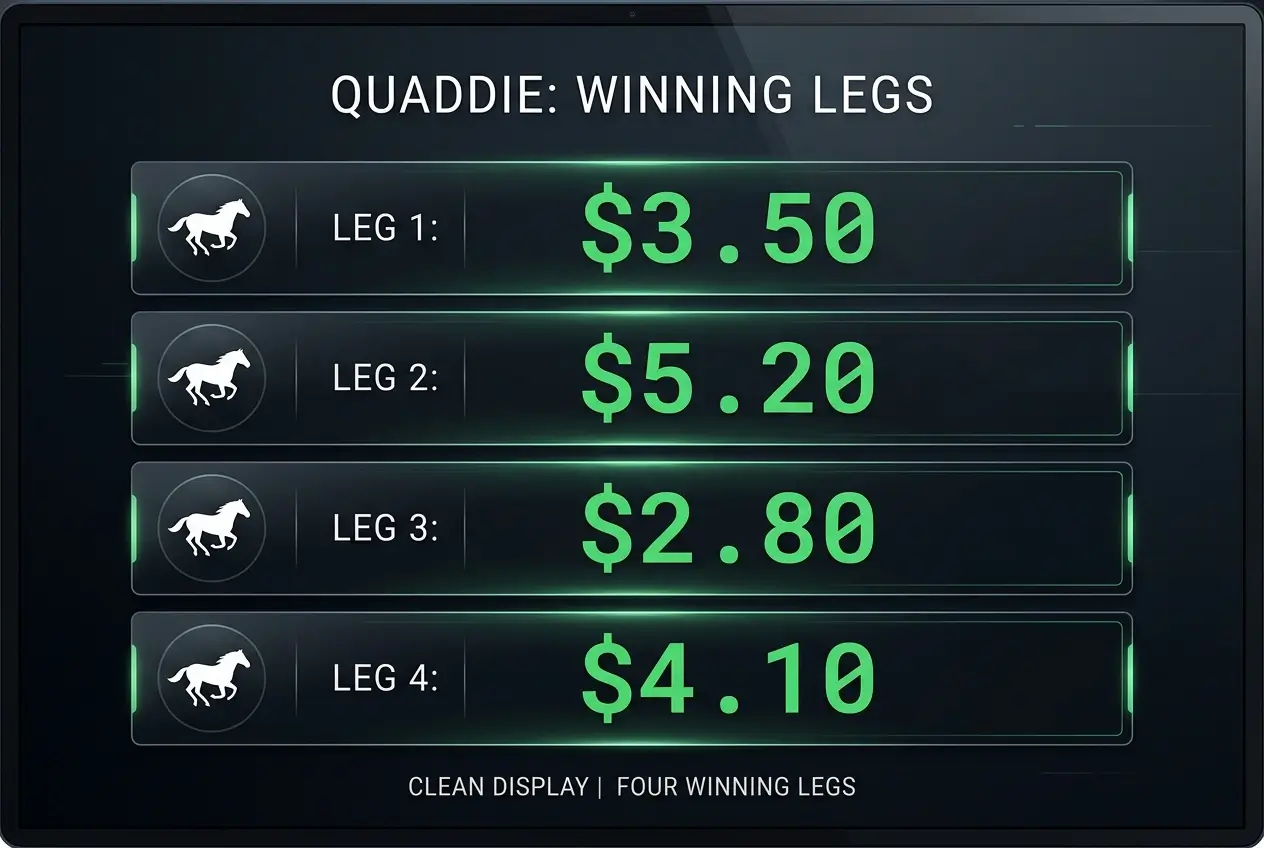
To contextualise the $512,000 figure: this was the declared dividend for a full unit of the quaddie. A punter who took a 12.5% flexi on the winning combination would have received A$64,000 — still an extraordinary return. A punter who took a 1% flexi would have received A$5,120. The flexi mechanism, which allows entry at a fraction of the full unit cost, means that even small investments in the correct combination produce meaningful returns when the dividend is at this level.
What made the 2024 Cup quaddie dividend particularly striking was how it compared to the full card returns. The First 4 — a separate pool requiring the first four finishers in the correct order in the Cup race itself — paid A$728,000. On the same card, a reported punter turned a $100 bet into A$3.2 million through a Ladbrokes multi, demonstrating that November at Flemington produces the conditions for exceptional returns across every format of racing bet.
The First 4 blowout
The First 4 dividend deserves its own attention. At A$728,000 for correctly predicting the first four finishers in order — a substantially harder proposition than picking four race winners — the return illustrates the difference between a four-leg multi-race pool (the quaddie) and a within-race exotic (the First 4). Both produced enormous dividends on the same day, but for different structural reasons.
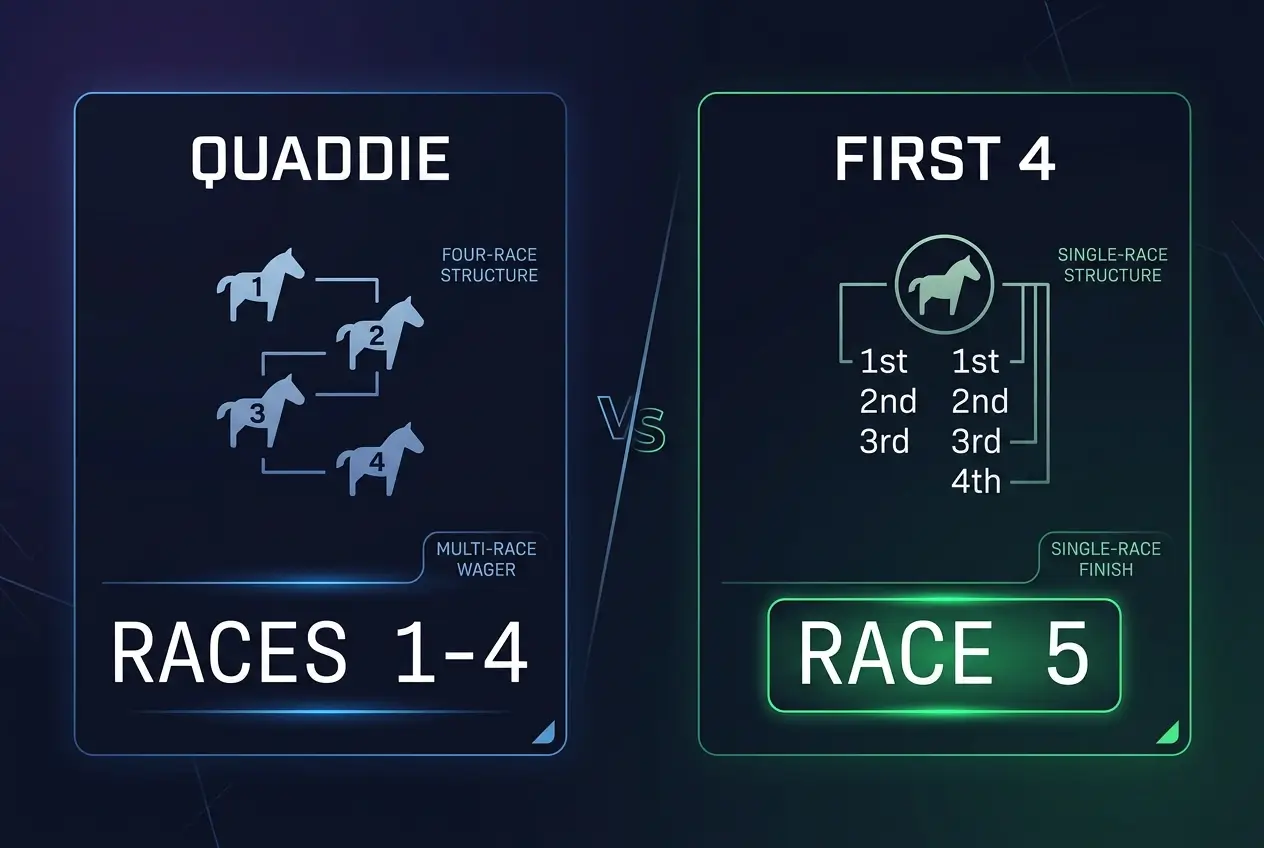
The First 4 is harder to win than the quaddie: you need the exact order of finish for four horses in one race, not merely the winner of each of four separate races. The difficulty justifies the potentially higher dividend, and in 2024 the A$728,000 First 4 exceeded the A$512,000 quaddie — though this relationship is not fixed. In years where the quaddie’s four races produce universally unexpected results while the Cup itself has a more predictable top four, the quaddie dividend can exceed the First 4 comfortably.
The comparison between the two products is instructive for pool betting strategy generally. A quaddie requires managing uncertainty across four separate races — each with its own field, its own form dynamics, and its own pool of public opinion. A First 4 concentrates all the uncertainty into one race but multiplies it by requiring a precise order. For most punters, the quaddie’s multi-race structure offers more decision points and more opportunities to find genuine form edges. The First 4’s single-race concentration makes it more lottery-like — harder to assess systematically, more dependent on the specific character of one race. For a deeper look at how extreme dividends happen structurally, the biggest quaddie payouts guide covers the mechanics behind record returns.
What Cup day teaches UK punters
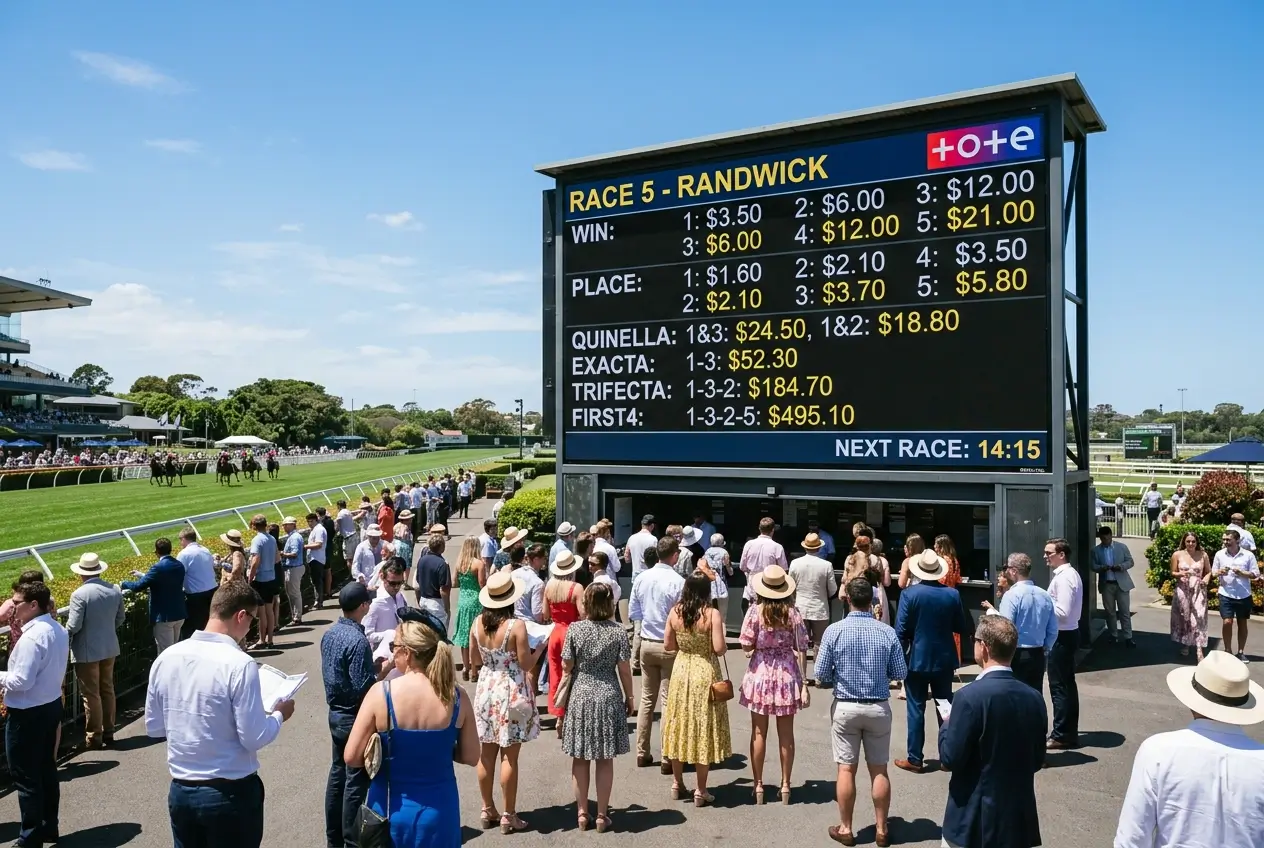
The Melbourne Cup quaddie is, for UK-based pool punters, partly an educational exercise and partly a reminder of what the format can produce at its best. Australian thoroughbred racing turnover on racing was approximately A$29 billion in the 2022 financial year — a market that funds deep, sophisticated pool products with pools that dwarf anything available in the UK for ordinary midweek racing. The Cup day quaddie operates at the extreme end of that market. The other record dividends: the biggest quaddie payouts.
The lesson for British pool punters is structural rather than specific. A quaddie or Quadpot dividend is ultimately determined by how many tickets hold the correct combination. When form produces unexpected results — multiple roughies winning, a day where the consensus was widely wrong — the dividend reflects the scarcity of correct tickets regardless of the absolute pool size. This same dynamic operates in UK pool products: a Placepot on a day where three consecutive 20-1 shots place will produce a very large dividend even with a modest pool, simply because very few tickets survive. The Cup day quaddie illustrates this principle at its most spectacular, but the mechanism is identical to what happens in British pool betting any day when the card throws up the unexpected.
What did the Melbourne Cup 2024 quaddie pay?
The Melbourne Cup 2024 quaddie paid A$512,000 for a full winning unit. The four winning horses were Knight’s Choice ($63), Catoggio ($35), Fancify ($6.30), and Bel Air ($12.40). Three of the four winners were at substantial prices, meaning very few tickets covered the complete winning combination, concentrating the large Cup day pool among a small number of winning tickets.
Which four winners made up the Cup day 2024 quaddie?
The four winners were Knight’s Choice at $63, Catoggio at $35, Fancify at $6.30, and Bel Air at $12.40 across four designated races on the 2024 Melbourne Cup day card at Flemington. The combination of three roughies and one moderate-priced winner produced the exceptional dividend by leaving very few correct tickets in the pool.
Why was the First 4 even bigger than the quaddie?
The First 4 requires predicting the exact order of finish for the top four horses in a single race — harder than picking winners in four separate races. In 2024, the First 4 paid A$728,000 compared to the quaddie’s A$512,000, reflecting the greater difficulty of the First 4 structure and the specific results on the day. The relationship varies by year depending on how the Cup race’s top four finishers were distributed across the betting market.
This material was created by the FourCast team.
Related posts

Quaddie Tips: How to Read, Judge and Use Daily Selections
Pool Betting vs Fixed Odds: Where the Value Evidence Points