Quaddie Banker: Using a Single Standout to Free Up Your Budget
 Available in US
The moment a short-priced certainty becomes the most valuable thing in your ticket
Eight years of pool betting have taught me that the most productive thing a short-priced favourite can do for your quaddie is not win at a useful price — it’s give you permission to stop worrying about that leg entirely. As Alex Frost, Chief Executive of the UK Tote Group, has spoken about the value that pool betting delivers for customers: that value doesn’t come from backing favourites at low prices, it comes from the structural efficiency of how pools distribute money. A banker gives you that efficiency by compressing one leg to a single combination, which frees every combination unit you save for deployment in the legs where the form is genuinely open. That reallocation is where the real quaddie strategy lives. The full picture is in our complete guide to quaddie betting.
A banker — also called a standout or anchor leg — is a single selection in one leg of a quaddie or pool product. Instead of spreading two, three or four runners across a race, you commit to one horse and one horse only. If that horse wins, the leg is survived. If it loses, the ticket is dead. There is no middle ground and no insurance. The upside is the cost saving: a banked leg multiplies your combination count by 1 rather than 2, 3 or 4. In a four-leg quaddie, banking one leg and spreading the other three makes the ticket dramatically cheaper than spreading all four.
What a banker does to the cost
The arithmetic of the banker is exactly as straightforward as it sounds, which is part of its appeal. Consider a quaddie where you have the following selections per leg: leg 1 = 1 (banker), leg 2 = 3, leg 3 = 3, leg 4 = 3. The combination count is 1x3x3x3 = 27. At the £2 Tote minimum per unit, the ticket costs £54. Now compare that to a structure without the banker — say, 2x3x3x3 = 54 combinations, which costs £108 at the same unit stake. Banking one leg halved the cost while maintaining the same spread across the other three legs.
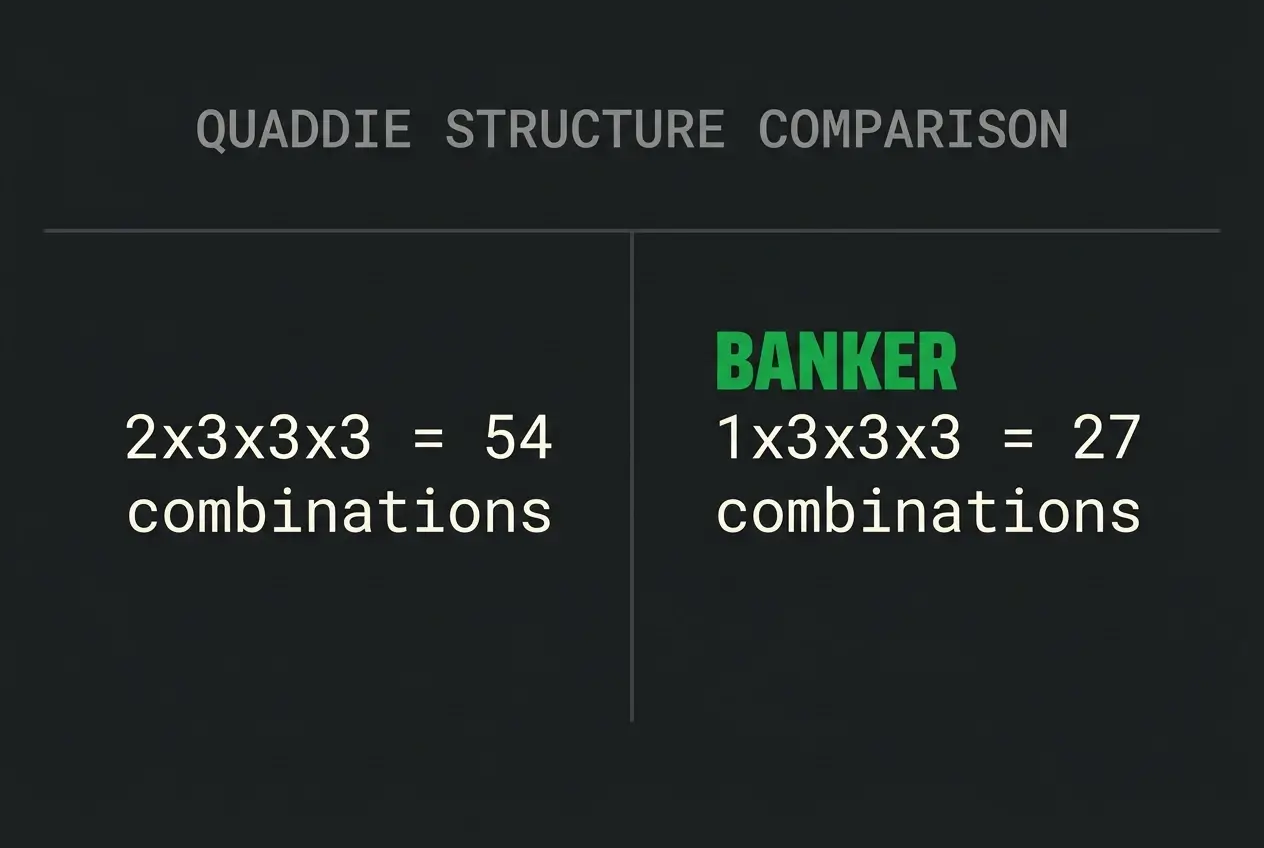
Scale that effect across different scenarios. A 3x3x3x3 structure (no bankers) = 81 combinations, costing £162 at £2 per unit. Bank one leg (1x3x3x3) = 27 combinations, costing £54. Bank two legs (1x1x3x3) = 9 combinations, costing £18. Bank three legs (1x1x1x3) = 3 combinations, costing £6. Each banker cuts the combination count by a factor equal to the number of selections that were in that leg. On a leg you were going to cover with three selections, banking saves you two-thirds of that leg’s cost.
The savings become the budget for wider coverage elsewhere. If banking leg 1 saves you £54 (compared to a two-runner spread in that leg), you could take that saved budget and add a fourth runner to leg 3 — changing 1x3x3x3 = 27 combinations to 1x3x4x3 = 36 combinations at the same total cost as 2x3x3x3. You’ve improved your coverage in a genuinely difficult leg without spending an extra penny, simply by redirecting the savings from the banker.
Choosing a leg to bank
The horse you choose to bank should, in your honest assessment, win its race more often than it doesn’t. That sounds obvious, but punters regularly bank horses at 6-4 or 7-4 that have meaningful chances of being beaten — not because those horses are bad bets, but because at those prices the race has genuine alternatives worth considering. Banking a 6-4 shot in a competitive handicap requires genuine conviction. Banking a 1-3 favourite in a five-runner conditions race is a substantially different proposition.
Experienced pool punters tend to bank on the basis of structural certainty rather than price. A horse going off at 1-2 in a field of three, in a race where the form lines point to one clear outcome, is a better banker candidate than a 2-1 favourite in a ten-runner handicap with several lightly-raced horses who could improve. The price is secondary to the degree of confidence — if you’re genuinely confident one horse wins, banking it is the correct structural decision regardless of its market position.
The form of the race matters too. Conditions races, maiden races with a strong form horse, or races where one runner has a substantial fitness advantage over the field are natural banker races. Open handicaps, competitive fillies’ races, and races with several unexposed horses are poor banker races — the structural uncertainty is too high to compress to a single selection without meaningful risk of ticket elimination. For the broader strategic context of how bankers fit into a complete quaddie approach, the quaddie strategy guide covers the coverage-versus-cost framework in full.
When a banker backfires
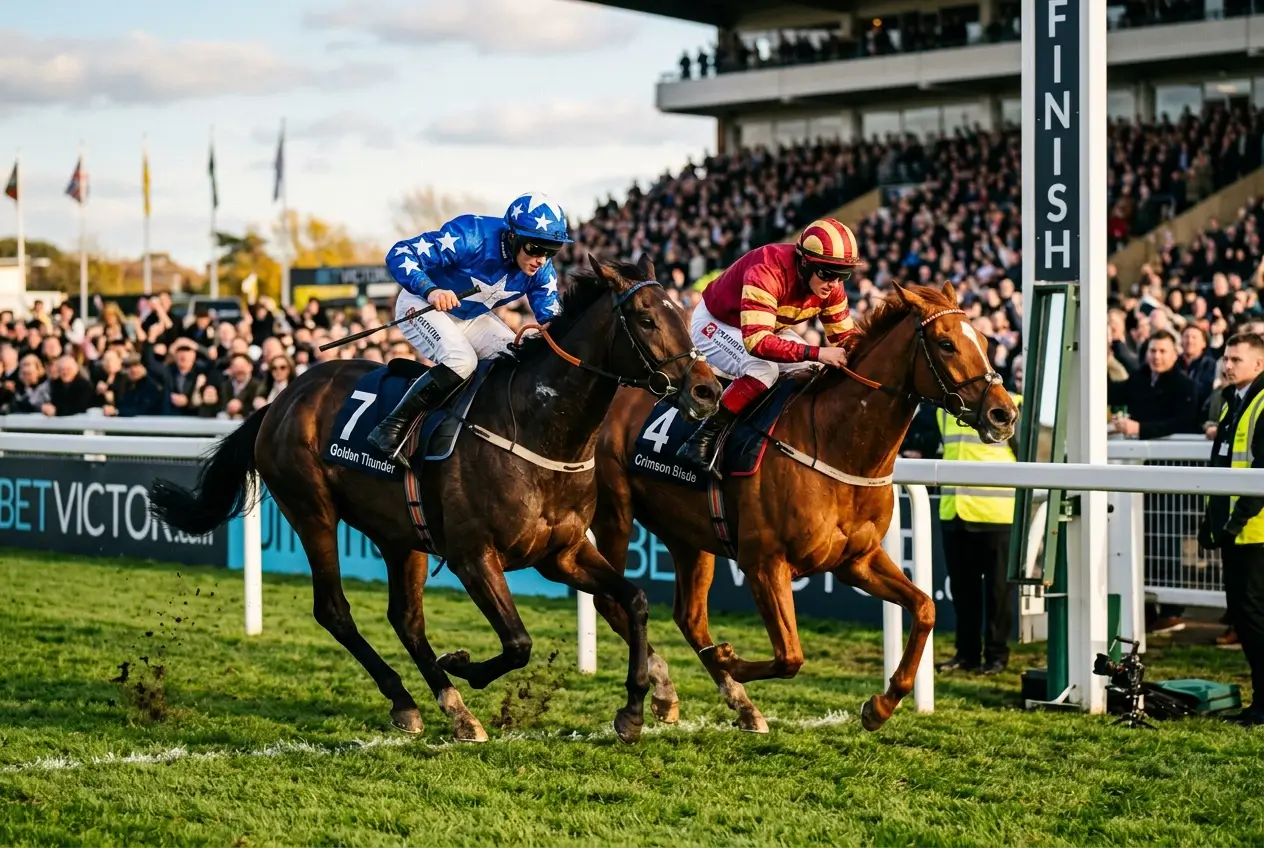
There are two ways a banker can destroy your ticket. The obvious one is the horse losing. A well-assessed banker runs third in a tight finish; the ticket is dead. The less obvious failure mode is the banker winning but the quaddie dividend being much lower than expected — because so many punters also banked the same horse, the winning pool is crowded with people holding your combination, and the per-unit return is modest.

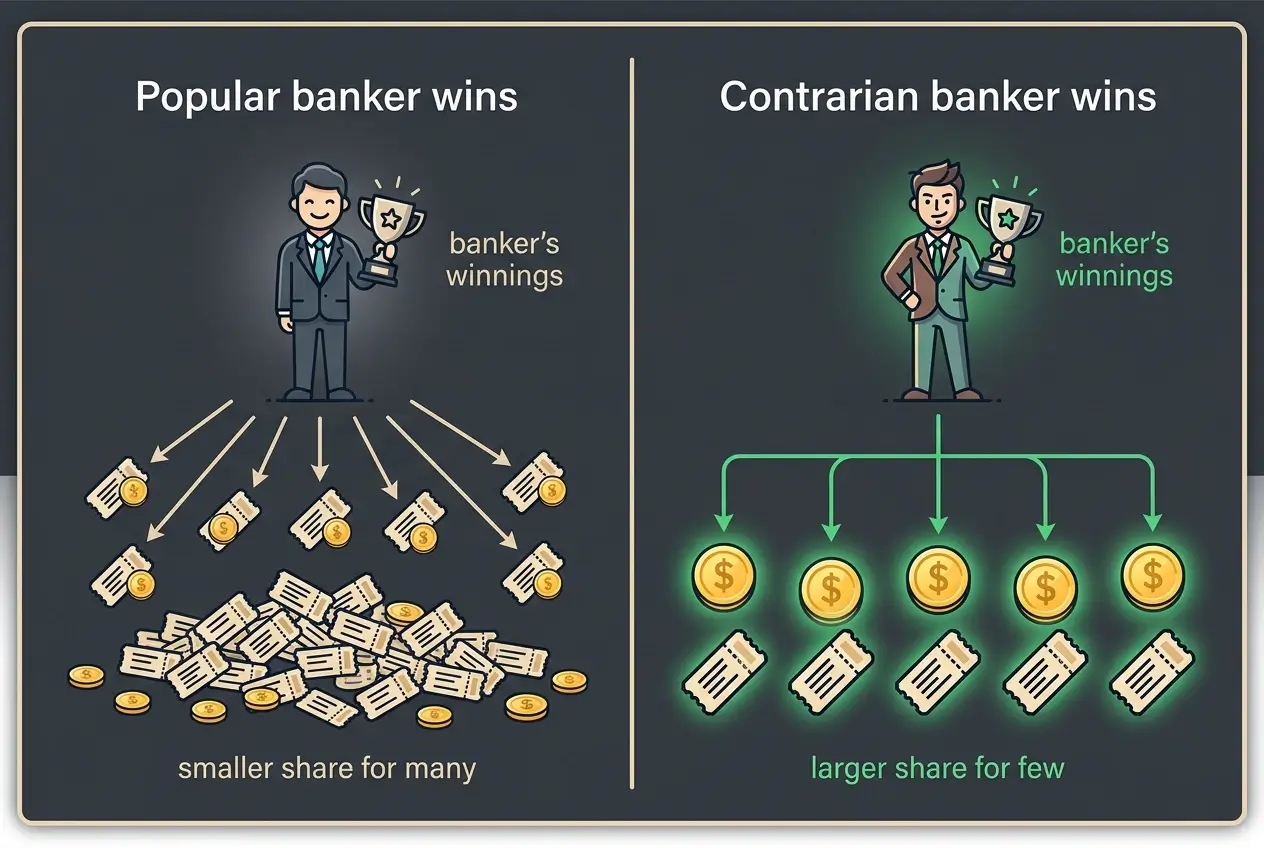
This second failure mode is subtler but real. In a small pool with a very short-priced banker — say, an evens-on favourite in an obvious race — the proportion of tickets that hold that banker will be high, simply because everyone analysing the card reaches the same conclusion. If the banker wins, the surviving tickets are heavily populated with punters who all took the same obvious approach. The remaining dividend is divided among that large crowd, and the per-unit return is depressed accordingly.
The counterintuitive implication is that on days where the “correct” banker is obvious to everyone, the structural value of banking that horse decreases. You save cost, yes — but the dividend you share if the rest of the quaddie comes together is smaller than it would be if the banker were a slightly more contrarian choice. This is one of the more interesting strategic tensions in pool betting: the correct analytical choice and the commercially optimal choice are not always the same horse. Banking the 5-4 favourite that 70% of the pool has taken eliminates 70% of the pool’s tickets from one result, but the surviving 30% still share a pool that was dominated by one consensus view. Banking a 3-1 horse that only 30% of the pool has taken eliminates 70% of tickets and leaves a more generously distributed dividend among the survivors. The wider ticket-building method: quaddie strategy.
What does ‘banking’ a leg mean in a quaddie?
Banking a leg means choosing just one selection in that race rather than spreading across multiple runners. Your entire ticket depends on that single horse winning. If it wins, the leg is survived and your other combinations remain live. If it loses, the ticket is eliminated. The benefit is a significant reduction in combination count and cost for that leg.
Should the banker be the favourite?
Not necessarily. The banker should be the horse you’re most confident will win — which is often the favourite but not always. A 2-1 shot in a tight handicap might be a poor banker candidate despite being the market leader. A 5-4 shot in a race with three runners and clear form might be an excellent banker. Confidence in the selection matters more than its price.
How much does one banker cut my quaddie cost?
It depends on how many runners you were going to cover in that leg. Banking a leg where you had three selections reduces your combination count by two-thirds compared to using all three. Banking a leg where you had four selections reduces it by three-quarters. For a standard 3x3x3x3 = 81 combination structure, banking one leg converts it to 1x3x3x3 = 27 combinations — one third of the original cost.
This material was created by the FourCast team.
Related posts

Quaddie Tips: How to Read, Judge and Use Daily Selections
Pool Betting vs Fixed Odds: Where the Value Evidence Points