
Quaddie Rollover: What Happens When the Pool Isn’t Won
 Available in US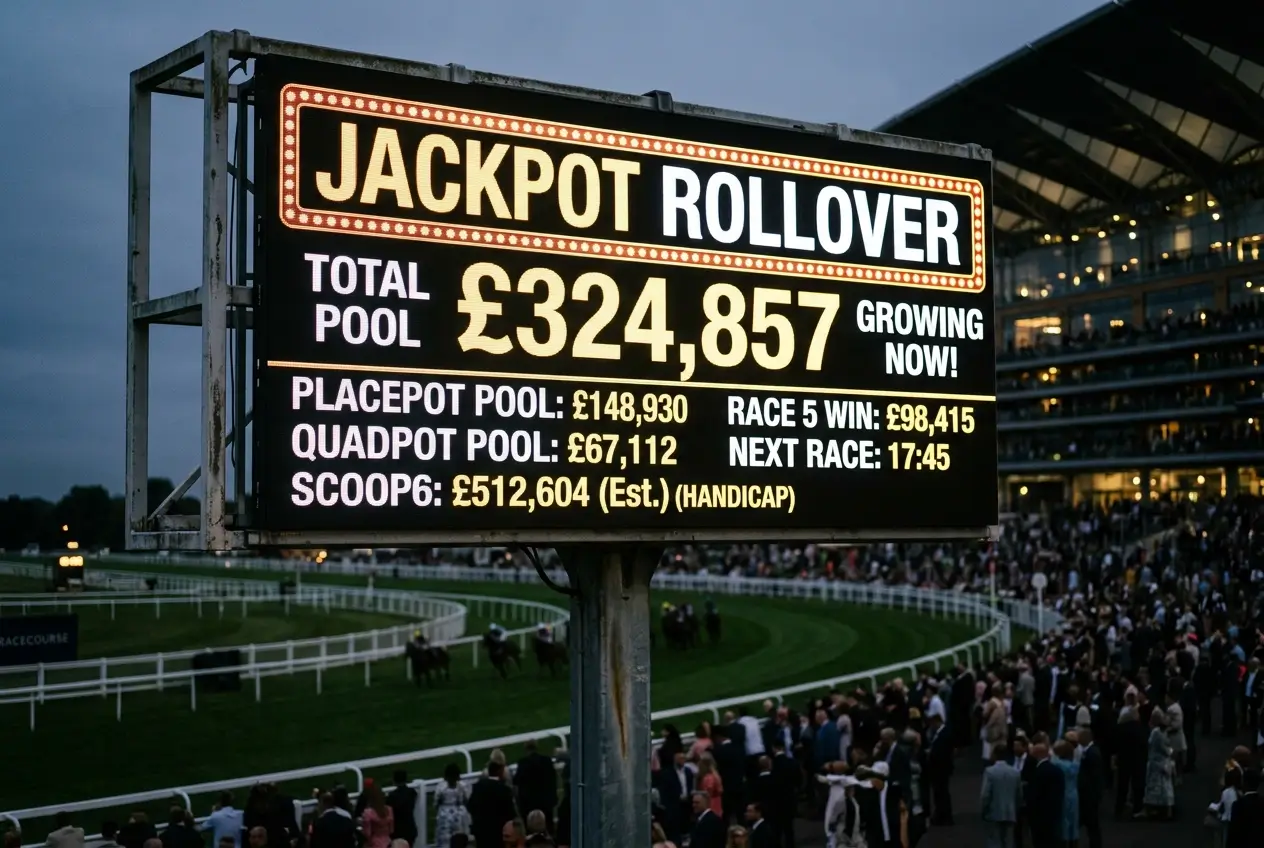
The pool that refused to be claimed — and what it became
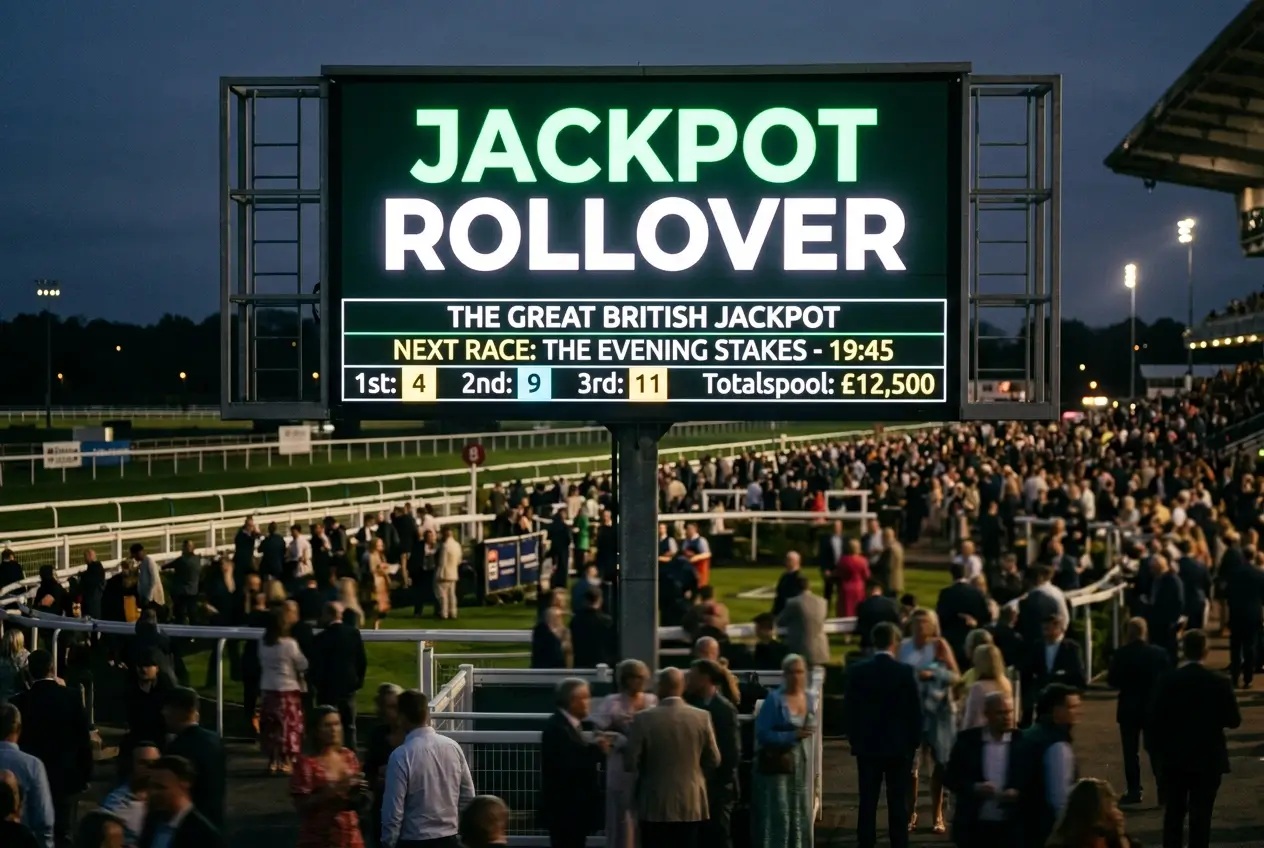
I followed a Tote Jackpot pool for most of October 2023 as it rolled over week after week. By the fifth meeting without a winner, the accumulated pool had reached a figure that made it the most valuable pool product available that day by a substantial margin. It’s one of those situations where the difficulty of the product — six winners required, no consolation tiers in the standard Jackpot — works paradoxically in the punter’s favour. The harder it is to win, the longer the pool rolls, the bigger the prize becomes, and eventually the prize-to-difficulty ratio tips toward the punter who is prepared to put in the combination work. Understanding how carryover pools accumulate, and how to recognise when they’re worth targeting, is a skill that separates systematic pool punters from casual ones. The full picture is in our complete guide to quaddie betting.
A carry-over pool — also called a rollover pool — is a pari-mutuel pool where the undistributed portion rolls forward to the next meeting when no winning ticket is held. Instead of the pool being settled on the day (as in a terminating product), any balance left after failed attempts to claim it is held by the operator and added to the pool for the following designated meeting. The accumulated pool sits there, growing with each rollover, until a ticket finally holds all the correct selections and claims it.
How a pool carries over
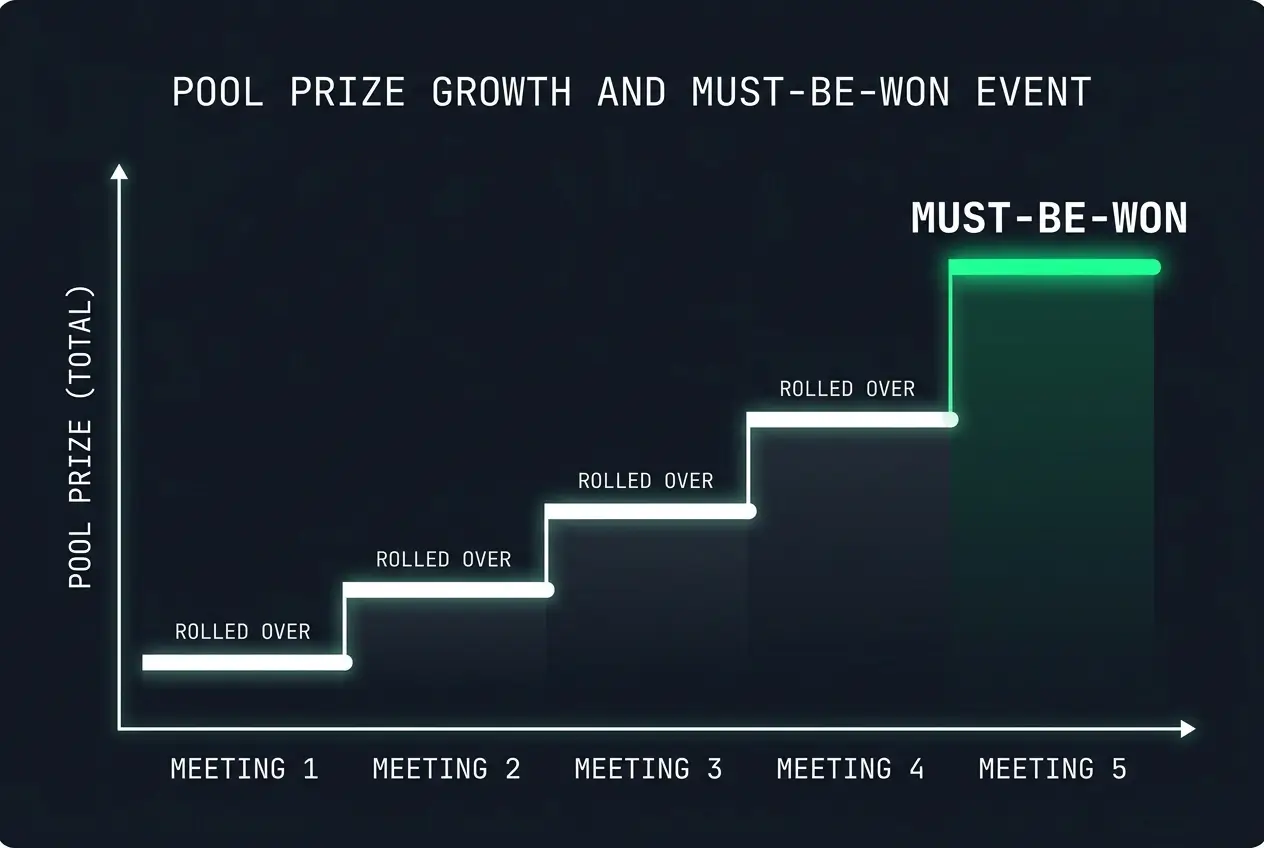
The mechanics are more transparent than many punters realise. When no winning ticket is held at a meeting, the operator holds 100% of the net pool balance — the amount after takeout has already been collected. That carryover balance is ring-fenced: it cannot be used for operating costs, it cannot be redistributed, it simply waits. At the next designated meeting, the carryover joins the fresh pool — the current meeting’s turnover, again after takeout — to form the total pool available for that day’s winners.
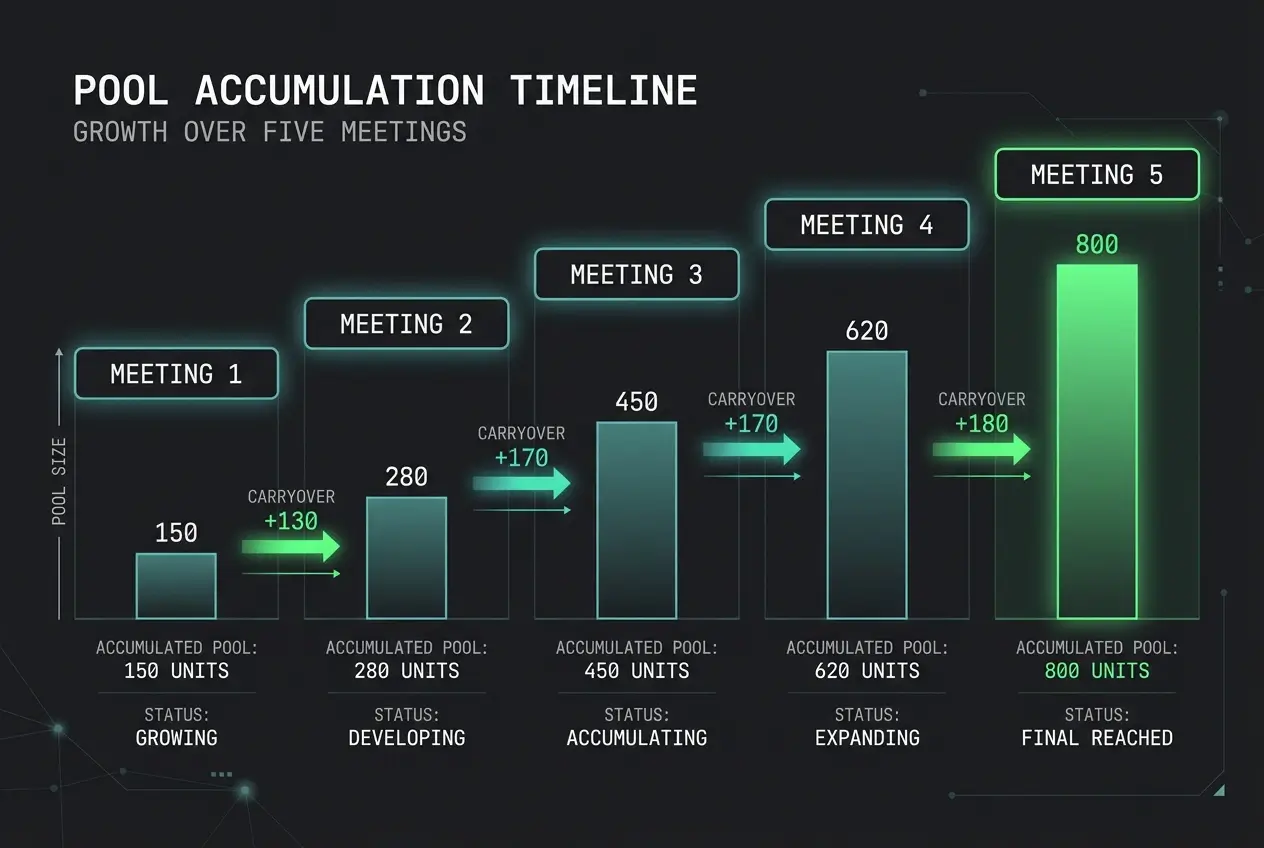
This structure means the prize grows in a specific way: the carryover carries only the net pool from previous meetings. The takeout has already been collected on those earlier meetings. When new turnover is added, takeout is collected on that new money too. The result is that the accumulated carryover is “clean” money — fully net of previous commission charges — while the fresh turnover contributes its post-takeout share. On a large carryover pool with substantial new turnover, the effective value is genuinely substantial.
The Tote Placepot’s daily guaranteed minimum of £50,000 — rising to £1,000,000 on major festival days — works differently from a carryover pool. The guarantee is a floor on the pool size, not an accumulated rollover. The Jackpot operates the true carryover mechanic, which is one of the reasons its prize potential is structurally unlimited in a way the Placepot’s is not. A Placepot dividend is bounded by the pool size on the day. A Jackpot carryover can, in principle, grow without limit until someone cracks it.
Seeded and must-be-won pools
Two variants of the carryover pool are worth knowing about. A “seeded” pool is one where the operator injects an initial amount into the pool at the start of a sequence — either to get a new pool product launched or to restart the pool after a previous claim. The seed acts as a base pool that fresh punter money is added to. From the punter’s perspective, a seeded pool is attractive because you’re participating in a pool with guaranteed depth from the start, rather than entering on a meeting where the pool might be very thin because the previous meeting’s carryover was modest.
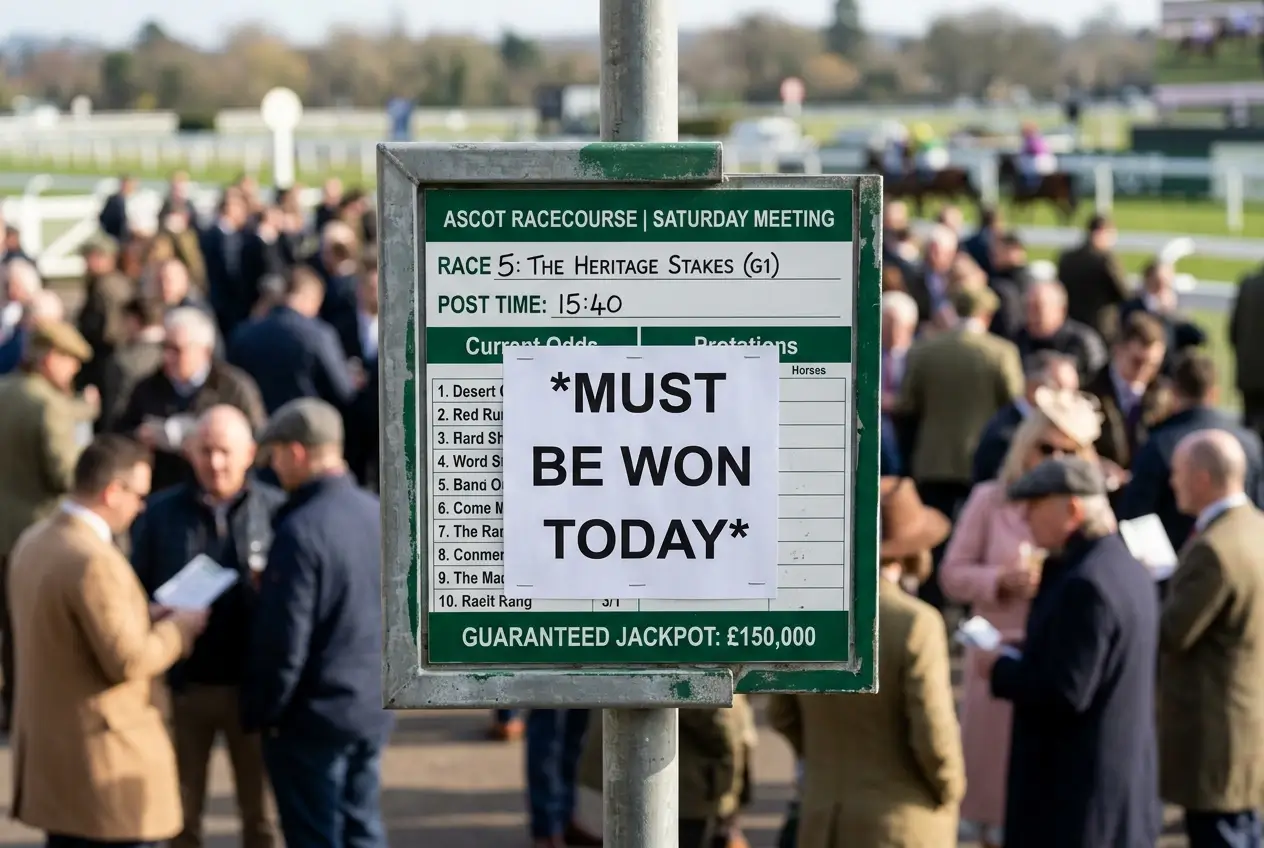
A “must-be-won” pool is a carryover pool that has been designated by the operator as one that will pay out in full on a specific day, regardless of results. On a must-be-won day, if no ticket holds all the correct selections, the pool cascades to consolation tiers and pays out completely — it doesn’t carry over again. Must-be-won days are typically announced well in advance and coincide with major meetings where strong turnover is expected. They create a specific incentive to enter that meeting’s pool, knowing that the accumulated value will definitely be distributed on that day.
The must-be-won designation is particularly relevant for pools that have been rolling for several meetings. A large accumulated Jackpot pool that is designated must-be-won attracts significantly higher turnover — because punters who wouldn’t normally enter a complex multi-leg product are drawn in by the combination of a large prize and the certainty of distribution. That additional turnover further inflates the pool, which in turn creates a positive feedback loop of attention, entry, and pool size on must-be-won days.
Why rollovers create value
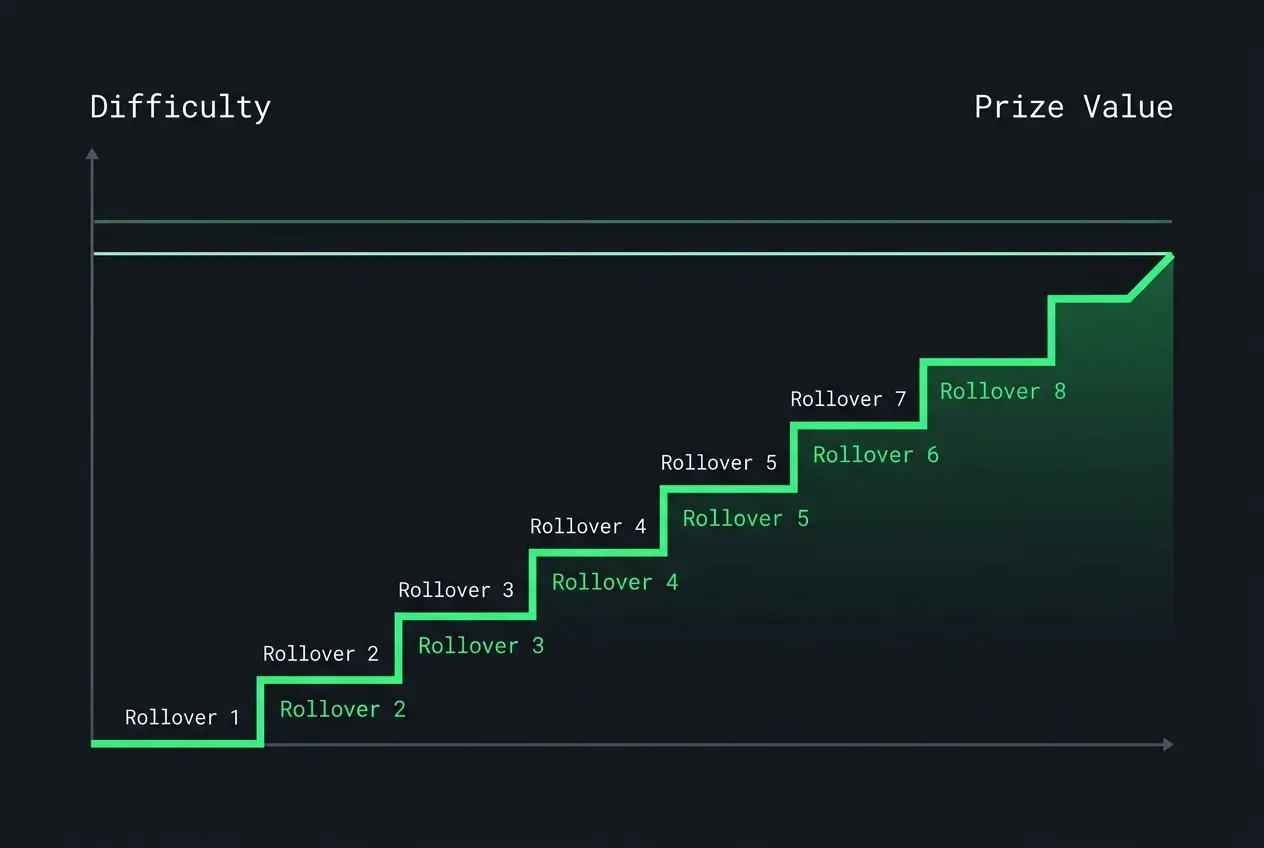
The value argument for carryover pools is conceptually simple but worth articulating precisely. In a pool that resets to zero after every meeting, the prize is bounded by the turnover from a single card. In a carryover pool, the prize can accumulate across multiple meetings — adding the prize pools of several days into one. But the difficulty of winning — the number of correct selections required — doesn’t change with the carryover. You still need all six winners in a Jackpot, whether the pool is fresh or has rolled six times. The same difficulty, a potentially much larger prize: that’s the value argument in one sentence.
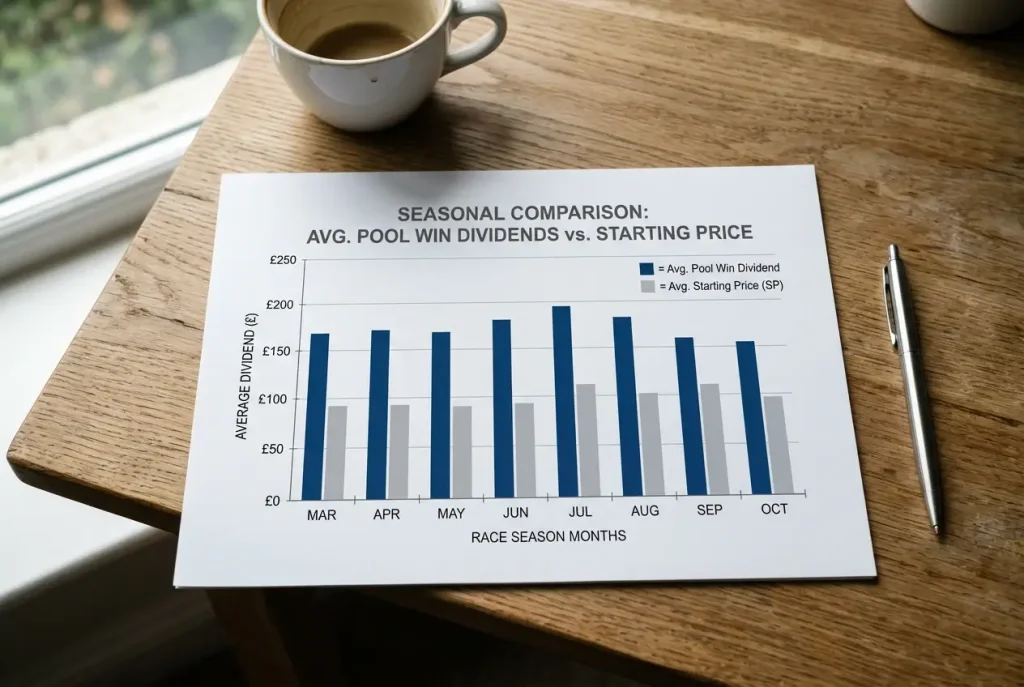
In Tote pool betting in the UK, the evidence on pool-versus-Starting-Price returns supports the general case for Tote pool value. On World Pool days in Britain and Ireland in 2025, a £1 Tote bet on each winner produced £171.44 more than the same stake at industry Starting Price across the same races. That’s a demonstration of how pool betting — with its large, internationally diverse pool from commingled jurisdictions — can outperform the fixed-odds market. A carryover pool amplifies that effect by concentrating a larger prize into a single meeting’s draw. The pool that must pay out instead: the terminating quaddie.
For British pool punters, the discipline is to track carryover pool sizes and target those meetings where the accumulated value makes the cost of wider coverage proportionate to the potential return. A fresh Jackpot pool with modest turnover is not a compelling product unless you have very high conviction on the day’s card. An accumulated Jackpot pool sitting at a large figure, on a must-be-won meeting with a strong card, is an entirely different proposition — and deserves the same careful combination planning that any serious pool bet requires. For more on how the commingled World Pool adds further depth to major British race days, the World Pool guide explains the mechanics and value evidence in detail.
What is a carry-over pool?
A carry-over pool is a pari-mutuel pool where the undistributed balance rolls forward to the next designated meeting when no winning ticket is held. The operator ring-fences the net pool balance, adds it to the next meeting’s fresh turnover, and the combined amount becomes the prize for the next attempt. The pool accumulates until someone claims it.
Are rollover days better value?
Generally, yes — the same bet difficulty produces access to a larger prize on a rolled-over pool. Since the number of correct selections required doesn’t change with the carryover, an accumulated pool represents genuinely better prize-to-difficulty value than a fresh pool. The most favourable conditions are a large carryover combined with a must-be-won designation, which concentrates value into a single meeting.
What is a ‘must-be-won’ pool?
A must-be-won pool is a carryover pool that the operator has designated will pay out in full on a specific day regardless of results. If no ticket holds all the correct selections, the pool cascades to consolation tiers and distributes completely rather than rolling over again. Must-be-won days are announced in advance and typically fall on major race meetings.
This material was created by the FourCast team.
Related posts

Quaddie Tips: How to Read, Judge and Use Daily Selections
Pool Betting vs Fixed Odds: Where the Value Evidence Points