Tote Placepot Explained: Place a Runner in the First Six Races
 Available in US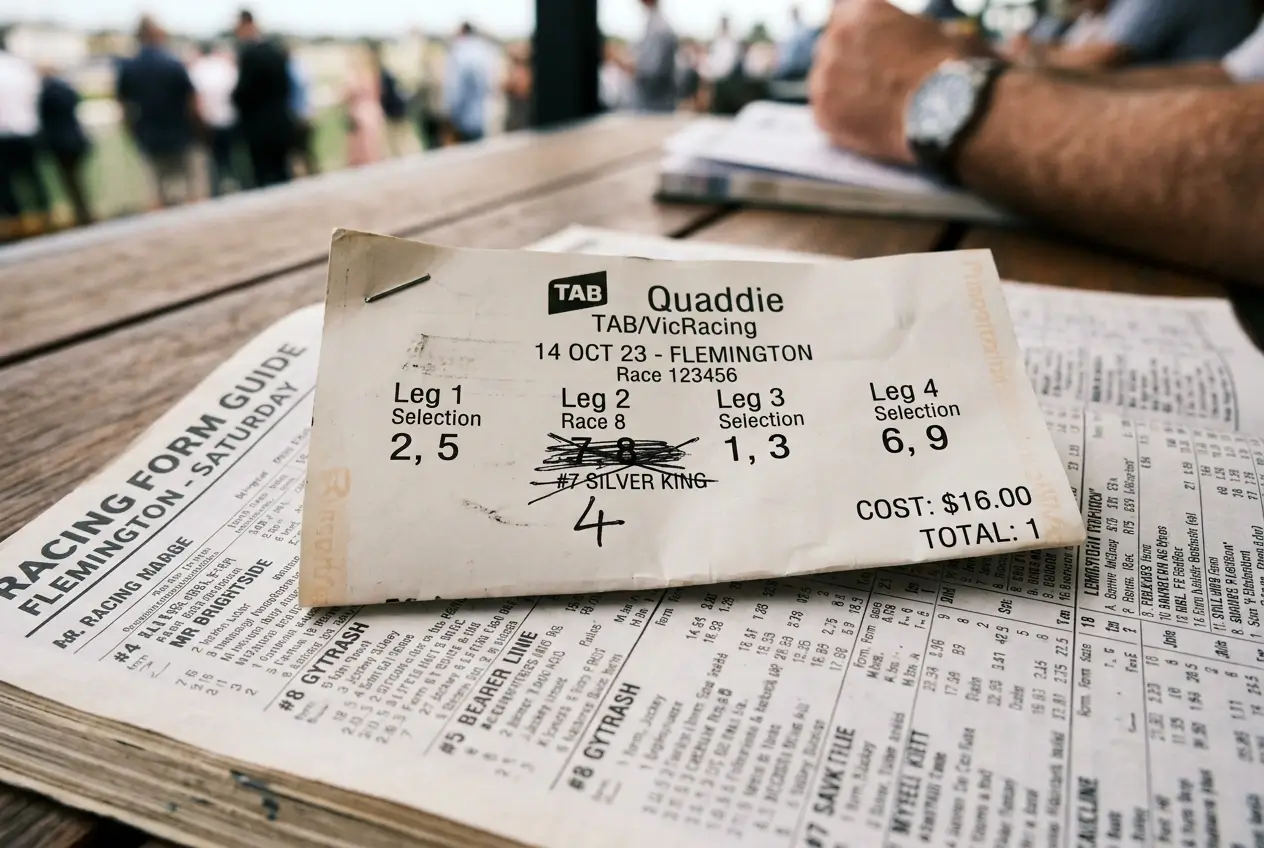
The bet that turns a full race card into one long-running puzzle
The first time I properly understood the Tote Placepot was not from reading a guide but from losing one by a whisker at Newmarket. I had five of six legs covered, with the sixth leg runner finishing fourth in a race that paid place terms to three. One position short. The pool that day paid several hundred pounds to a £2 stake. I mention this not for sympathy but because it illustrates the fundamental tension at the heart of the Placepot: it looks approachable — just get a placed horse in six races — until you realise how many ways there are to be undone by a single result. The full picture is in our complete guide to quaddie betting.
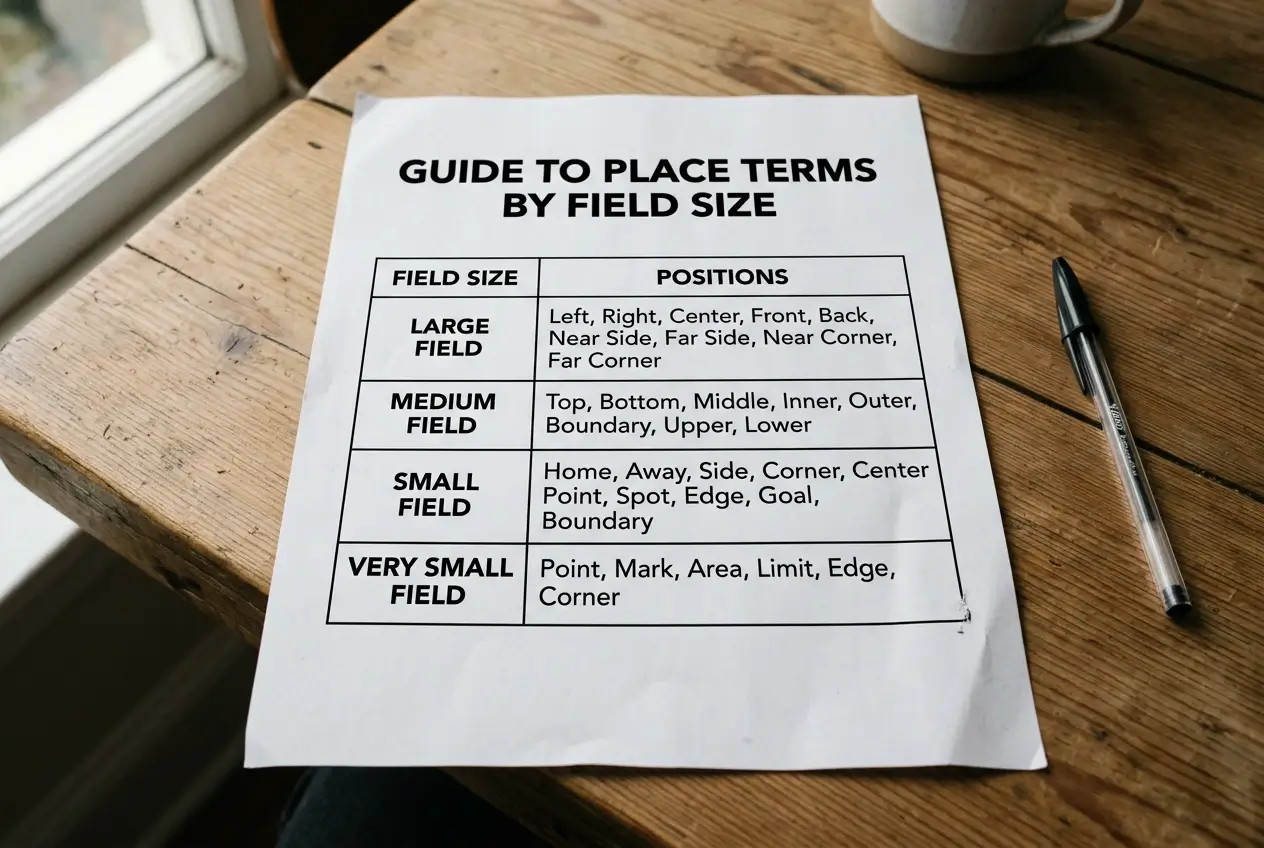
The Tote Placepot is the UK’s most popular pool bet, and for good reason. The mechanics are more forgiving than the quaddie-style win requirement: you need a placed runner in each of the first six races at a meeting, not a winner. What counts as “placed” depends on the race. In a field of five to seven runners, place terms pay to the first two. In eight or more runners, it’s the first three. In handicaps with sixteen or more runners, it extends to four places. That gradation of place terms is what gives the Placepot its distinctive character — a large handicap field offers four bites at the cherry, which meaningfully changes both your probability of survival and the structure of your ticket.
How the Placepot works
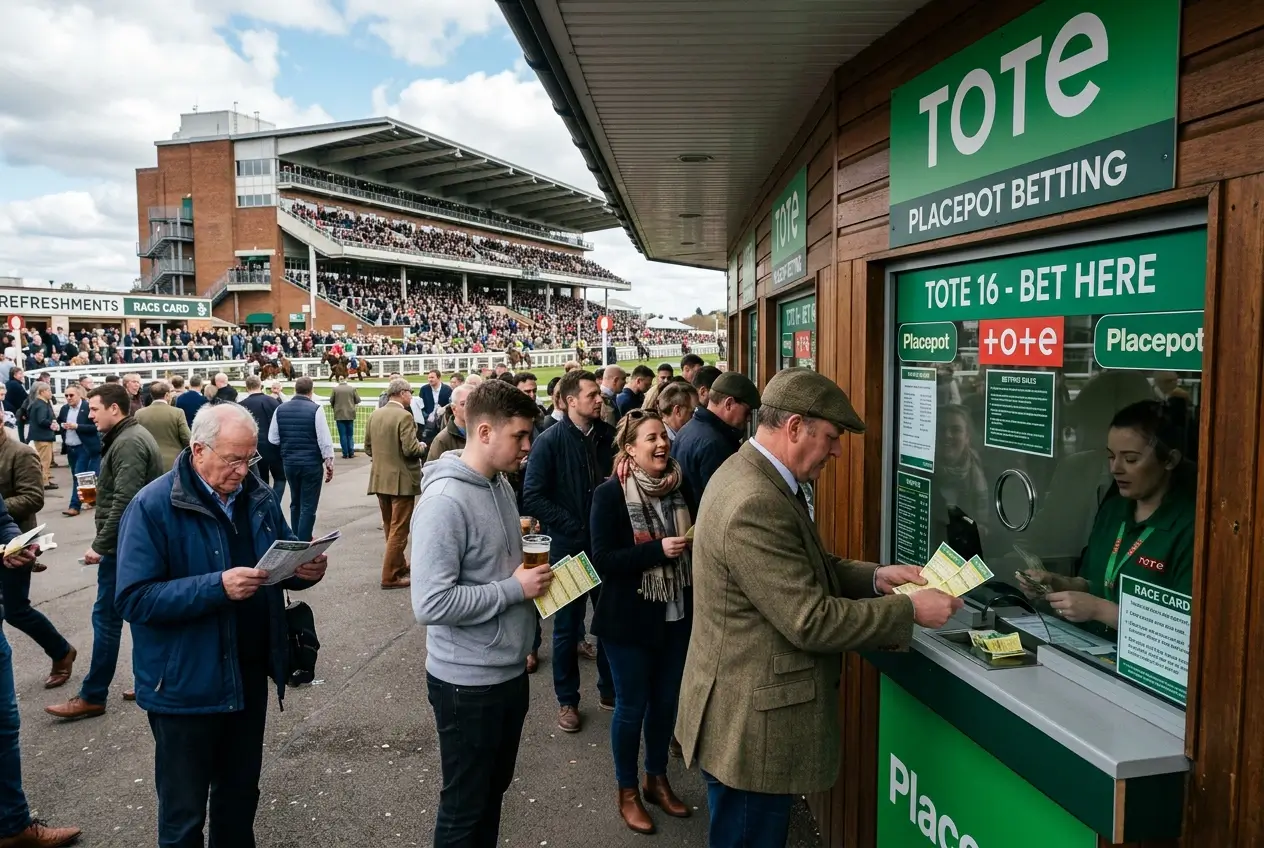
The structure is six legs, corresponding to the first six races on the card. Before the first race starts, you nominate one or more runners in each leg. Your ticket survives as long as at least one of your selections finishes in the places in each race. If all six legs produce a placed runner from your selections, you hold a winning ticket and share in the net pool. If any leg fails to produce a placed runner, your ticket is eliminated — there are no consolation tiers in the Placepot, unlike some Australian pool products.
The minimum stake is £2. That buys you one full-unit line — one selection per leg, covering the minimum possible number of combinations. With one runner per leg across all six legs, you have a 1x1x1x1x1x1 structure: a single ticket that either survives every leg or doesn’t. Most serious Placepot punters take more coverage than that. Adding a second selection in one leg costs £4 for the full ticket (two combinations). A structure with two runners in legs 1, 3 and 5 and one in legs 2, 4 and 6 produces 2x1x2x1x2x1 = 8 combinations and costs £16 at full unit.
The calculation framework for building a Placepot ticket is identical to the quaddie: multiply the selections per leg together to get your total combinations, then multiply by the unit stake. The difference is that you’re working across six legs rather than four, which means the combination count grows faster. A modest two-runner spread across all six legs produces 2x2x2x2x2x2 = 64 combinations and costs £128 at full unit. Flexi betting — taking a percentage of the dividend rather than a full unit — is the standard way to keep costs manageable while maintaining broad coverage.
Placepot pools and guarantees
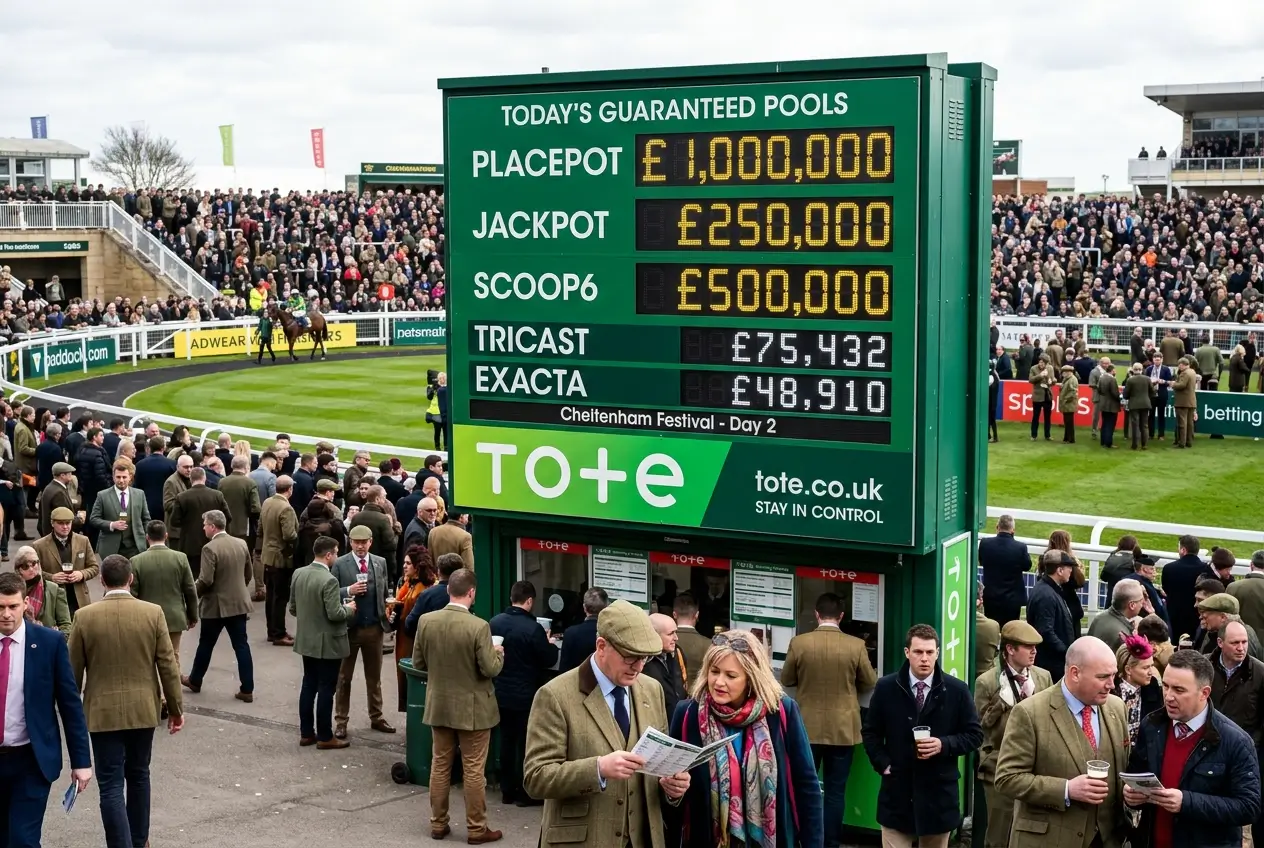
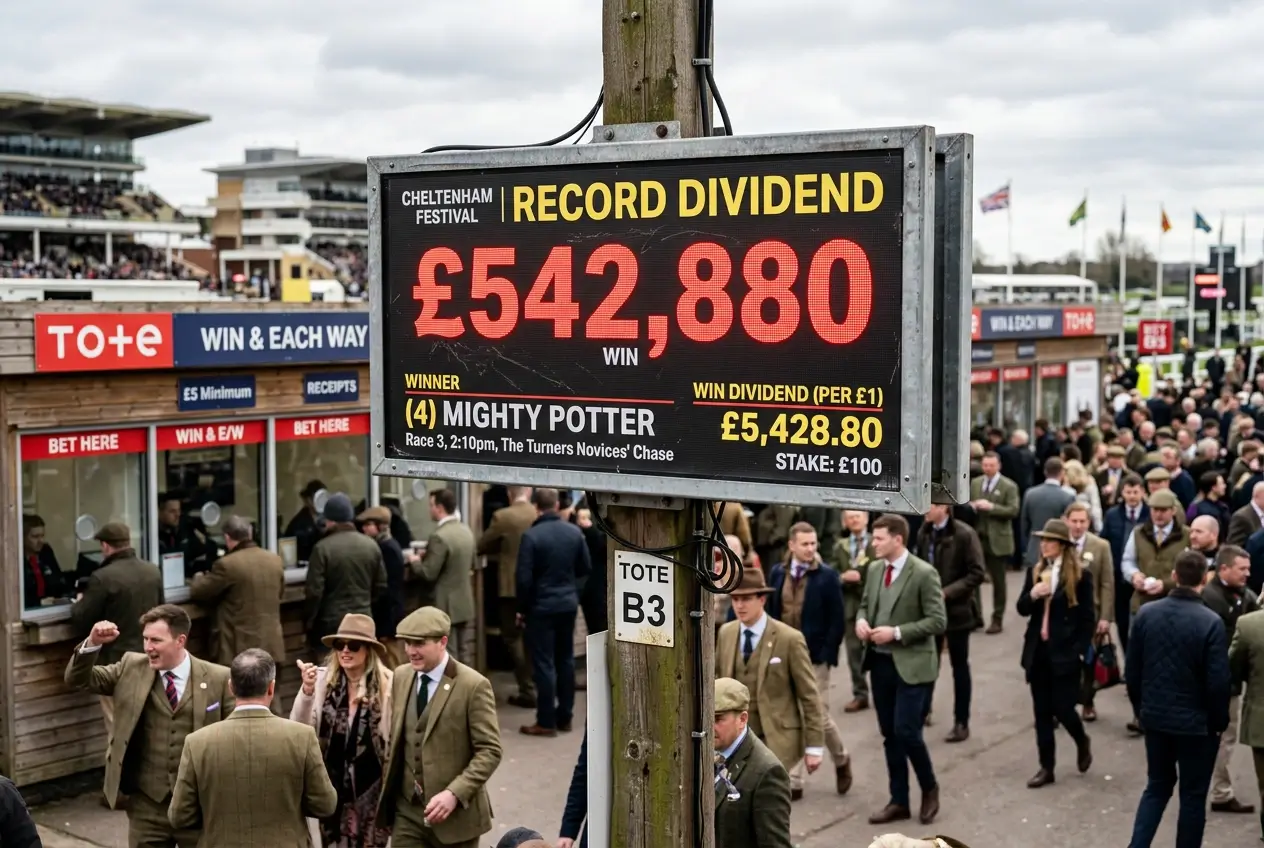
The guaranteed pool structure is one of the Tote Placepot’s most distinctive features. On a standard race day, the Tote guarantees the Placepot pool will be at least £50,000 — meaning that even on a quiet midweek meeting with modest turnover, the minimum dividend pot is substantial. On the biggest racing festivals, that guarantee scales dramatically: the Cheltenham Festival pools run with a £1,000,000 guaranteed minimum each day across all four days of the meeting.
Why does the guarantee matter? Because pool dividends are sensitive to turnover. In a thin pool with low ticket volume, a result that eliminates most tickets will produce a very large dividend — but the pool might also be so small that even a large per-unit figure translates to a modest absolute return. The guarantee floor ensures that punters are always competing for a meaningful pot, which in turn attracts more participation, which further inflates the pool above the guarantee. It’s a self-reinforcing dynamic on busy race days.
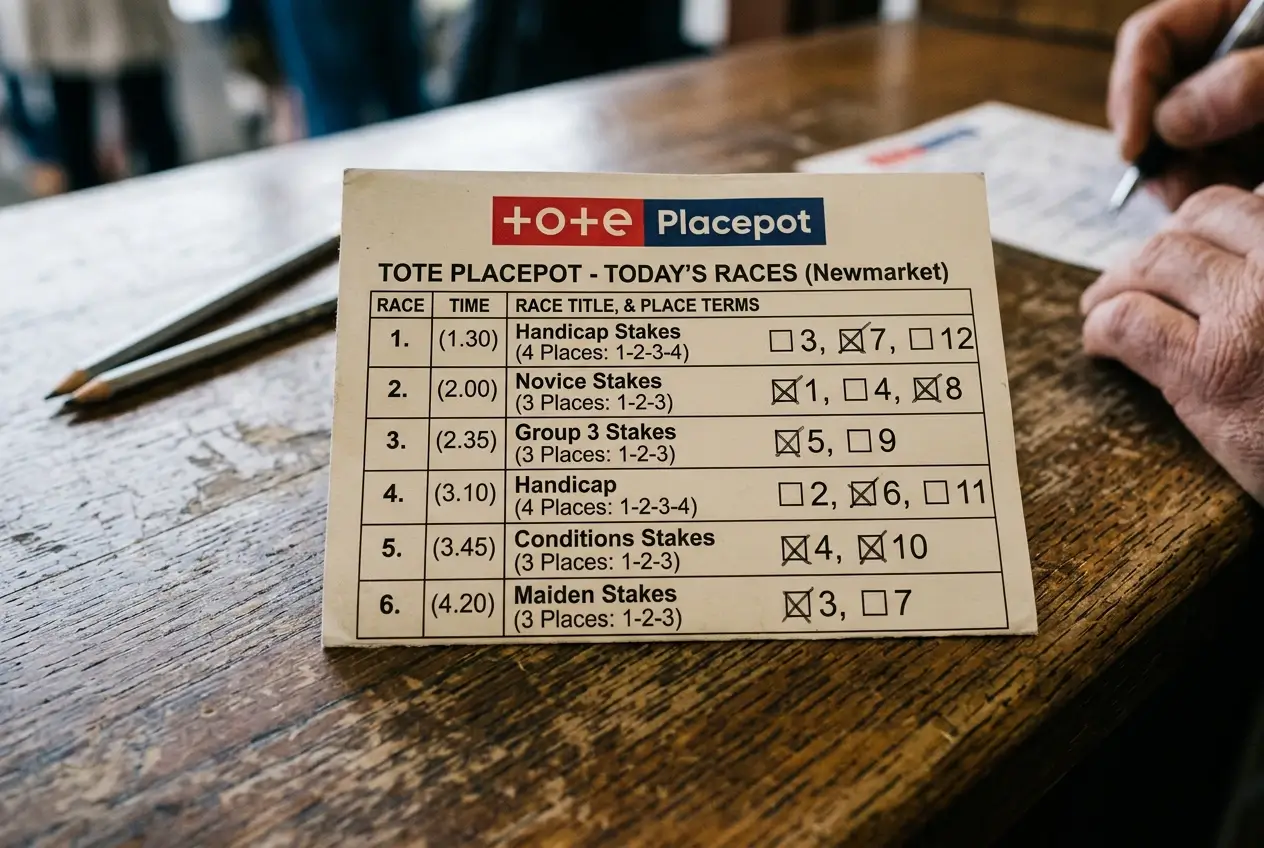
The numbers from major festival days illustrate the scale. At Cheltenham Festival 2024, the Tote guaranteed at least £1,000,000 in the Placepot pool across all four days. The record Cheltenham Placepot dividend stands at £182,568 for a £2 line — achieved in 2019 when a particularly difficult card eliminated nearly every ticket. The five-year average Placepot dividend at Cheltenham exceeds £2,361, which is substantially higher than the average across all UK tracks. As Jon Knapman, International Chief Commercial Officer at Tote, has described it: the pool is “a truly global betting event with fantastic value” — a characterisation that fits the festival pools better than almost any other pool product in British racing.
Placepot perms and cost management
Perming — selecting multiple runners in one or more legs — is the essential tool for managing Placepot cost against coverage. The question is not whether to perm but how to distribute your selections across the six legs to maximise coverage within a budget.
The standard approach is to anchor the legs where one runner looks most likely to place and spread the legs where the form is genuinely open. A field of 20 handicappers in leg 3 with four places paid might justify three or four selections; a five-runner conditions race in leg 1 with a short-priced favourite might justify a single selection. Matching your selections to the difficulty of each leg — rather than spreading evenly or anchoring everywhere — is the core skill in Placepot construction.
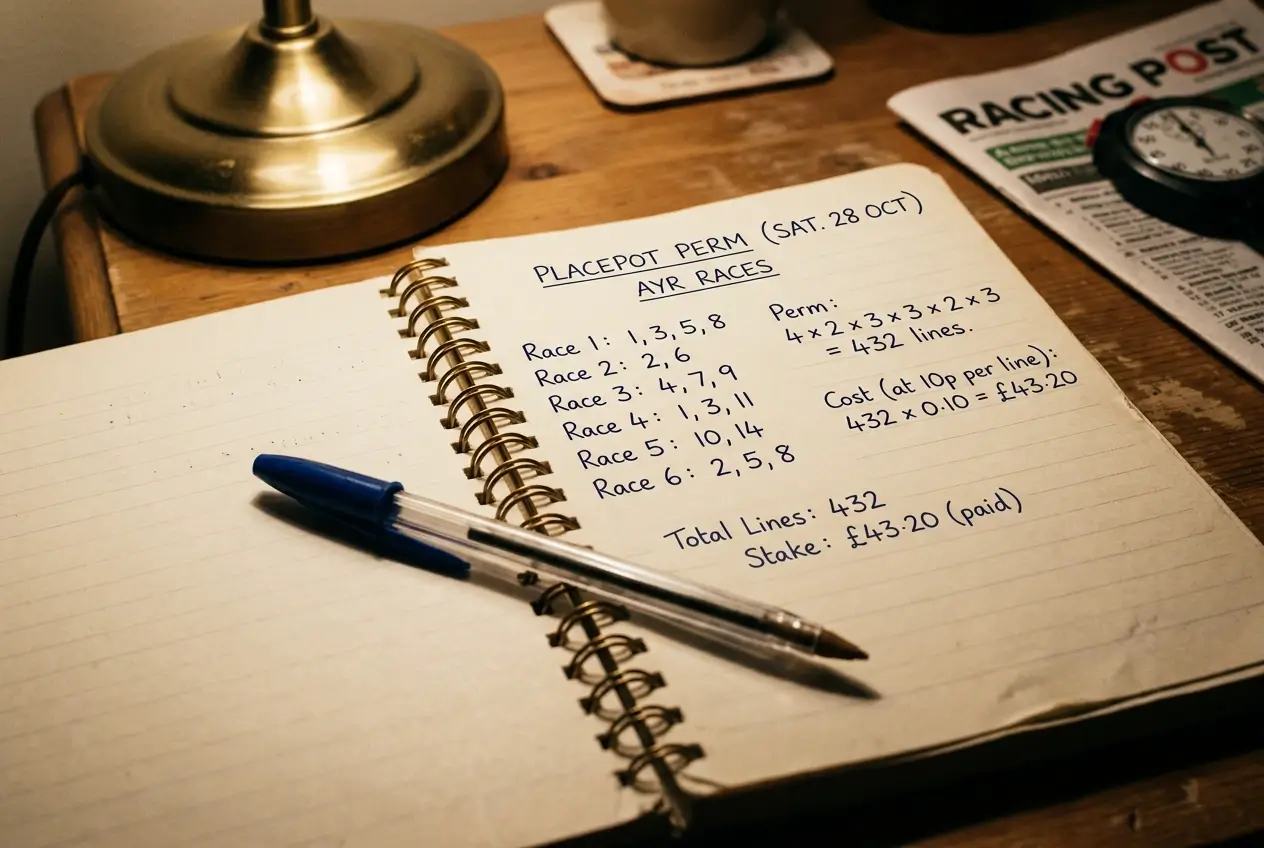
Flexi betting at a percentage rather than a full unit allows you to run a wide coverage structure without the full financial commitment. A ticket covering 64 combinations at 25% flexi costs £32 instead of £128, and if the ticket wins, you receive 25% of whatever the declared dividend is. For large Cheltenham pools where the dividend might run to several hundred pounds per unit, a 25% flexi on a 64-combination ticket is a reasonable structure at a manageable cost.
The combination mechanics for building and costing a Placepot ticket are closely related to the quaddie calculation — the same multiply-per-leg logic applies, just across six legs instead of four. If you want to work through the full arithmetic, the guide to quaddie combination calculation covers the multiply-per-leg method in detail, and the same approach applies directly to the Placepot. The four-leg version of the same idea: the Quadpot.
How many races are in a Placepot?
The Tote Placepot covers the first six races at a meeting. All six legs must produce a placed runner from your selections for the ticket to be a winner. If the meeting has fewer than six races — unusual but possible at smaller venues — the Placepot covers all races on the card.
Do my horses have to win or just place?
They only need to place — finish within the place terms for the race. In races with five to seven runners, place means first or second. In races with eight or more runners, it means first, second or third. In handicaps with 16 or more runners, it extends to first, second, third or fourth. Your horse does not need to win.
Can I perm more than one runner per leg in a Placepot?
Yes, and most experienced Placepot punters do. Selecting two runners in a leg doubles the cost of that leg but significantly improves your survival chances in a wide or unpredictable race. You multiply the selections per leg together to get the total number of combinations, then multiply by the unit stake to get the full cost — or apply a flexi percentage to reduce the outlay.
This material was created by the FourCast team.
Related posts

Quaddie Tips: How to Read, Judge and Use Daily Selections
Pool Betting vs Fixed Odds: Where the Value Evidence Points