Early Quaddie Explained: The Opening Four-Race Pool
 Available in US
The punter who arrives late has already missed the point
There’s a particular kind of frustration that comes from turning up to a race meeting at the halfway point and realising the quaddie you wanted to be part of closed two races ago. I’ve been that punter. The early quaddie operates on its own schedule, covering the opening section of the card, and once those legs are in motion there is no way to join the pool. Understanding what the early quaddie is — and why it exists separately from the main event — is practical knowledge, not trivia. The full picture is in our complete guide to quaddie betting.
An early quaddie is a four-leg pool bet structured around the opening races of a meeting rather than the traditionally designated quaddie races in the middle or back end of the card. The pool is separate from any main quaddie run on the same day. You nominate your selection for each of the four legs, the pool closes before the first of those races starts, and the dividend is declared once all four legs have been run. The mechanics are identical to a standard quaddie — the difference is purely which four races are in play.
In Australian racing, where the product originated, early quaddies typically cover races 1 through 4 at a metropolitan or provincial meeting. The TAB (Totalisator Agency Board) and its successor platforms list them explicitly as a separate pool to the main quaddie, which often runs across races 5, 6, 7 and 8 or similar. Both pools run on the same day, at the same venue, with the same pari-mutuel structure — they just occupy different parts of the card.
Which races make up an early quaddie
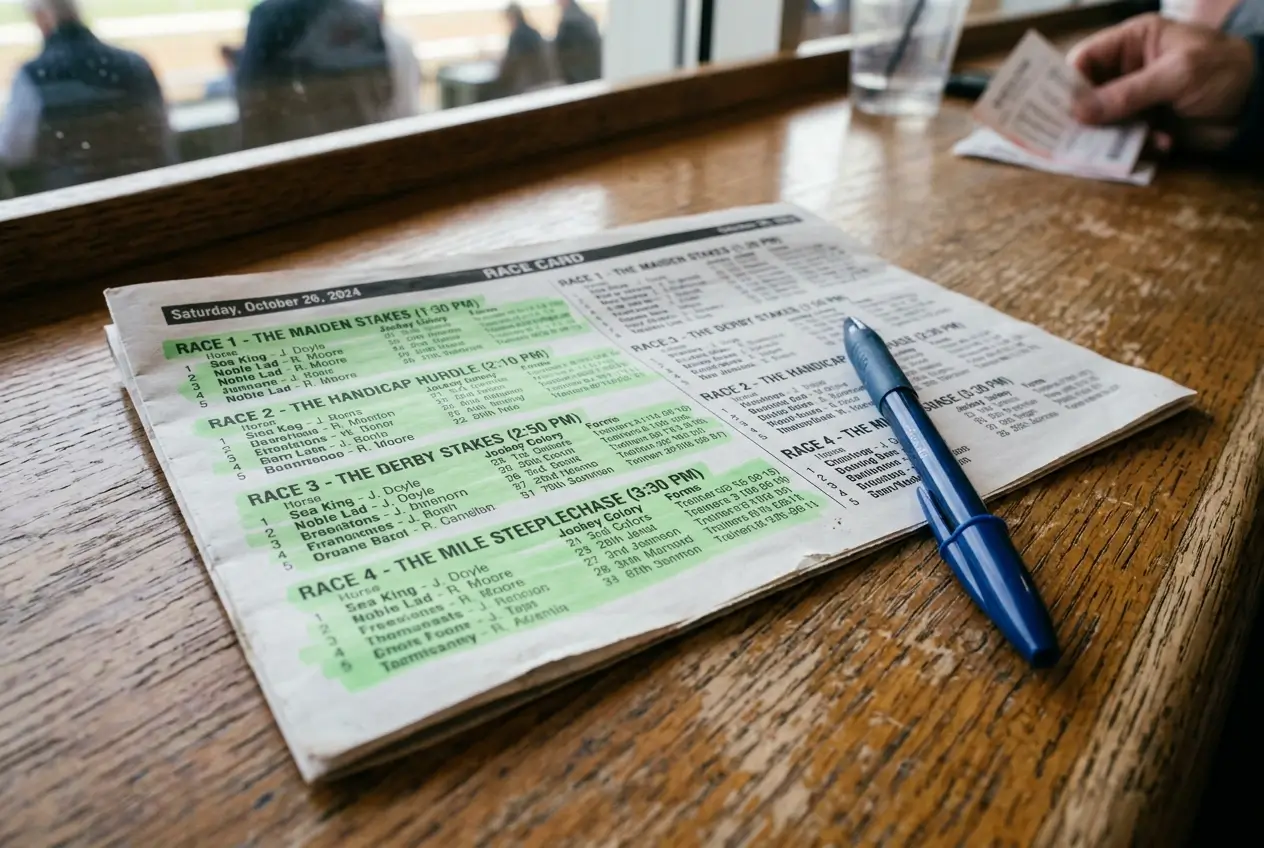
The four races covered by an early quaddie are designated by the racing authority or the pool operator before the meeting. In most Australian metropolitan meetings, this means the first four races on the card. At a provincial or country meeting the nominated races may shift slightly depending on how many races are scheduled, but the “early” framing always points to the front end of the day’s programme.
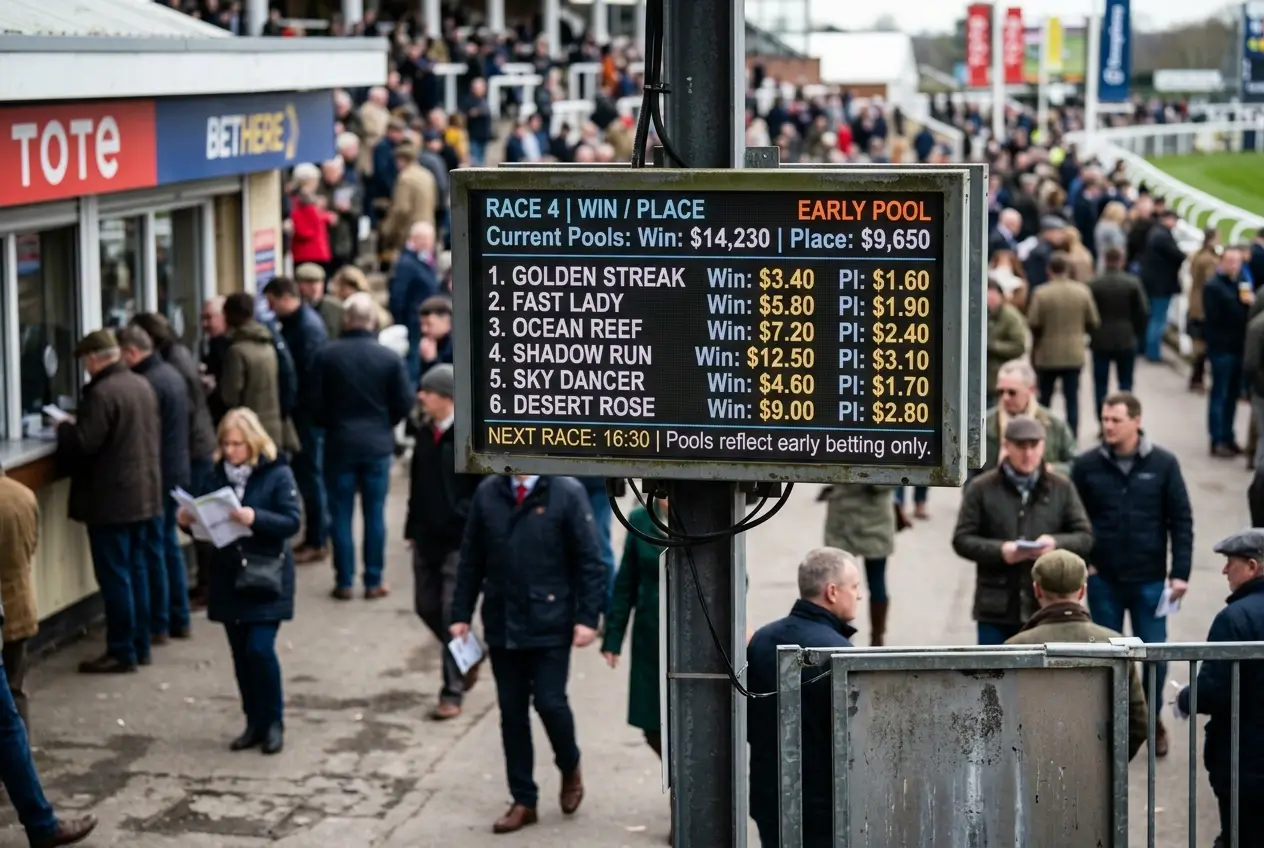
This matters for a practical reason: the early races at any meeting tend to attract smaller fields, less-fancied horses, and lower betting turnover compared to the feature races at the back end of the card. The form can be harder to assess — there are more unknown quantities in an early race at a provincial meeting than in a feature handicap at a major metropolitan track. That combination of limited data and thinner pools creates a different risk-reward profile compared to the main quaddie.
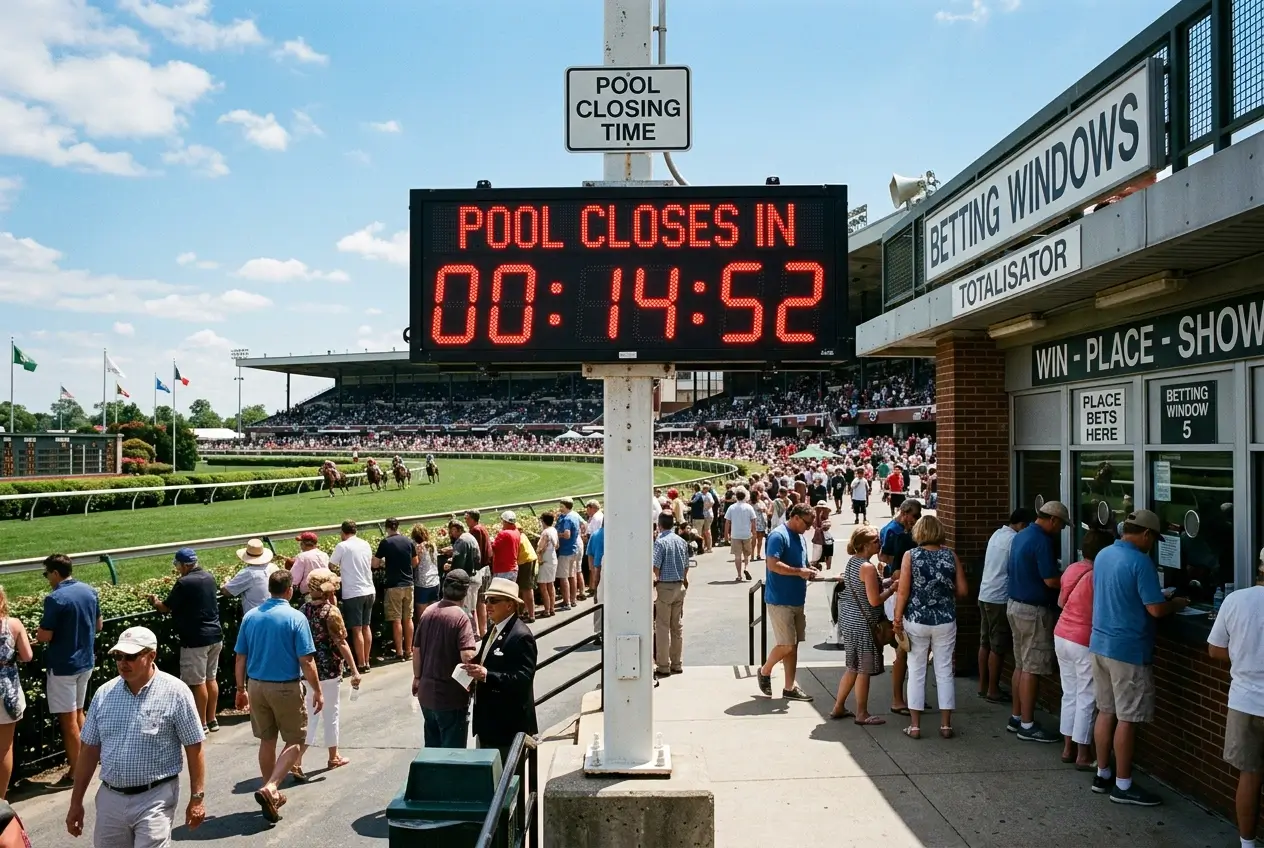
The closing time for bets is fixed to the start of the first early-quaddie leg. Miss that deadline and you cannot enter the pool, no matter how many races remain to be run. This is a basic feature of all pari-mutuel pool bets — once the pool closes, the total is fixed, and late money cannot be added. I have seen punters try to place an early quaddie after race 1 has already gone off, genuinely believing they could still join for races 2, 3 and 4. That is not how it works.

Early quaddie versus the main quaddie
The structural distinction between an early quaddie and the main quaddie at the same meeting is straightforward: they are separate pools covering different races. They share the same bet mechanics, the same flexi-betting options, and the same pari-mutuel dividend calculation — but a winning ticket in one does not interact with the other.
Where the two pools tend to diverge is in pool size and dividend potential. The main quaddie at a major Australian meeting — especially at a Group race card or a big Saturday metropolitan programme — typically attracts significantly more turnover than the early quaddie. More money in the pool means the dividend is more stable; a single longshot winner doesn’t swing the payout as dramatically as it might in a thin early pool.
Conversely, the thinner pool of an early quaddie can produce extreme dividends if a couple of roughies get up. The downside is that carry-over pools don’t apply to early quaddies in the same way they might to a Jackpot-style product — the early quaddie must be settled on the day. If nobody holds a winning ticket across all four legs, consolation dividends may apply depending on the operator’s rules, but the pool doesn’t roll forward to the following meeting.
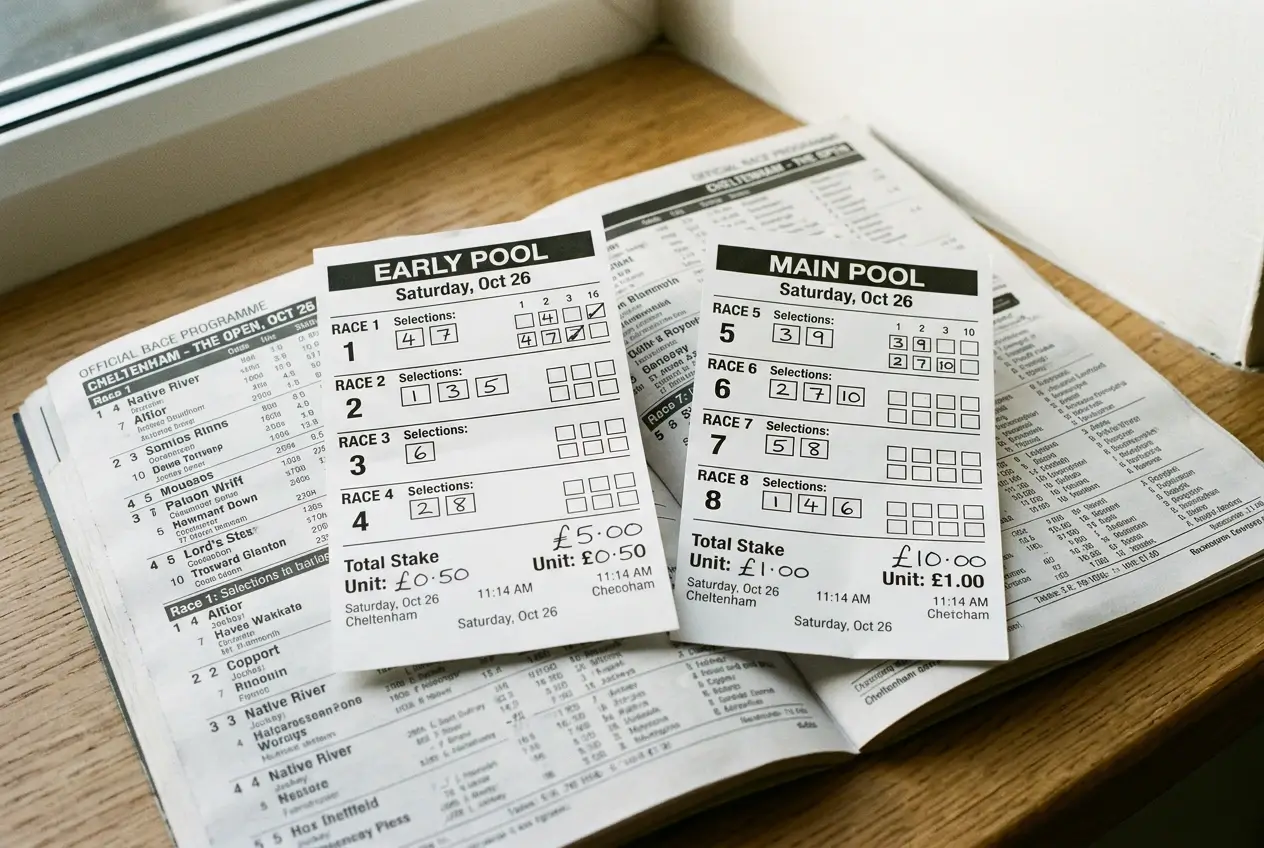
The strategic implication is that betting an early quaddie requires accepting a different kind of uncertainty. You’re working with less public form data, a smaller pool of competing money, and a product that sits outside the main event of the day. Some punters treat that as an opportunity — thinner pools mean less efficient pricing, and a well-researched early quaddie can occasionally deliver outsized returns. Others prefer the liquidity and the richer form study available for the main quaddie races.
Why bet an early quaddie at all
The honest answer is that for many punters, the early quaddie is simply a way to extend engagement across a full race day. If you’re going to be at the track or watching the races from race 1 anyway, having a stake in the opening four races adds interest to the part of the card that would otherwise be background noise. That’s a legitimate reason, and the racing industry knows it — early quaddies exist partly because punters want something to follow from the first race, not just the headline events.
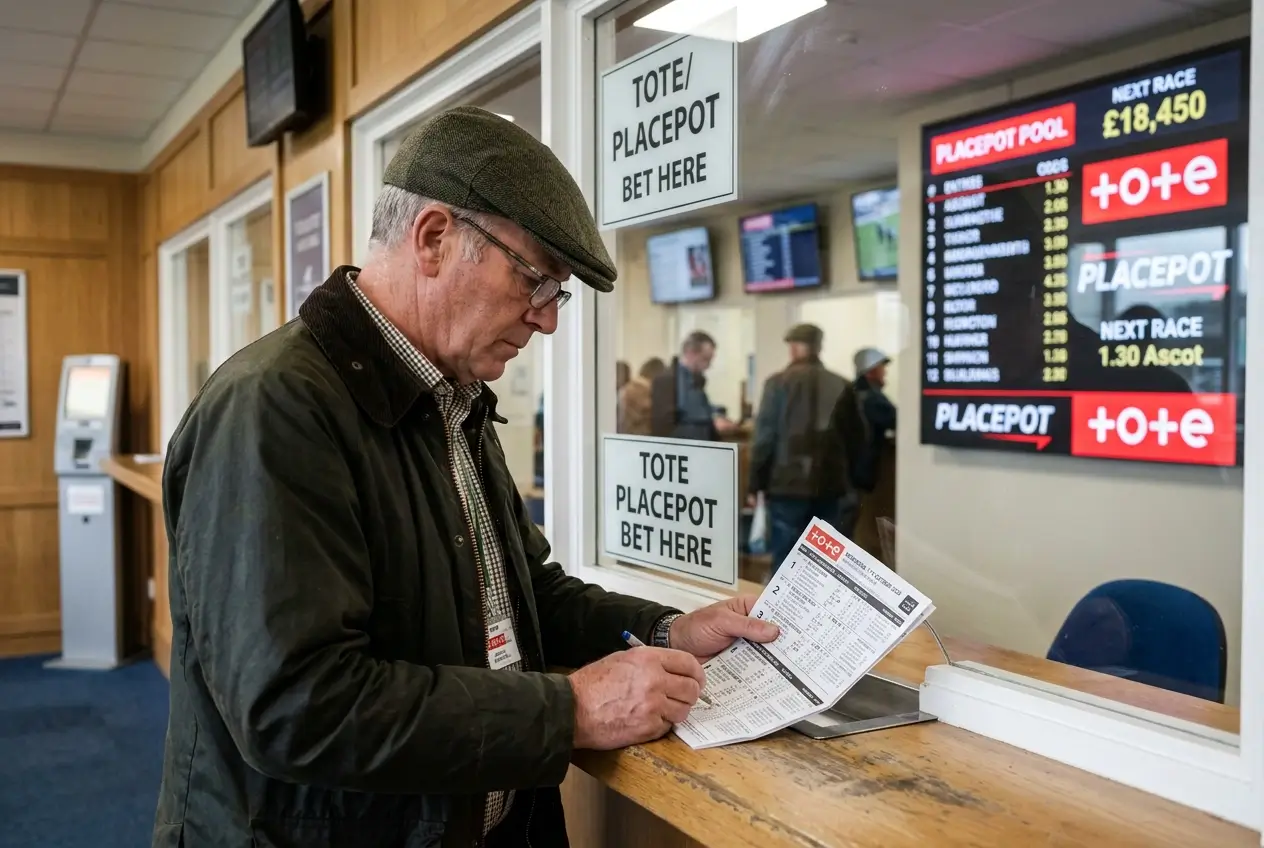
Beyond pure entertainment, there is a structural argument for early quaddies. Pool betting products like the Tote Placepot in the UK guarantee minimum pool sizes on major race days — £50,000 for a standard daily Placepot, rising to £1,000,000 on the biggest festival days. Australian operators apply similar mechanics to their quaddie pools on major cards, but early quaddies rarely attract guaranteed minimums. That makes them more volatile but also potentially more generous when form plays out in unexpected directions.
For British punters specifically, the early quaddie is largely an Australian concept. The Tote product lineup in the UK — Quadpot, Placepot, Jackpot, Scoop6 — doesn’t include a product explicitly labelled as an “early” variant. The Placepot runs across the first six races of the card, which covers a similar portion of the day, but it asks for placed runners rather than winners and doesn’t have a parallel “main” pool running alongside it. If you’re interested in how the terminating pool mechanic works when an early quaddie runs on a must-pay basis, the terminating quaddie guide explains the payout rules in detail. Costing either pool: how to calculate a quaddie.
Which races make up an early quaddie?
An early quaddie typically covers the first four races of a race meeting, as designated by the pool operator before the day. At most Australian metropolitan meetings this means races 1 through 4, though the exact races vary by venue and card length. The nominated legs are always published in advance alongside the main quaddie legs.
Can you bet both an early quaddie and a main quaddie on the same day?
Yes. The early quaddie and the main quaddie are separate pools at the same meeting, and you can hold tickets in both simultaneously. Winning one does not affect your stake or return in the other. You simply need to enter each pool before its respective closing time — the first leg of the early quaddie and the first leg of the main quaddie respectively.
Does an early quaddie have its own separate pool?
It does. The early quaddie pool is entirely independent of the main quaddie pool run on the same day. The two pools collect separate turnover, declare separate dividends, and pay out to different sets of winning tickets. There is no commingling between the early and main quaddie pools at the same meeting.
This material was created by the FourCast team.
Related posts

Quaddie Tips: How to Read, Judge and Use Daily Selections
Pool Betting vs Fixed Odds: Where the Value Evidence Points