
Terminating Quaddie Explained: When the Pool Must Be Paid Out
 Available in US
The quaddie that cannot be postponed
One of the stranger experiences in pool betting is watching a race-day quaddie pool carry over to the following week with nobody to claim it — the dividend sits there, accumulating, waiting for a set of four winners that might not land until the pool has grown to an eye-watering size. The terminating quaddie is the opposite of that. It’s a pool with a rule built in: the money goes out today, regardless of how the results fall. That single constraint changes everything about how you approach it. The full picture is in our complete guide to quaddie betting.
A terminating quaddie is a four-leg pari-mutuel pool bet that must be paid out in full on the day it runs. There is no carry-over provision. If at least one ticket holds all four correct winners, those tickets share the net pool in the normal way. If nobody picks all four winners — which happens more often than you might expect on a competitive card — the pool is distributed as a consolation dividend, paid down to the best partial result achieved by any ticket in the pool.
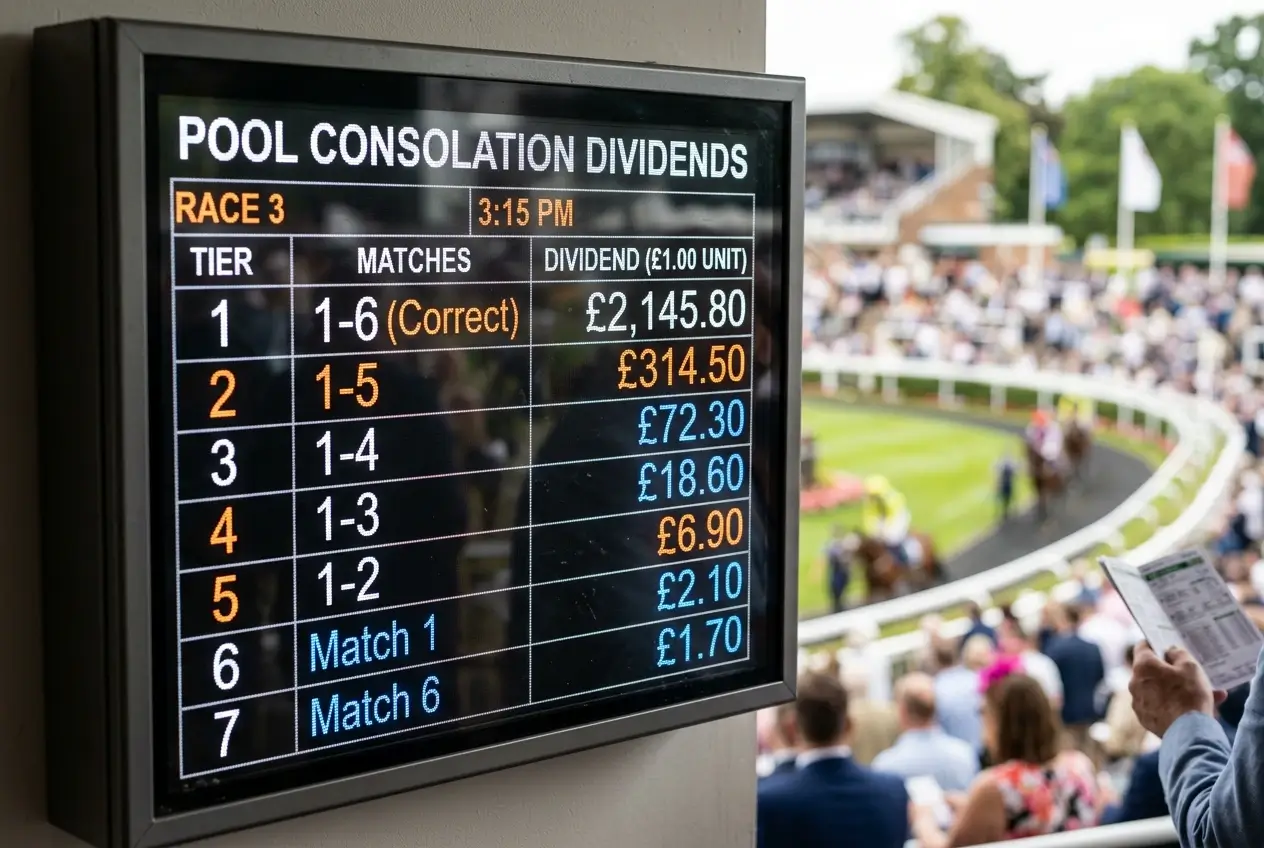
The term “terminating” distinguishes this format from rollover or jackpot-style quaddie pools, where an undistributed pool carries forward to increase the prize at a future meeting. In a terminating product, the pool terminates — ends — on the day. The operator doesn’t hold money overnight. What came in goes out.
What terminating means for the pool mechanics
The consolation dividend structure is the most important thing to understand about a terminating quaddie. When no ticket holds all four winners, the pool doesn’t simply disappear — it gets paid to the tickets that came closest. The typical consolation tier starts at “three from four”: any ticket that correctly selected three of the four winners shares a portion of the net pool. If nobody even managed three from four, the consolation drops further to two from four, and so on down the ladder until the pool is fully distributed.
The exact consolation rules vary between operators, but the principle is consistent: the pool must be paid out completely on the day. This has a counterintuitive effect on strategy. In a standard quaddie, your only paying outcome is all four winners. In a terminating quaddie, there’s a secondary tier — the consolation — that acts as partial insurance against the fourth leg going wrong. That doesn’t mean you’re likely to make money from a consolation payout (the consolation dividend is typically modest compared to the full-house return), but it does mean the bet has a non-zero return probability beyond the all-four-correct scenario.
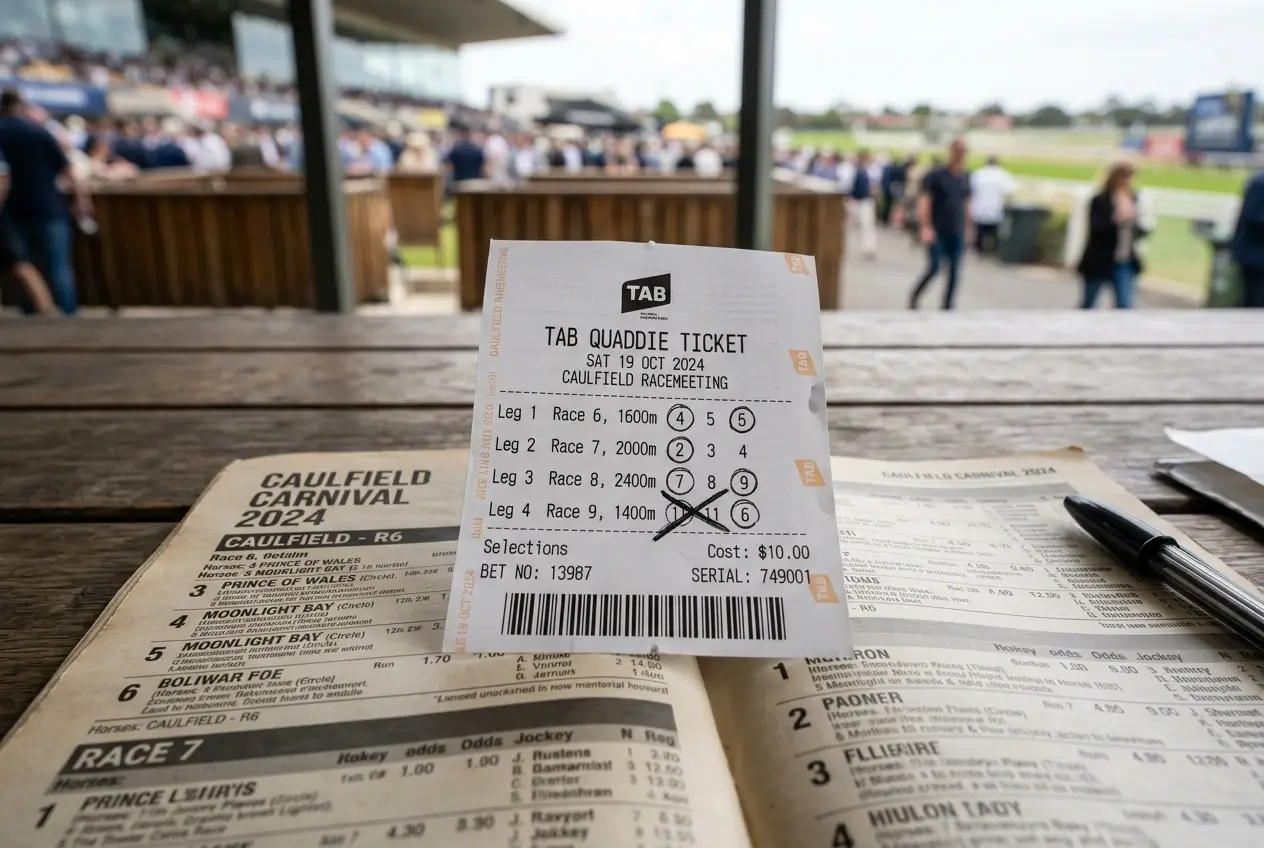
From the operator’s perspective, the terminating structure simplifies administration significantly. Running a jackpot pool that accumulates week over week requires tracking the pool balance, managing payouts when the jackpot is finally claimed, and dealing with the public relations implications of a pool that either grows to an enormous and attention-grabbing size or sits quietly unnoticed for months. A terminating quaddie has none of those complications. Every meeting, the pool opens, fills, closes, and pays. Clean and straightforward.
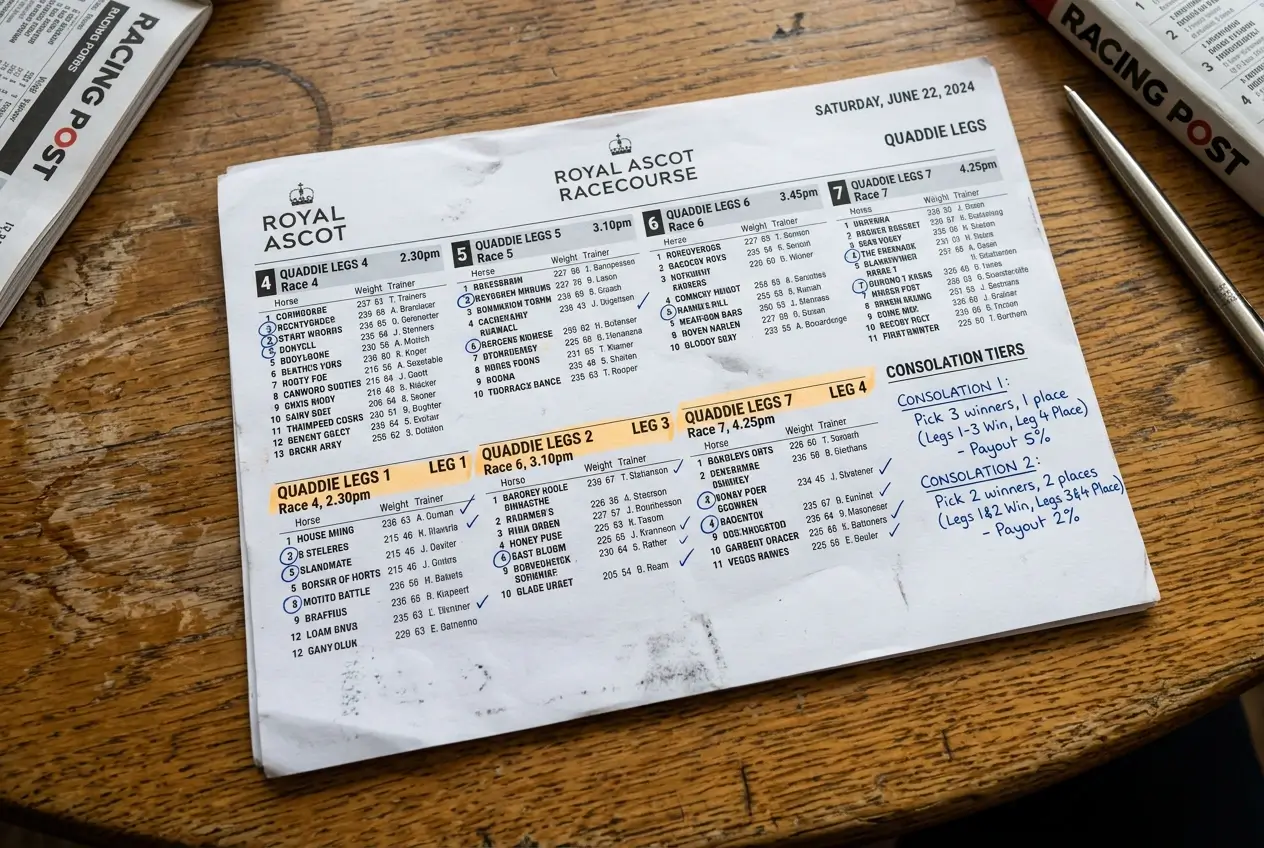
Consolation dividends — how they work in practice
The consolation dividend is, bluntly, the fallback payment. It’s not designed to make you whole — if you picked three of four winners and the fourth leg was won by a 50-1 shot that virtually nobody backed, your consolation return might be less than your original outlay. The consolation exists to fulfil the terminating rule, not to reward near-misses generously.
That said, consolation dividends can occasionally be substantial. If a race card produces a series of unexpected results — several roughies winning, mainstream form thrown — it’s possible that very few tickets hold even three of the four correct selections. In that scenario, the consolation pool is divided among a small number of winning consolation tickets, and the per-unit return can be reasonable. I’ve seen three-from-four consolation dividends that outpaid what the full four-from-four dividend would have been on a more predictable card.
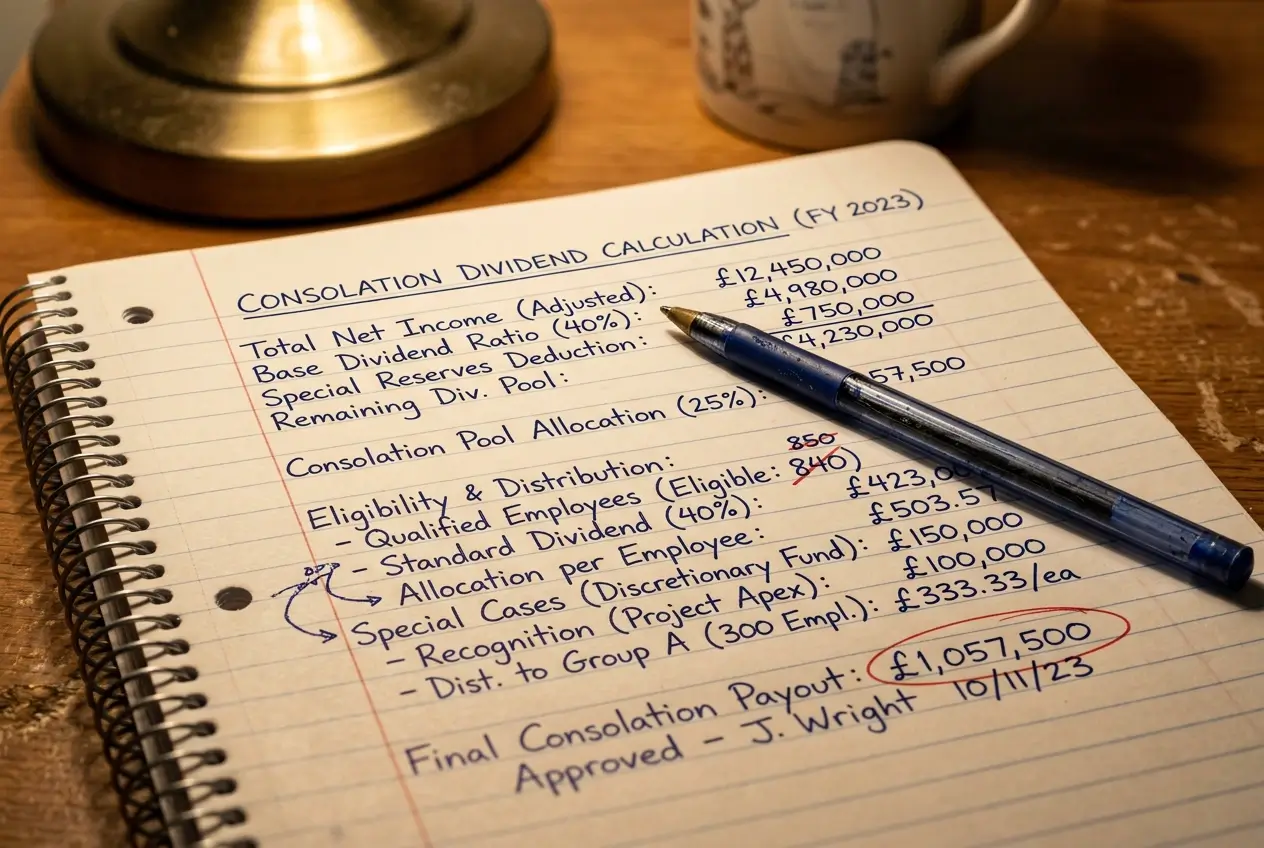
The maths of consolation tiers work differently to the main dividend calculation. Typically, the net pool is split in a fixed proportion between the full-dividend tier and the consolation tier — so not all of the pool goes to consolation winners. The specific split ratios are operator-defined and published in the pool rules, which are worth reading if you intend to bet seriously on terminating pools. Knowing whether the consolation tier gets 20% or 40% of the net pool changes the expected return calculation meaningfully.
Terminating versus carry-over — a genuine strategic difference
The decision between a terminating and a carry-over pool is not just structural — it has practical betting implications. A carry-over pool accumulates value from previous meetings where no winning ticket was held. Walking into a meeting with a quaddie pool that has rolled over three times means you’re competing for a prize that includes money from three previous cards. That’s a genuine reason to engage more aggressively — more combinations, wider coverage, perhaps a larger flexi percentage — because the prize pot justifies the extra spend.
A terminating quaddie doesn’t offer that dynamic. The pool contains only the current meeting’s turnover, potentially supplemented by an operator guarantee if it’s a turbo product. You know roughly how big the prize will be before you place the bet, based on historical pool sizes for that meeting. There’s no “jackpot moment” where a large rolling pool suddenly becomes available — it’s simply this meeting’s pool, distributed today. The opposite outcome: what a rollover does.
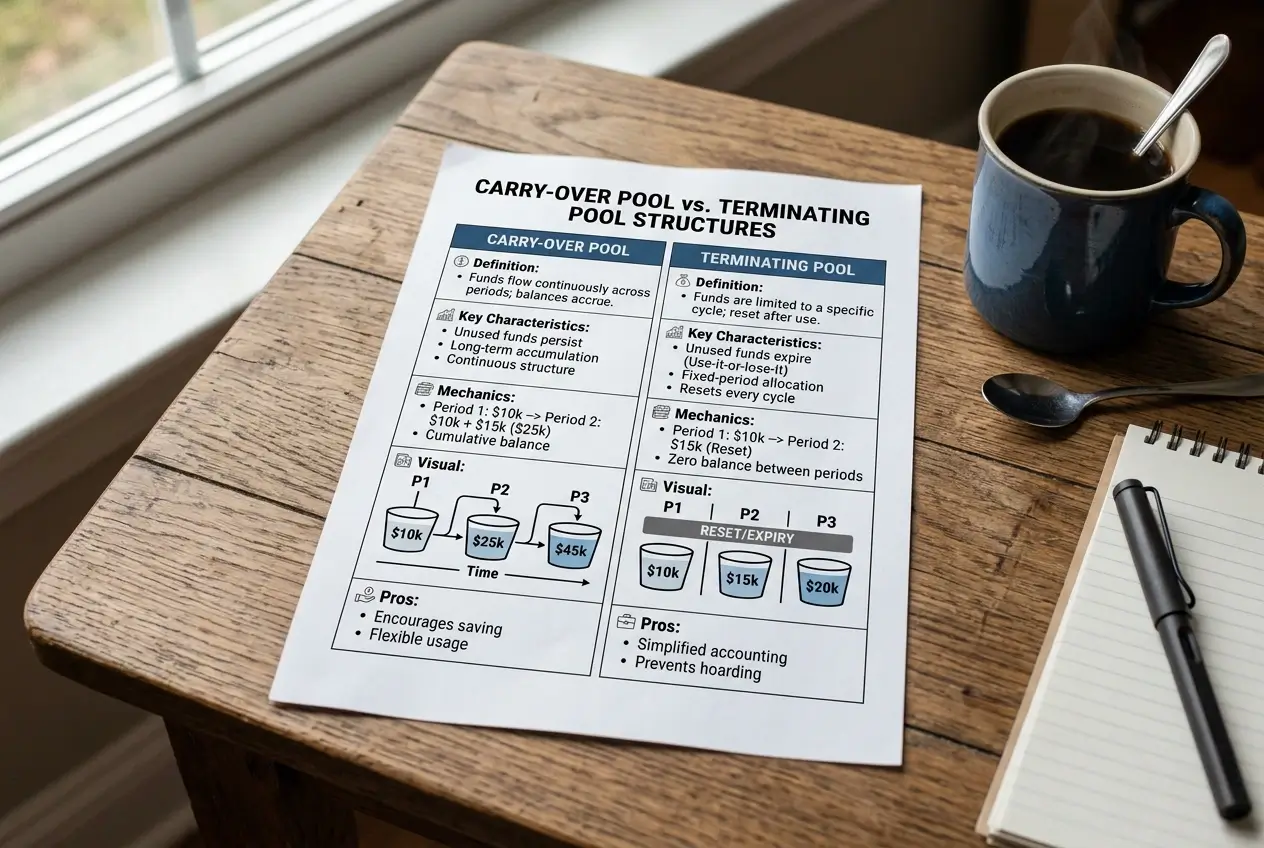
For punters who prefer predictability — knowing the approximate prize pool and planning coverage accordingly — the terminating structure is actually more transparent. You’re not chasing an uncertain carryover that might be claimed by another punter before the legs even start. You’re betting on a self-contained, one-day event.
British pool betting products handle this differently. The Tote Jackpot is a carry-over product — if nobody holds all the winning selections, the undistributed pool rolls forward to the following designated meeting. The Placepot, by contrast, pays out on the day regardless of results (by working down through tiers of placed runners), which gives it a terminating character even though it’s structurally different from an Australian quaddie. If you want to understand how that roll-forward mechanic works in the British context, the guide to quaddie rollover and carry-over pools covers the mechanics across both systems.

What happens to a terminating quaddie if nobody picks all four winners?
The pool is distributed as a consolation dividend rather than carrying over. The consolation is typically paid to tickets that correctly selected three of the four winners. If no ticket achieved three from four, the consolation drops to the next tier down. The pool must be fully paid out on the day regardless of how far down the consolation ladder it needs to go.
What is a consolation dividend?
A consolation dividend is the payout made in a terminating quaddie when no ticket holds all four correct winners. A portion of the net pool is distributed among tickets that achieved the best partial result — usually three from four correct. The consolation amount is typically smaller than the full four-from-four dividend would have been, but it ensures the pool is fully distributed on the day.
How is a terminating quaddie different from a rollover?
A terminating quaddie pays out completely on the day it runs — no money carries forward to a future meeting. A rollover (carry-over) pool moves any undistributed pool balance to the next designated meeting, where it supplements the fresh pool. The result is that rollover pools can accumulate to large amounts over time, while terminating pools reset to zero after every meeting.
This material was created by the FourCast team.
Related posts

Quaddie Tips: How to Read, Judge and Use Daily Selections

Pool Betting vs Fixed Odds: Where the Value Evidence Points