
Grand National Placepot: Pool Betting on the Year’s Biggest Card
 Available in US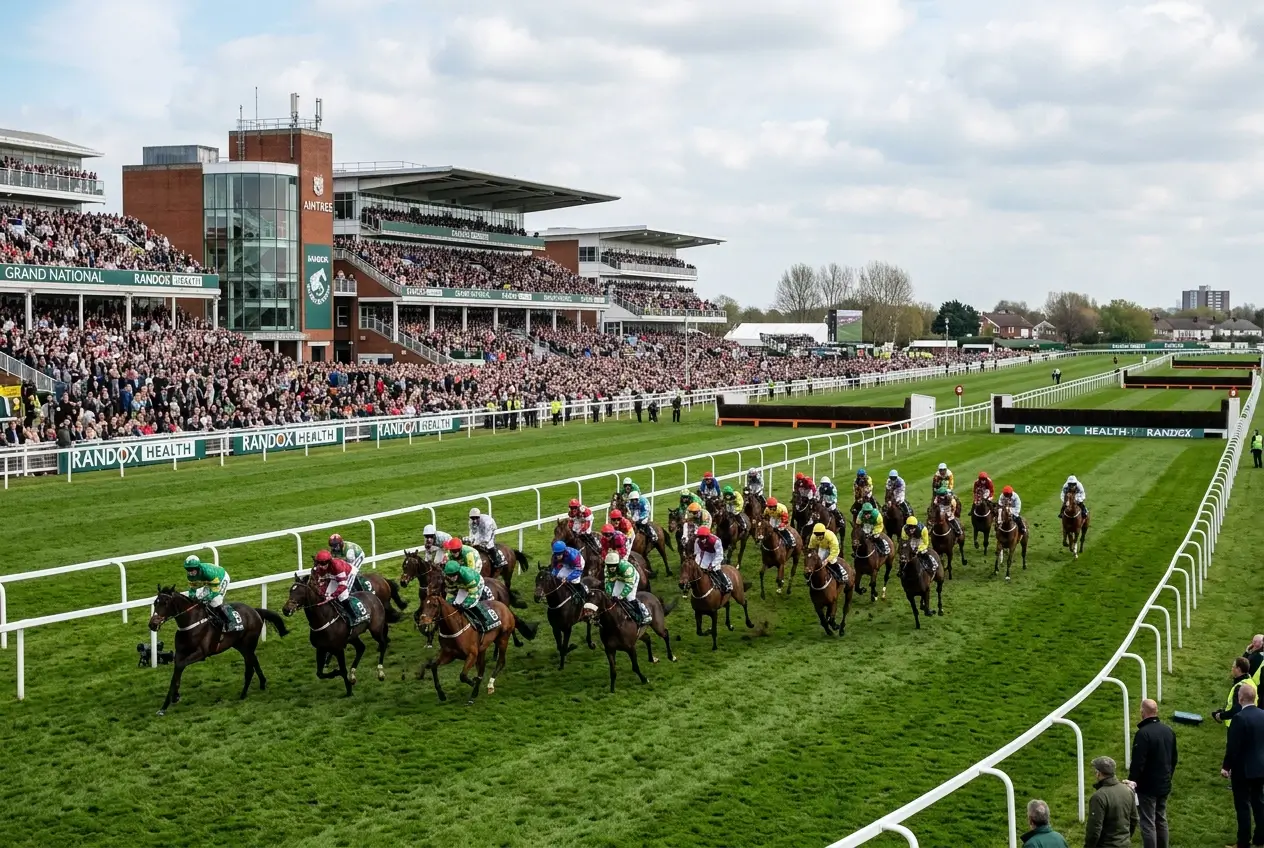
The one day a year when the once-a-decade punter walks to the Tote window

Every year around Grand National day I think about how many people are betting the Placepot who have never placed a pool bet before and never will again until the following April. The National is British horse racing’s single biggest public event — the race that pulls in viewers who haven’t watched a race since the previous year’s National, and punters who normally ignore the Tote window entirely. That annual influx of casual money into the pool products at Aintree on National day changes the character of the pools in ways that experienced punters need to account for. The full picture is in our complete guide to quaddie betting.
The Tote Placepot on Grand National day benefits from this one-day surge in participation. The guaranteed minimum pool — £50,000 on a standard day — is likely to be substantially exceeded by natural turnover at Aintree across the three-day festival, with National day attracting the largest share. That swelled pool creates a different dividend structure than you’d see on an ordinary day: more tickets in the pool means more competition for the dividend, but also a larger pot from which survivors benefit. The net effect for the experienced Placepot punter depends on how their coverage structure compares to the consensus view of the casual entrants who dominate the pool on National day.
Why the National card is different
The Grand National meeting at Aintree runs across three days in April, but it’s the National itself — typically on the Saturday — that drives the bulk of the pool betting interest. The card on National day is not the same as a Cheltenham Festival card: it doesn’t have the same depth of internationally recognised Grade 1 horses across every race. But it does have specific characteristics that make the Placepot a distinctive proposition.
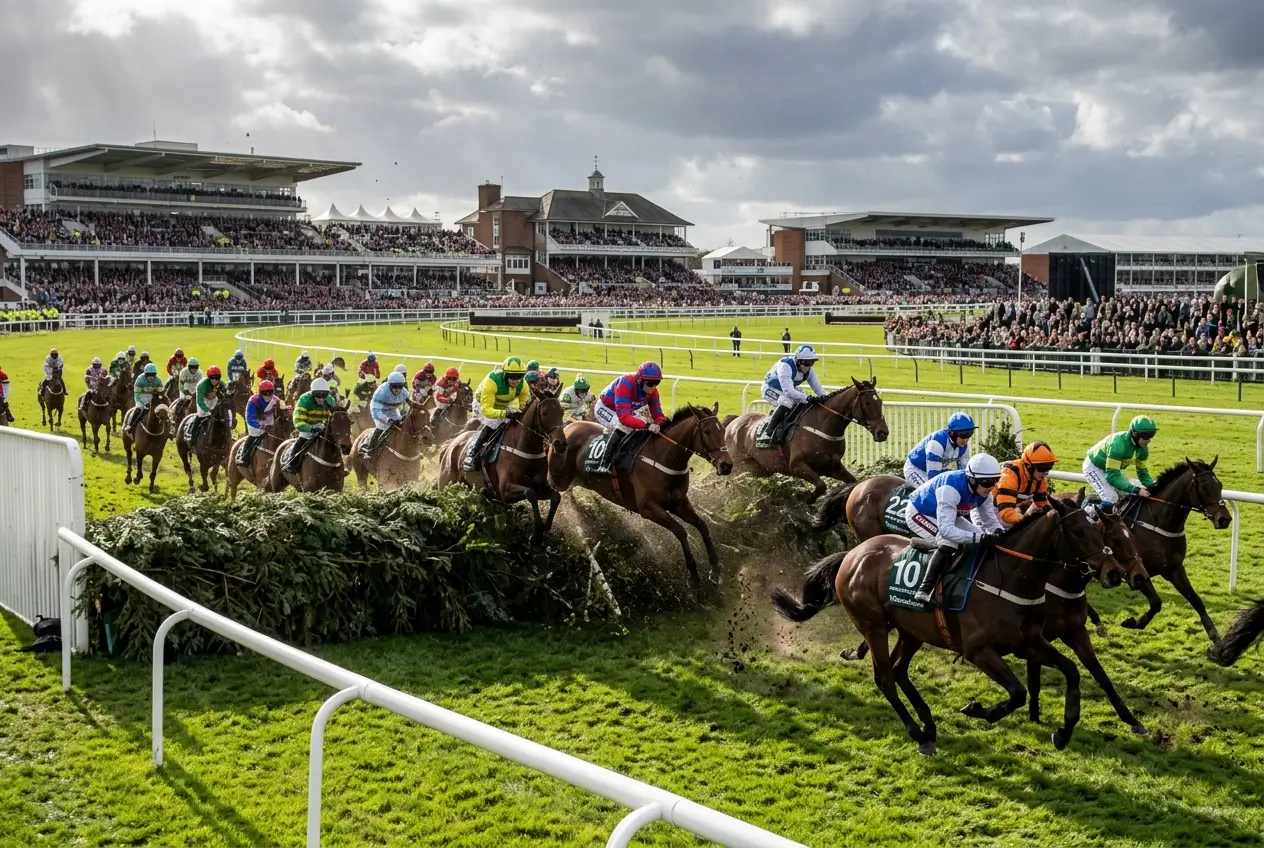
First, the Grand National itself: 40 runners over 4 miles 2 furlongs and 30 fences. This race pays four places under standard place terms, but with 40 runners and the inherent unpredictability of a National field — where finishers from every part of the market regularly appear in the places — predicting four placed finishers from this race is both more complex and more achievable simultaneously. The sheer size of the field means the places contain a wider spread of the market than a typical flat or hurdle race would, which can work in your favour (more runners in the places) or against you (your specific selections might still miss the places in a 40-runner field).
Second, the supporting card at Aintree on National day includes several other competitive handicap races. These are not Cheltenham Festival-quality contests, but they’re competitive enough that casual punters backing media-promoted horses or National-adjacent runners may push the pool in directions that experienced form readers can identify and exploit.
Placepot pools on National day
The pool structure on National day follows standard Placepot mechanics: find a placed runner in the first six races of the card. The National itself may or may not fall within the Placepot legs, depending on where it sits in the race order — at Aintree, the National is typically scheduled later in the afternoon and may fall outside the first six races. When it doesn’t fall within the Placepot legs, the pool is determined by the supporting card, which tends to produce more predictable placed-horse outcomes than the National’s chaotic 40-runner field.
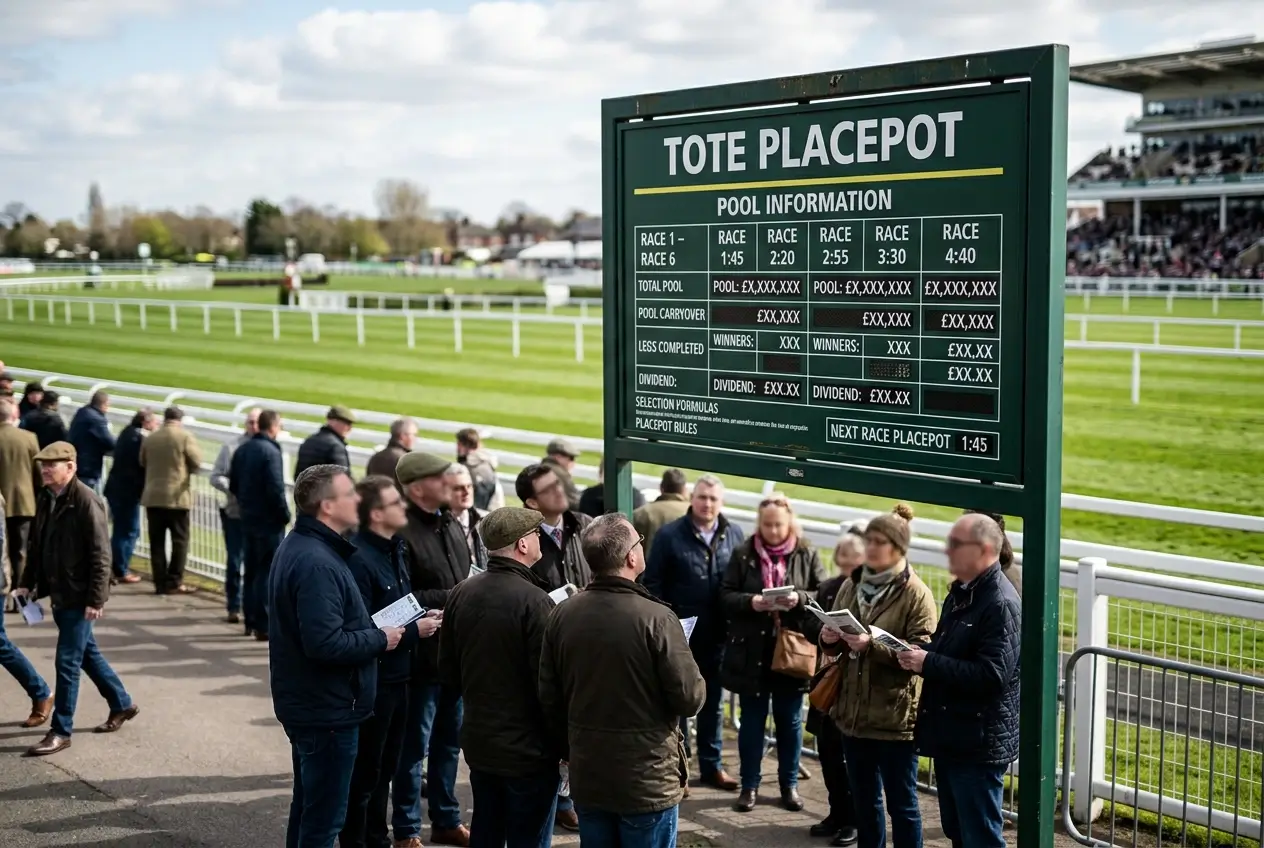
When the National does fall within the Placepot legs — which happens when the card is structured differently — it becomes the most important single leg in the product. A 40-runner field with four places means one in ten runners is paid on, which sounds straightforward but reflects the competitive depth and unpredictability of the race. Spreading three or four selections in a National Placepot leg is rational; anchoring to a single selection in a 40-runner field is a structural risk that even the most confident form reader should think carefully about.
The pool size on National day regularly reaches significant levels as casual punters who only engage with the Tote once a year place their National-day stakes. That turnover inflates the prize but also inflates the number of surviving tickets if the results are straightforward — meaning dividends on easy National-day cards can be modest despite the large pool. The biggest National-day dividends tend to come on years where the supporting card produces unexpected results in the early legs, eliminating the casual punters’ consensus picks early and concentrating the prize among the smaller number of more carefully constructed tickets. For the detailed mechanics of how Placepot pools and dividends are structured, the Tote Placepot guide covers the product in full.
A realistic Aintree approach
The strategic starting point for the Grand National Placepot is to treat the casual-punter influx as a structural variable. More inexperienced money in the pool means the popular horses — media-promoted runners, well-known names — are more heavily represented in the pool’s coverage than their form merits. If those horses place, the dividend is shared widely and is therefore modest. If they fail to place, the tickets holding them are eliminated, leaving the pool concentrated among the more disciplined tickets.
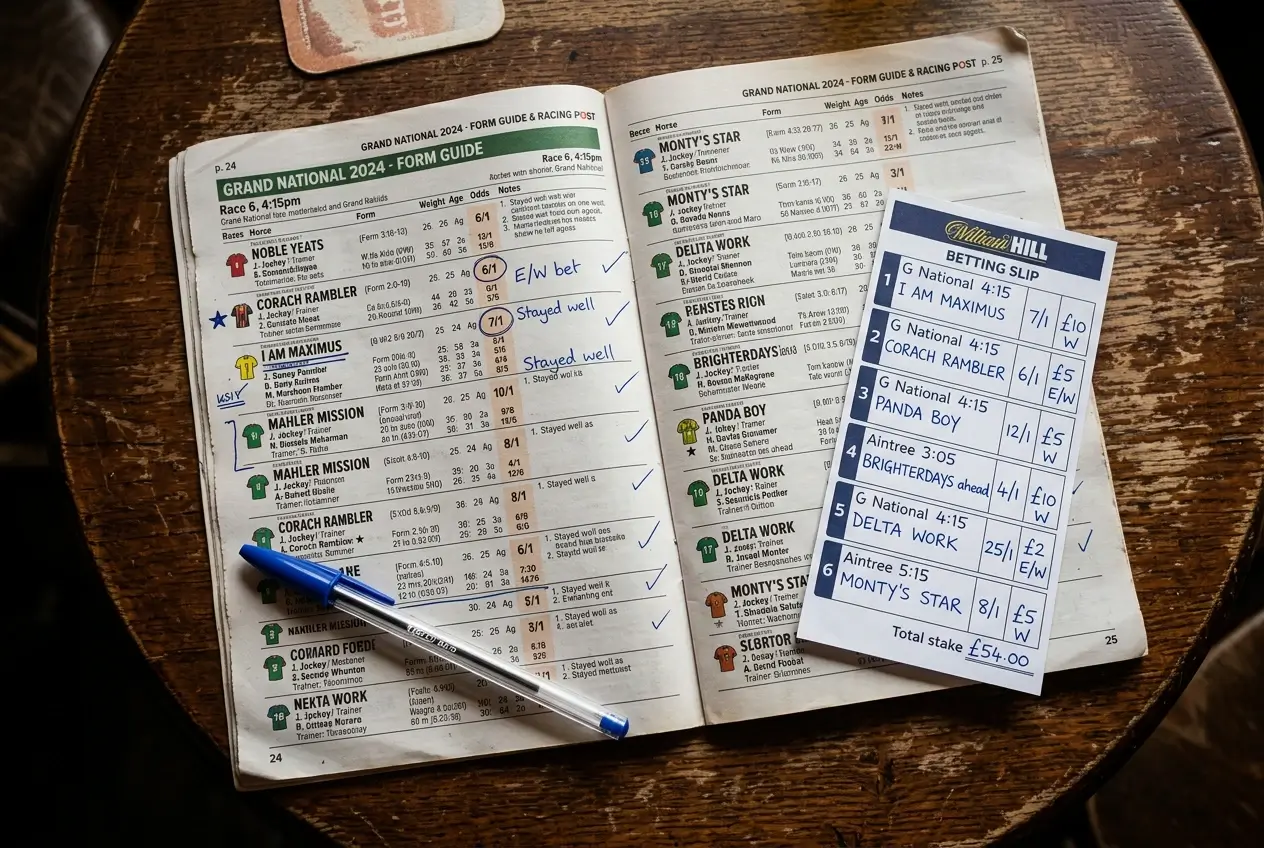
This creates an argument for deliberately under-covering the “obvious” selections in the National-day Placepot legs. If every casual punter in the pool has banked the race-day favourite in leg 3, and your coverage structure also banks the same horse, you’re in the majority position. When the favourite wins, you share the dividend with a large crowd. Taking an alternative selection in that leg — or at minimum including the favourite as one of two runners rather than the single banker — gives your ticket a different survival profile from the consensus.
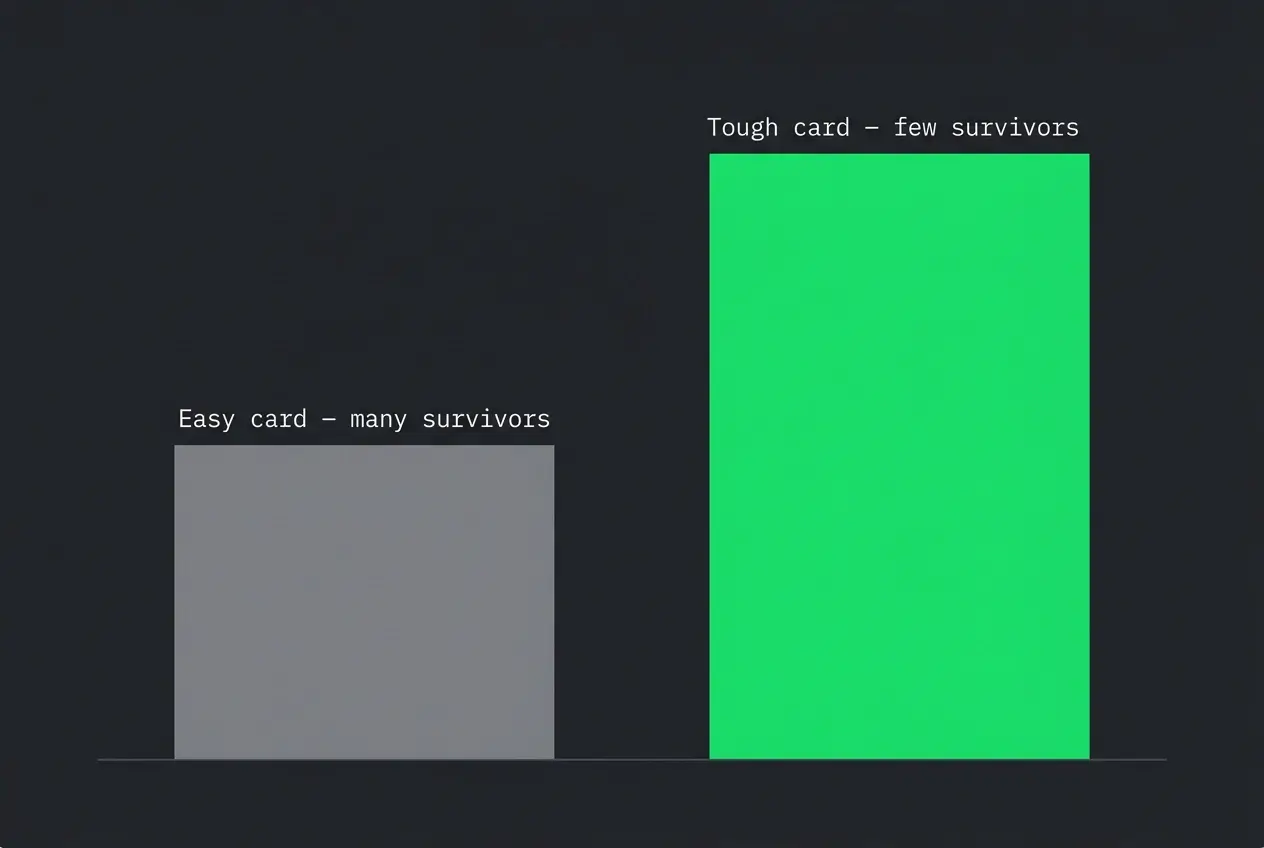
The average Placepot dividend across all UK meetings in 2023 was approximately £466. National-day Placepot dividends can significantly exceed that figure when the card produces unexpected results that eliminate the casual-punter consensus. On straightforward days where the favourites in every leg oblige, National-day dividends can be lower than the UK average despite the larger pool, simply because so many tickets survive. Planning your coverage structure with that dynamic in mind — rather than just maximising your own probability of survival — is the distinguishing approach of an experienced Placepot punter on the biggest public-betting day of the year. The mechanics of the bet: the Tote Placepot.
Can I bet a Placepot on the Grand National card?
Yes. The Tote Placepot runs on the first six races of the card at Aintree on Grand National day, just as it does at every UK meeting. You select a placed runner in each of those six legs. The Grand National itself may or may not fall within the Placepot legs depending on its position in the race order — check the day’s card to see which six races are designated.
How big is the Aintree Placepot pool on National day?
The Tote guarantees a minimum of £50,000 on standard daily Placepot pools. On Grand National day, the natural turnover substantially exceeds that floor due to the one-day surge in casual participation. The Grand National meeting historically produces some of the largest single-day Placepot pools outside of the Cheltenham Festival.
How does the huge National field affect place chances?
The Grand National’s 40-runner field pays four places under standard terms, meaning one in ten runners finishes in the places. The large field increases the range of runners that could legitimately place, but it also increases unpredictability — outsiders regularly appear in the places, and favourites are eliminated by falls and unseated riders. Most experienced punters take at least two or three selections in the National leg of any pool product.
This material was created by the FourCast team.
Related posts

Quaddie Tips: How to Read, Judge and Use Daily Selections
Pool Betting vs Fixed Odds: Where the Value Evidence Points