
Tote Jackpot Explained: Picking the Winners Across the Card
 Available in US
The pool that grows until someone finally cracks it
There is something quietly compelling about watching a Tote Jackpot pool accumulate week over week because nobody has managed to select all the winners on a nominated card. I tracked one in 2023 that rolled over five times before a Haydock card finally produced a claimant. By the time it was won, the pool had swelled to a size that bore no resemblance to what a single meeting’s turnover would normally generate. That is the Jackpot’s core appeal: it rewards persistence and patience with a prize that standard pool products simply cannot replicate. The full picture is in our complete guide to quaddie betting.
The Tote Jackpot requires you to select the winner — not just a placed runner — of the nominated races at a designated meeting. Unlike the Placepot’s six-leg placed-runner structure, the Jackpot asks for outright winners. The number of legs varies: traditionally it covers six nominated races, though some configurations cover four. Every leg must produce a correct winner for your ticket to share the pool. Miss one leg and the ticket is dead, with no consolation structure to soften the blow.
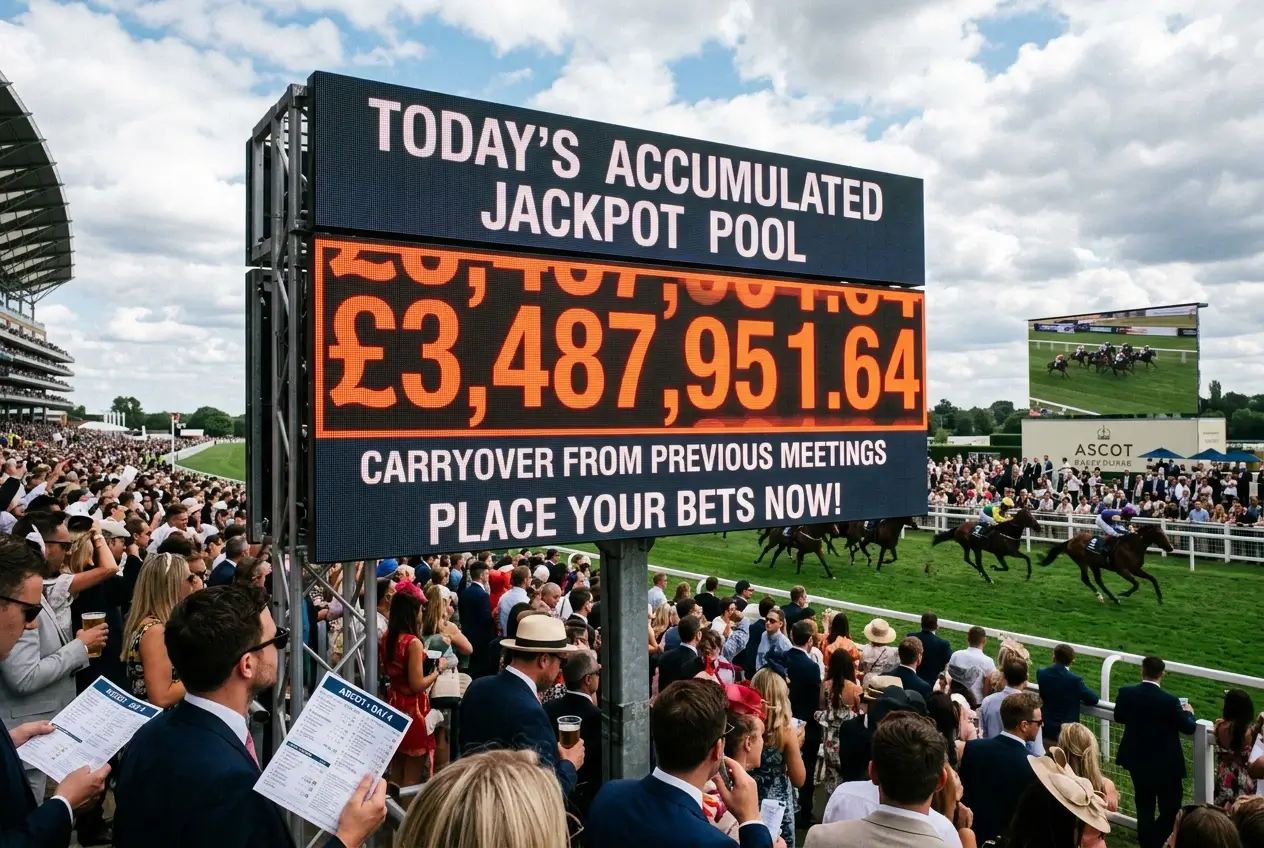
This combination of winner requirement and no-consolation structure makes the Jackpot significantly harder to land than the Placepot. That difficulty is precisely why the pool carries over when unclaimed — and why the jackpotted version of this product can grow to genuinely life-changing figures.
How the Jackpot works
You select your winner or multiple runners in each designated leg before the first race starts. The ticket structure works exactly like a quaddie: multiply the selections per leg together to get your combination count, then multiply by the unit stake to get the cost. A 2x2x2x2x2x2 structure for a six-leg Jackpot produces 64 combinations and costs £64 at a £1 unit. The same flexi betting logic applies — you can take a percentage of the full ticket to reduce cost while maintaining the same coverage structure.
The pool opens before the meeting, closes before the first nominated race starts, and the dividend is declared once all legs are run. If one or more tickets hold all the winning selections, those tickets share the net pool. If no ticket does, the undistributed pool carries over to the next designated Jackpot meeting.
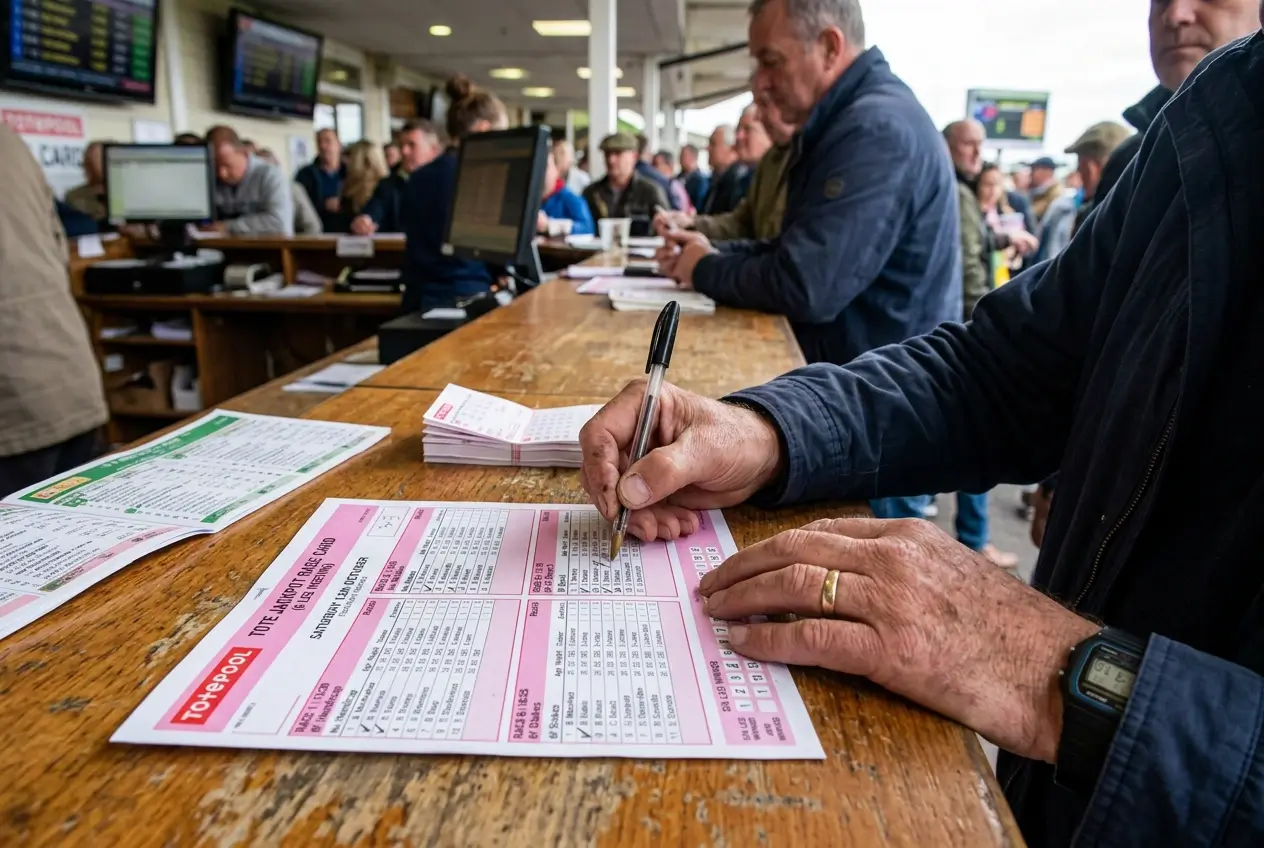
That carry-over is the defining structural feature. The Jackpot is a jackpot in the genuine sense: a prize that accumulates until it’s claimed. The operator adds fresh turnover from each new meeting to the existing rolled-over balance, so the effective pool at any given meeting is the sum of all previous unclaimed pools plus current turnover. On a normal meeting this might be a few thousand pounds. After several rollovers it can reach six figures.
Carry-overs and rollovers — what happens when nobody wins
The carry-over mechanic requires a brief explanation of how the pool accounting works. When a Jackpot is unclaimed, the operator holds the undistributed pool in a designated account — it doesn’t disappear and it doesn’t go into the operator’s revenue. It sits, earmarked for the next Jackpot meeting, where it forms part of the base pool that fresh punter money is added to.
The Jackpot has “must-be-won” days — meetings where the operator designates that the pool will be paid out in full regardless of whether any ticket holds all the correct winners. On a must-be-won day, if nobody gets all the legs right, the pool cascades down through consolation tiers rather than rolling over again. This prevents the pool from rolling indefinitely and gives punters a genuine incentive to enter on a specific day. The must-be-won designation is announced in advance and typically coincides with major race meetings where strong turnover is expected.

For ordinary roll-over meetings, the incentive to enter grows proportionally with the accumulated pool. More money in the pool means a larger per-unit return if you win — but the probability of winning doesn’t change. A 64-combination ticket in a six-leg Jackpot where all six races have eight runners gives you a certain coverage probability regardless of how large the pool has grown. The pool size affects the prize; your coverage affects your probability of winning it.

For a detailed look at how the carry-over and must-be-won mechanics work across different pool formats, the guide to quaddie rollover and carry-over pools covers the mechanics in full.
Jackpot versus the quaddie idea
The Tote Jackpot is the closest UK product to the Australian quaddie in structural terms: it asks for winners across multiple nominated races in a pari-mutuel pool with carry-over provisions. The key differences are the number of legs (typically six for the Jackpot versus four for the quaddie) and the carry-over mechanic. Australian quaddies generally do not accumulate in the same jackpot style as the Tote Jackpot — they reset after each meeting, sometimes with a turbo or guaranteed floor, but without the rolling accumulation.
The Quadpot is the closer UK equivalent to the four-leg structure, but it asks for placed runners in races 3 through 6 rather than winners — a fundamentally different proposition. The Jackpot asks for winners across a full card, which produces a prize structure that can genuinely surprise in scale. It’s a harder bet to land, a larger prize when you do, and a more patient punter’s product — built for the person who is prepared to enter regularly and wait for the conditions to align.

One thing worth noting when comparing the two systems is where the money flows. The Tote has operated in Britain since 1928 — nearly a century of pool betting infrastructure, now operating as the UK Tote Group within a wider network that includes the Britbet partnership with British racecourses. Australian quaddies run through equivalent TAB infrastructure but without the jackpot accumulation mechanic that makes the Tote Jackpot genuinely unique. When a Jackpot pool has been rolling for three or four meetings, the combination of accumulated carryover and fresh turnover can make it the most valuable pool product in the country on that specific day — and that distinction is worth tracking if you’re a regular pool punter. The designated Jackpot meetings are announced on the Tote website and racing press ahead of time, which means there’s no excuse for missing a large accumulated pool if you’re paying attention.
Strategy for the Jackpot follows the same combination logic as every other multi-leg pool product. A wider coverage structure — more runners per leg — improves your probability of holding the winning combination but drives up the cost. On a jackpotted meeting where the prize pool is substantial, spending more on coverage is justifiable. On a fresh pool with modest turnover and no accumulated carryover, the cost-benefit of a wide coverage structure is less compelling. Matching your coverage ambition to the size of the available prize is the kind of proportionate thinking that separates systematic pool punters from those who simply enter the same structure every week regardless of context. The six-race Saturday pool: the Scoop6.

How many winners do I need for the Tote Jackpot?
You need to select the outright winner in every nominated leg — no consolation for near-misses. The standard Jackpot covers six nominated races, though some configurations use four. All legs must produce a correct winner for the ticket to share the pool.
What happens when the Jackpot isn’t won?
The undistributed pool carries over to the next designated Jackpot meeting. It accumulates there alongside new turnover. This continues until the pool is claimed, either by a ticket holding all the correct winners or by a must-be-won day where the pool cascades to consolation tiers rather than rolling over again.
Is the Jackpot the UK version of a quaddie?
Structurally, it’s the closest UK equivalent in that it requires winners across multiple nominated races in a pari-mutuel pool. However, the Jackpot typically covers six legs rather than four, and it carries over when unclaimed — which Australian quaddies generally do not. The Tote Quadpot covers four legs but requires placed runners rather than winners, making it a different type of bet.
This material was created by the FourCast team.
Related posts

Quaddie Tips: How to Read, Judge and Use Daily Selections
Pool Betting vs Fixed Odds: Where the Value Evidence Points